What Is Laser Dentistry?
Laser dentistry involves the use of focused light beams—lasers—to perform a variety of dental treatments. LASER stands for Light Amplification by Stimulated Emission of Radiation. These devices generate a narrow, concentrated beam of light that can remove or reshape tissue with high precision.
There are two main types of dental lasers:
Hard tissue lasers – Used for teeth (e.g., removing decay, shaping enamel)
Soft tissue lasers – Used for gums and other soft tissues (e.g., treating gum disease)
Common Uses of Laser Dentistry
Laser technology is versatile and can be used for both restorative and cosmetic dental procedures, including:
Cavity Detection and Treatment
Lasers can detect early tooth decay and precisely remove decay before filling.
Gum Disease Treatment
Lasers can remove infected gum tissue, kill bacteria, and promote faster healing with less discomfort.
Gum Contouring
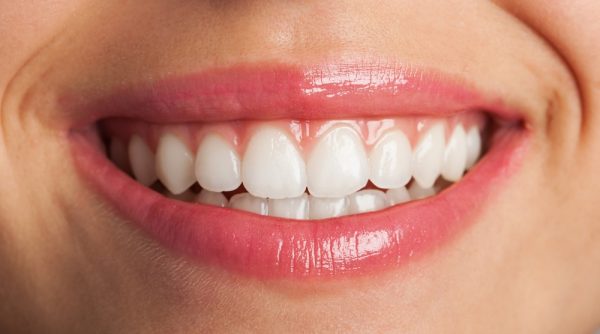
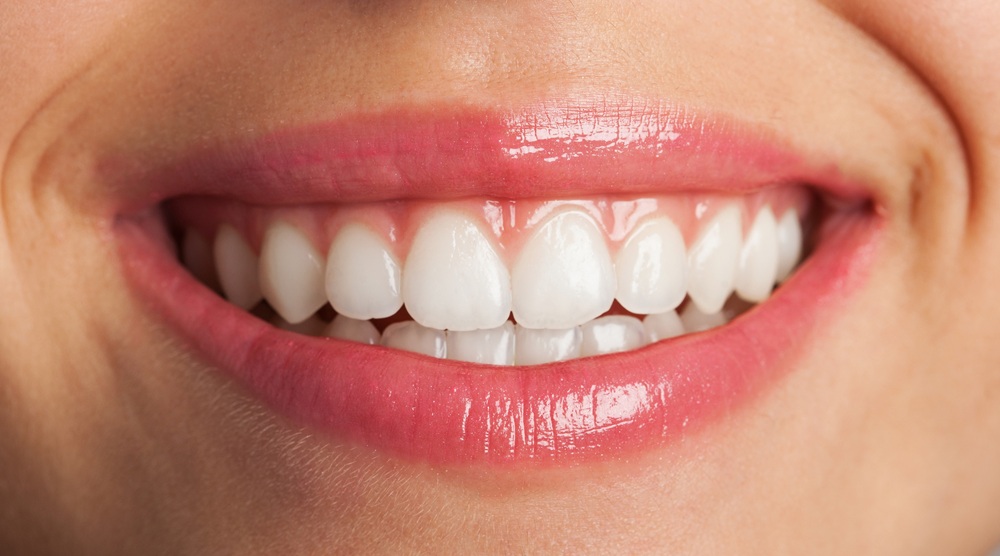
Used in cosmetic procedures to reshape or remove excess gum tissue (a “gummy smile”).
Teeth Whitening
Lasers activate whitening agents faster and more effectively than conventional methods.
Lesion Removal or Biopsies
Lasers can remove soft tissue lesions or take tissue samples for biopsy with minimal bleeding.
Treatment of Tooth Sensitivity
Lasers can seal tubules on the tooth root, reducing sensitivity to hot or cold.
Benefits of Laser Dental Treatment
Minimally Invasive
Laser treatments are less invasive, often eliminating the need for drills or scalpels.
Reduced Pain and Discomfort
Many laser procedures require little or no anesthesia, and patients report less post-treatment pain.
Faster Healing
Laser dentistry promotes faster tissue regeneration and healing with minimal swelling or bleeding.
Precision and Accuracy
Lasers allow dentists to target specific areas with incredible accuracy, preserving healthy tissue.
Lower Risk of Infection
The laser sterilizes as it works, reducing the risk of bacterial infections.
What to Expect During a Laser Dental Procedure
Laser dental treatments are generally comfortable and quick. Here’s what you can typically expect:
A local anesthetic may or may not be needed.
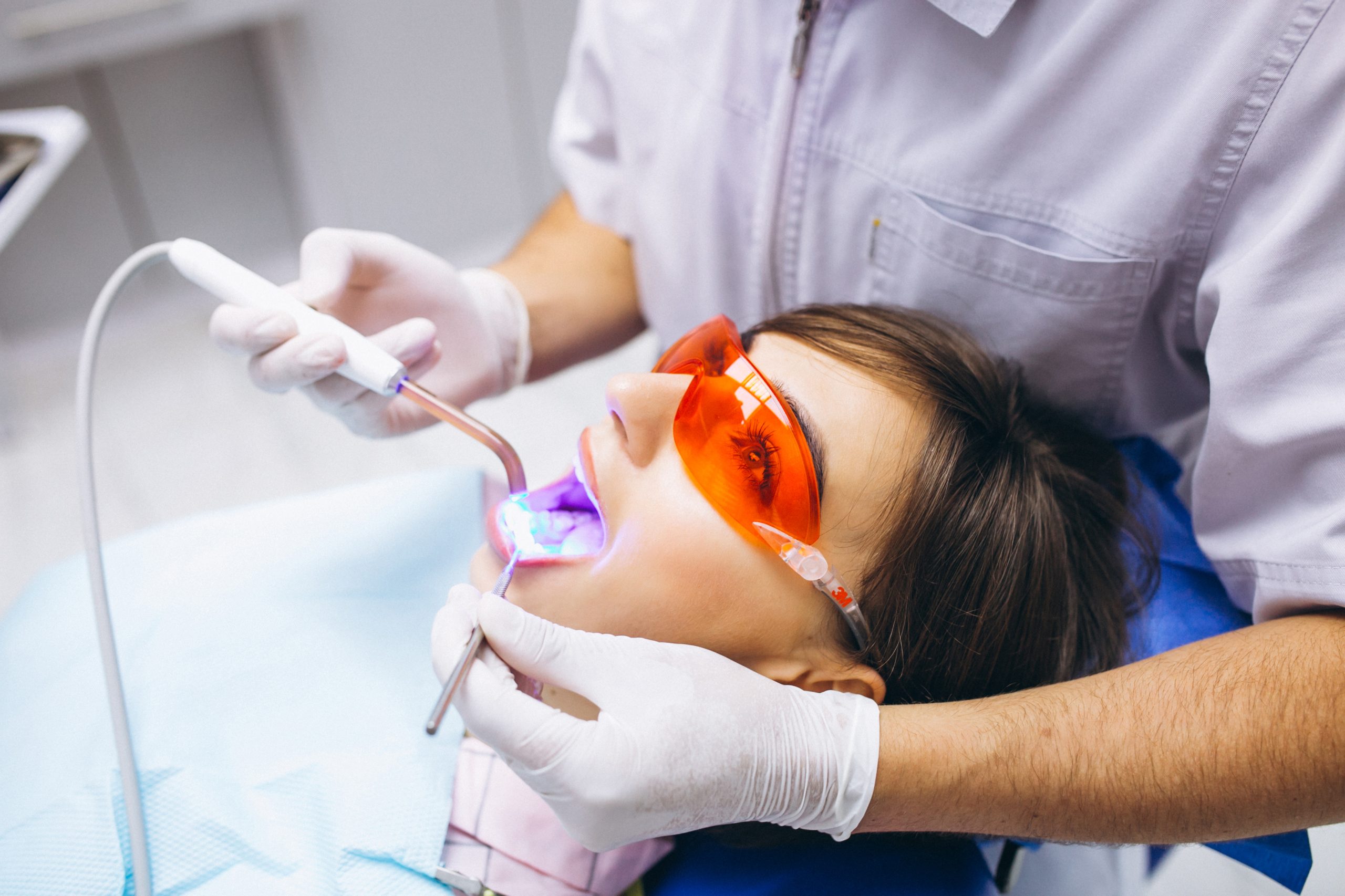
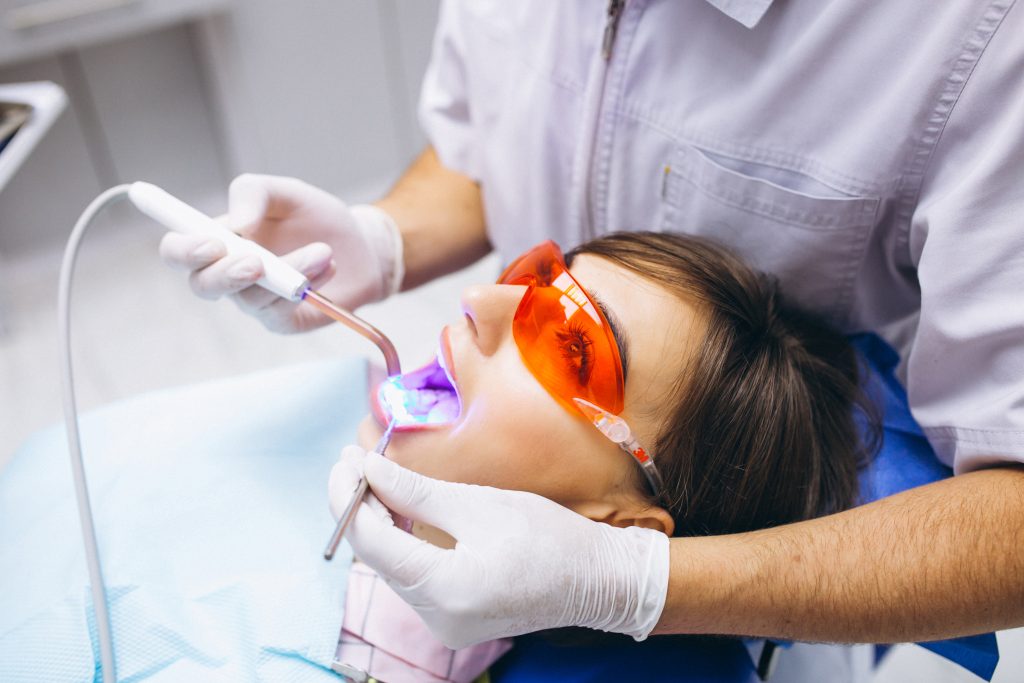
You’ll wear protective eyewear during the procedure.
The laser device will be used to perform the treatment with minimal noise or vibration.
Most patients experience little to no discomfort during or after the procedure.
Recovery time is typically shorter than with traditional methods.
Is Laser Dentistry Right for You?
Laser dentistry is suitable for many patients, especially those who:
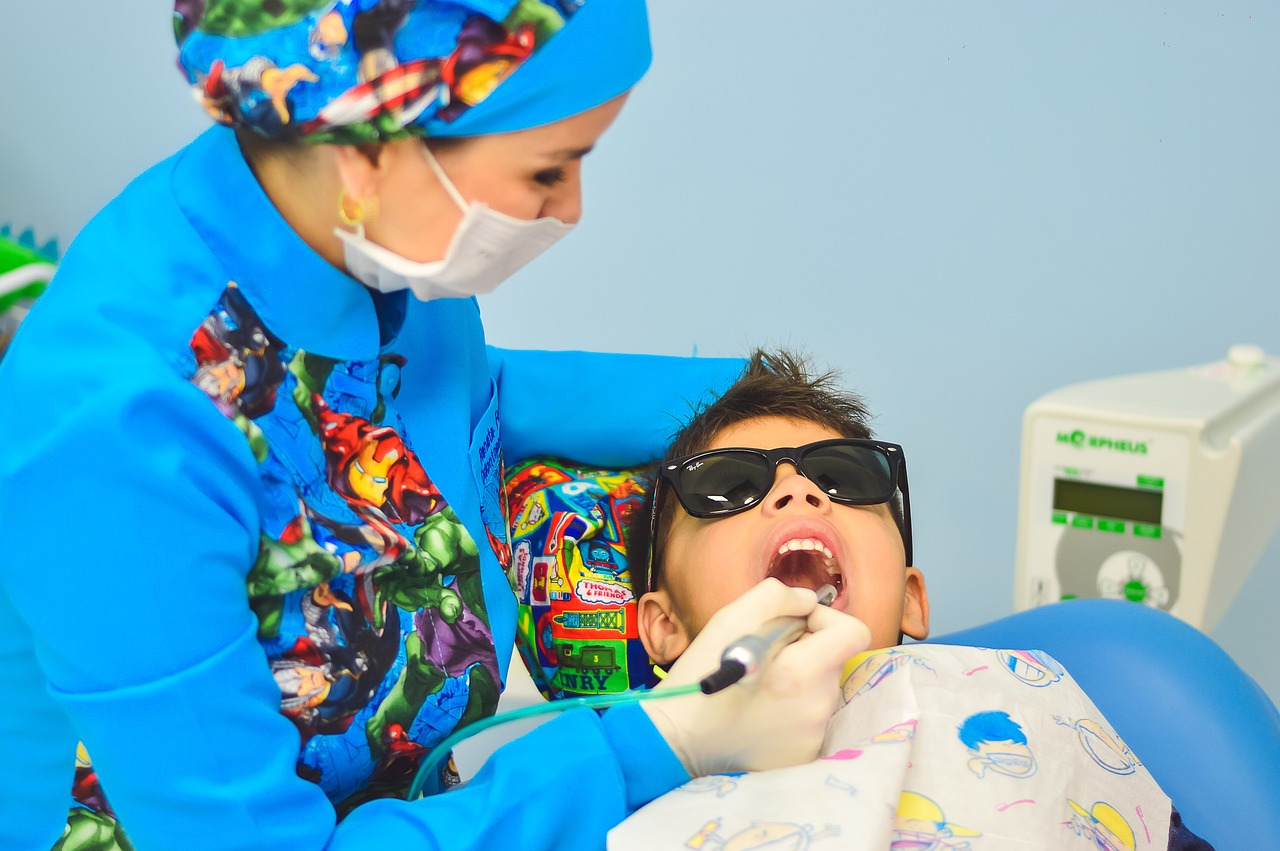
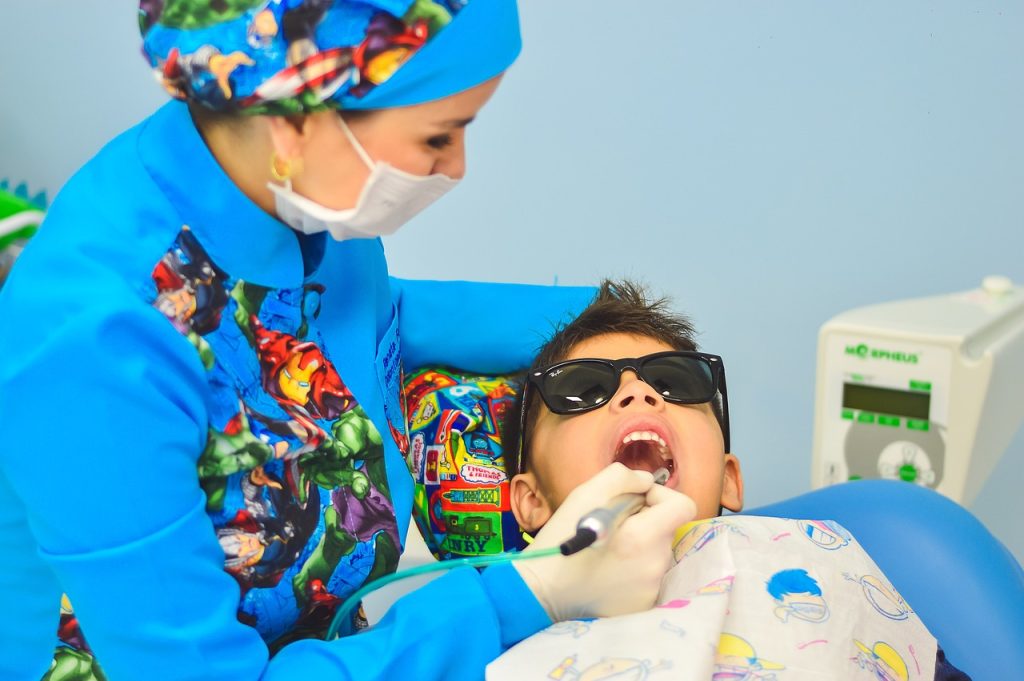
Experience anxiety with drills or needles
Have sensitive gums or teeth
Prefer minimally invasive treatments
Are undergoing cosmetic gum or whitening procedures
However, not every dental issue can be treated with lasers. Your dentist will evaluate your needs and determine the best course of treatment.
Final Thoughts
Laser dental treatment is transforming the way patients experience dentistry—offering a blend of precision, comfort, and faster recovery. Whether you’re seeking cosmetic enhancement or advanced treatment for gum disease, laser dentistry could be the gentle, high-tech solution you’ve been looking for.
Talk to your dentist today about whether laser treatment is right for your smile.



 Educated Women Can Build a Strong Society Chartered Boss Circle …
 Dental Health Awareness & Checkup Camp by Dentistium Clinics Maintaining …
 Holi Special Clinic Timings – Dentistium Multispeciality Dental Clinic On …
 How to Maintain Good Oral Hygiene: A Complete Guide for …