REVIVE YOUR SMILE

A cracked tooth is a common dental problem that can cause discomfort and, if left untreated, lead to serious oral health issues. Cracks may be tiny and difficult to see, but the symptoms can significantly affect your daily life. Understanding the warning signs early can help you protect your smile and avoid complications.
A cracked tooth occurs when there is a fracture in the enamel or deeper layers of the tooth. This can result from biting hard foods, teeth grinding, trauma, or large fillings that weaken the tooth structure.
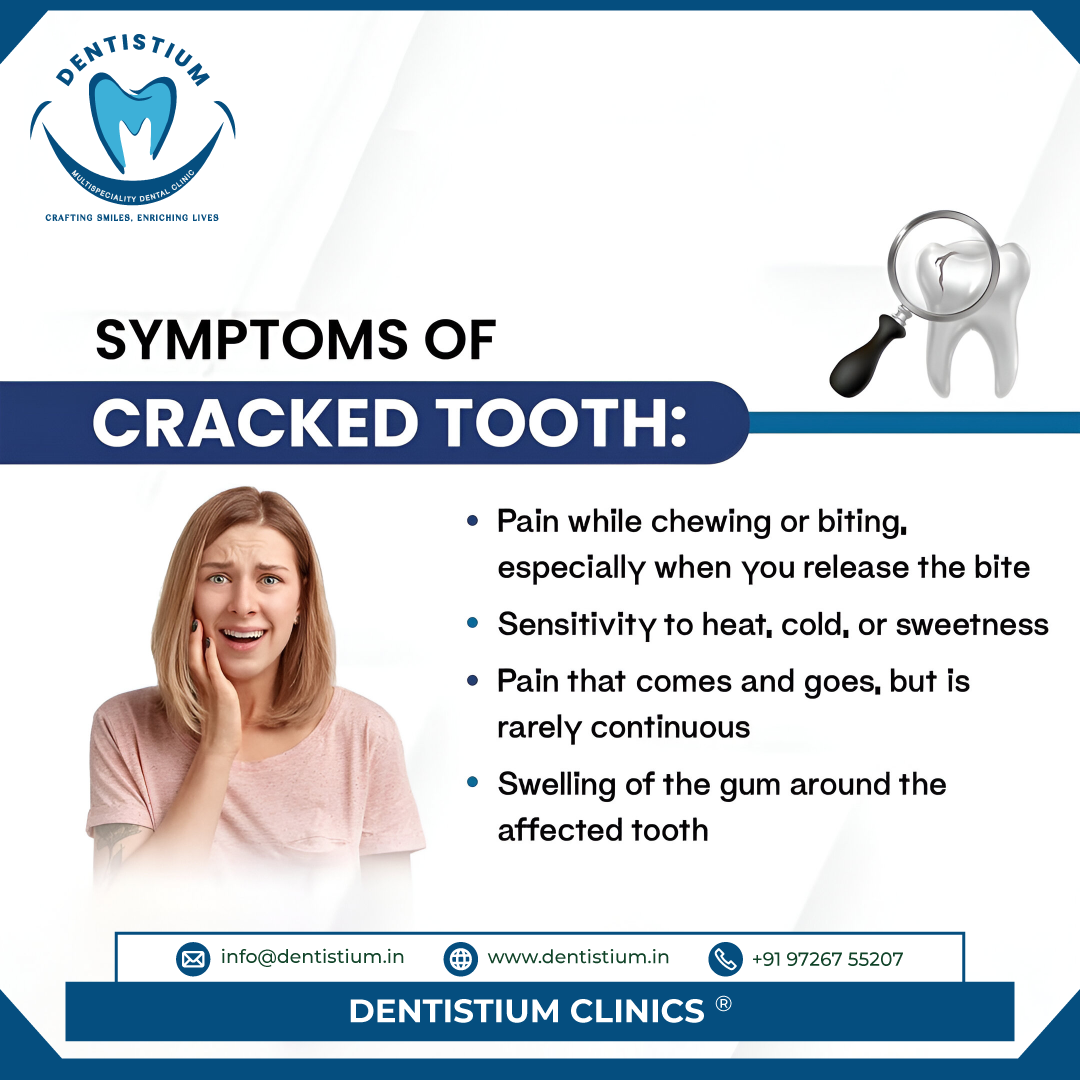
A cracked tooth doesn’t always cause constant pain, which is why it can be tricky to diagnose. Some of the most common symptoms include:
Pain while chewing or biting, especially when you release the bite
Sensitivity to hot, cold, or sweet foods and drinks
Intermittent pain that comes and goes rather than being continuous
Swelling or tenderness of the gums around the affected tooth
If you notice any of these signs, it’s important not to ignore them, as the crack can worsen over time.
Leaving a cracked tooth untreated can allow bacteria to enter the inner layers of the tooth, potentially leading to infection, abscess, or even tooth loss. Early diagnosis can often save the tooth with treatments such as dental bonding, crowns, or root canal therapy, depending on the severity.
You should schedule a dental appointment immediately if:
Pain occurs repeatedly when chewing
Sensitivity lasts more than a few seconds
You notice swelling or inflammation around a tooth
A tooth feels sharp or uneven with your tongue
Avoid chewing ice, hard candies, or very hard foods
Wear a mouthguard if you grind your teeth
Don’t use your teeth as tools to open packages
Maintain regular dental check-ups
A cracked tooth may seem minor at first, but early attention can prevent pain, infection, and costly treatments. If you’re experiencing symptoms, consult a dental professional as soon as possible to protect your oral health and keep your smile strong.
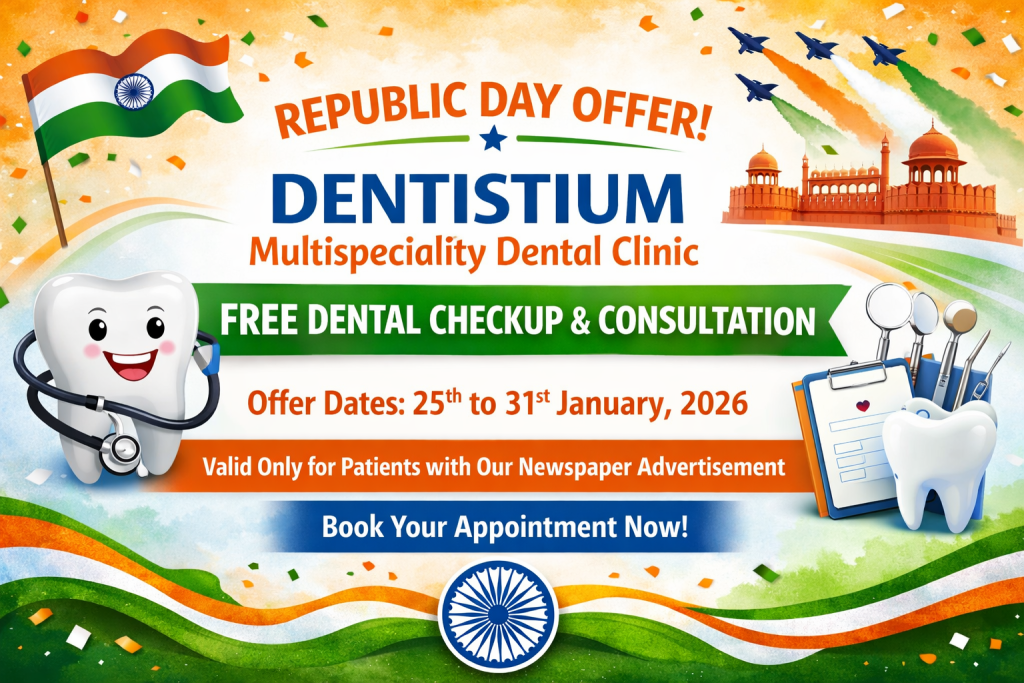
 Offer Details
Offer Period: 25 January to 31 January, 2026
Offer Includes:
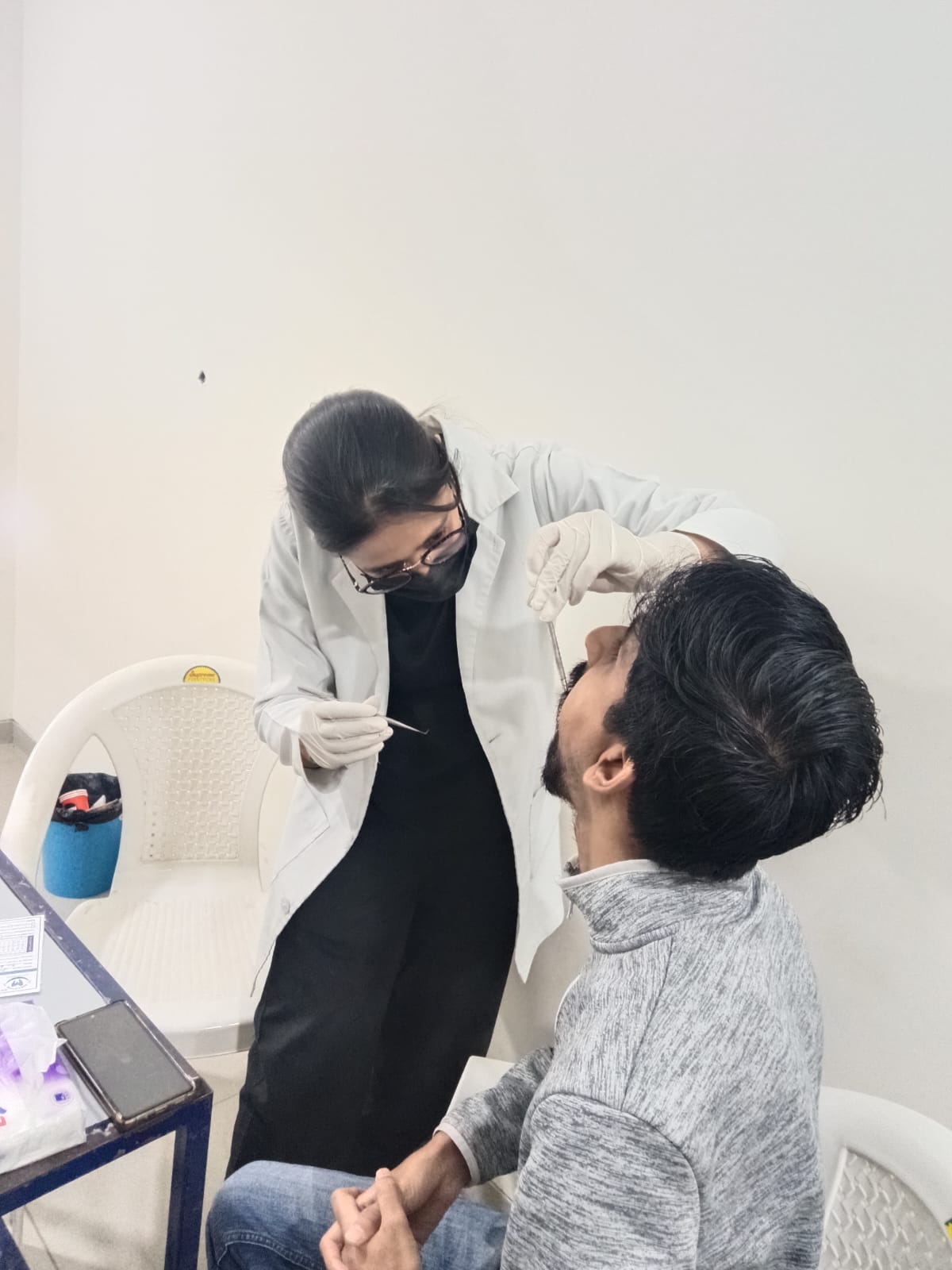
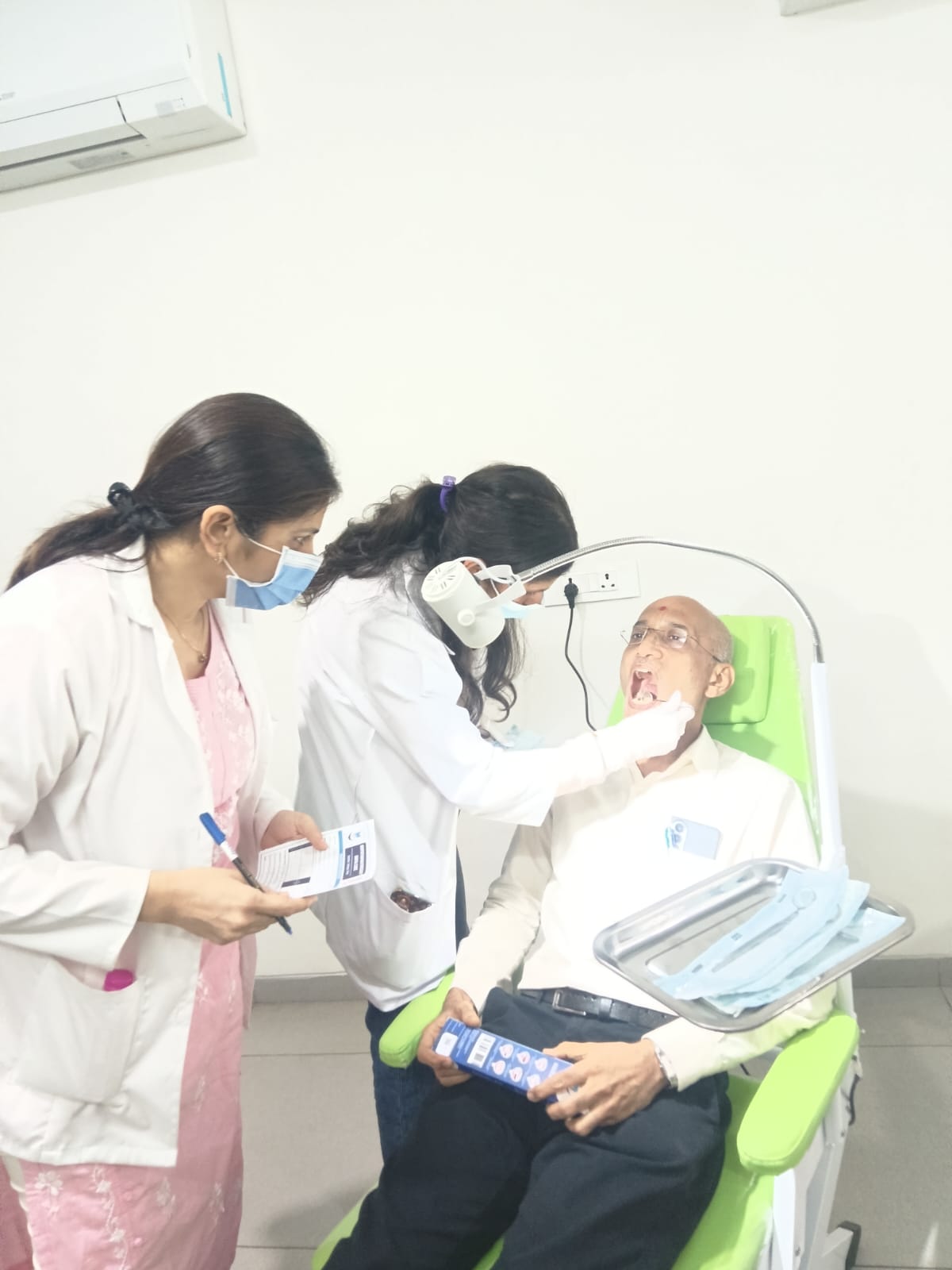
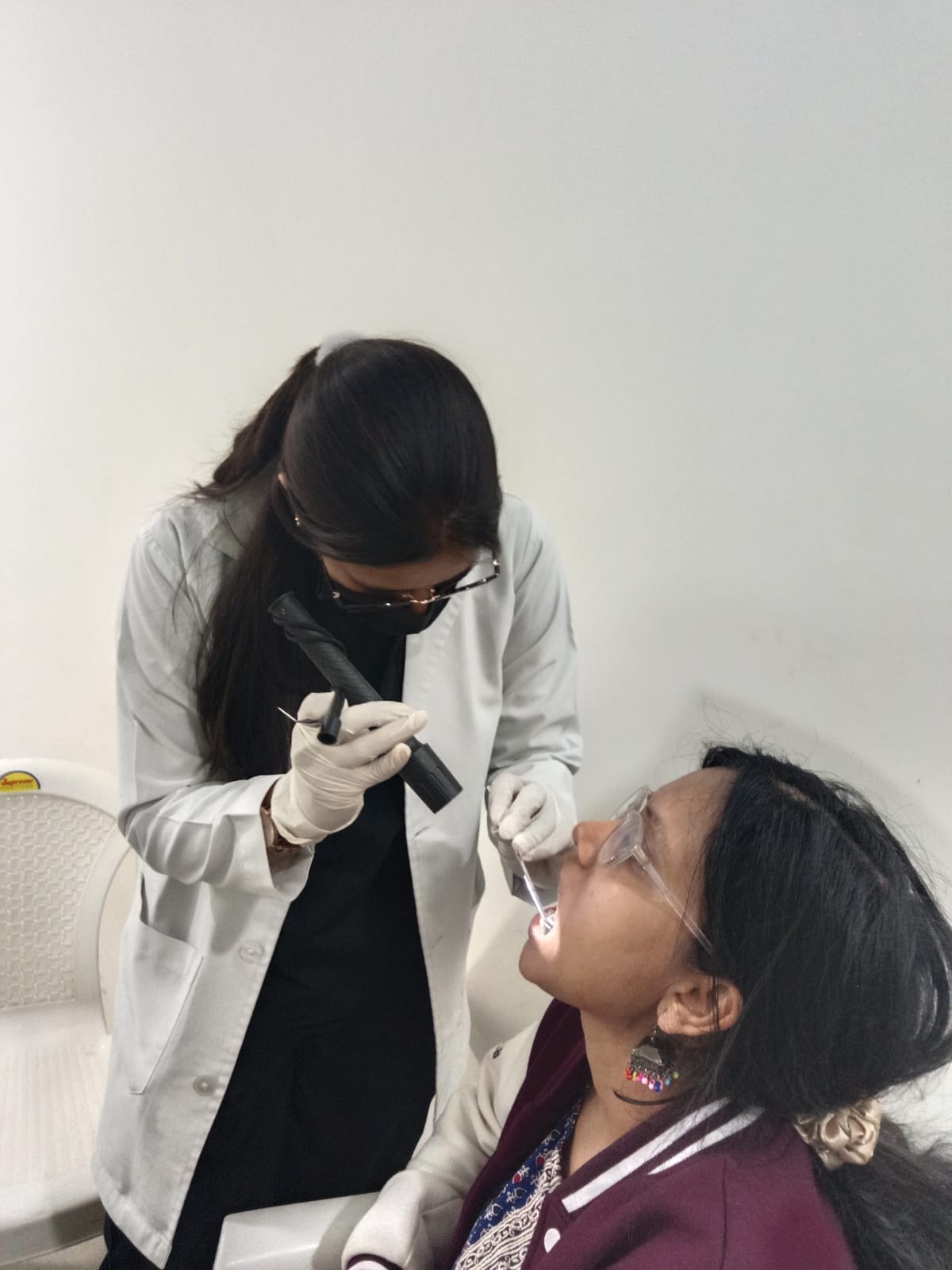
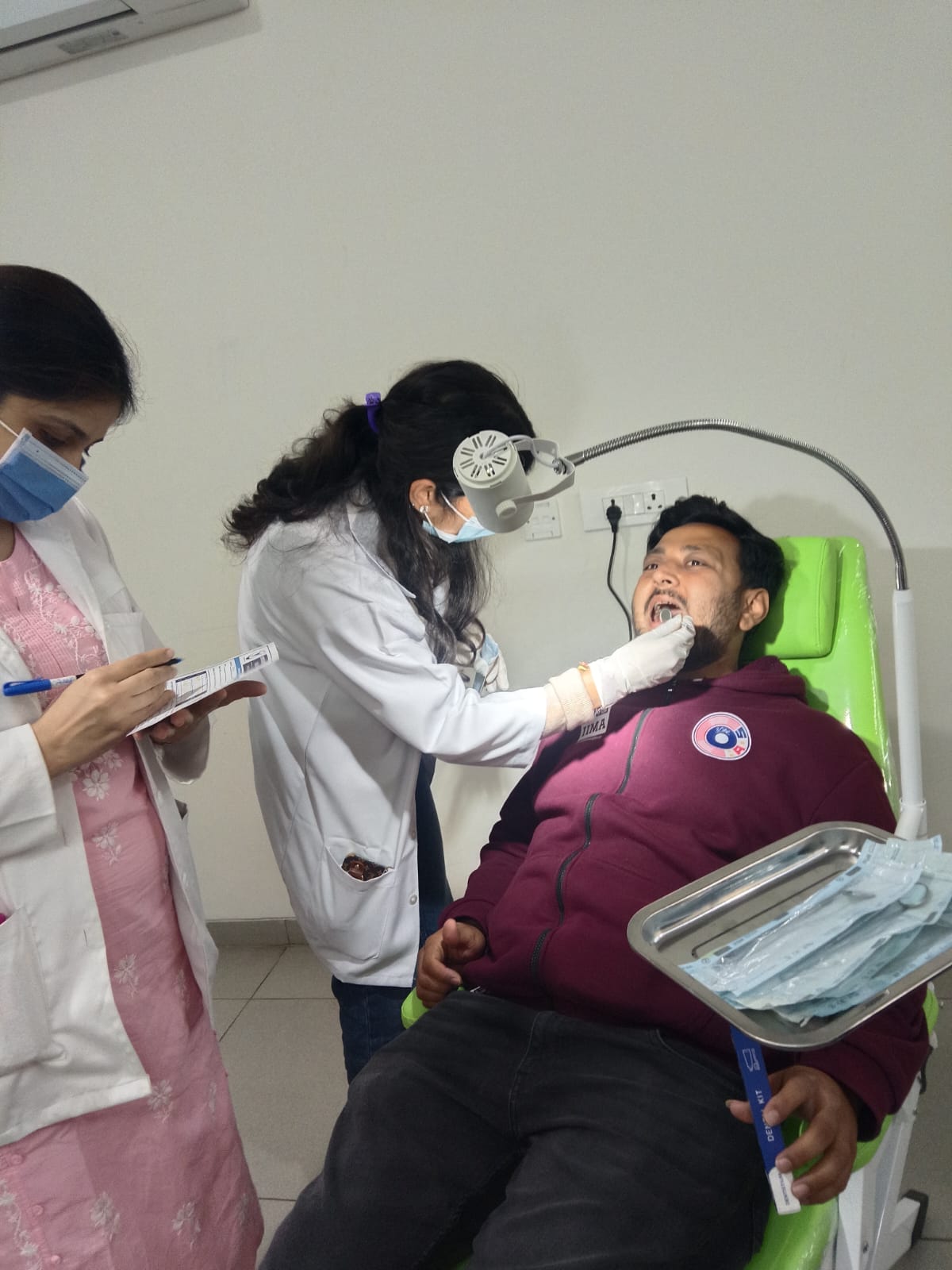
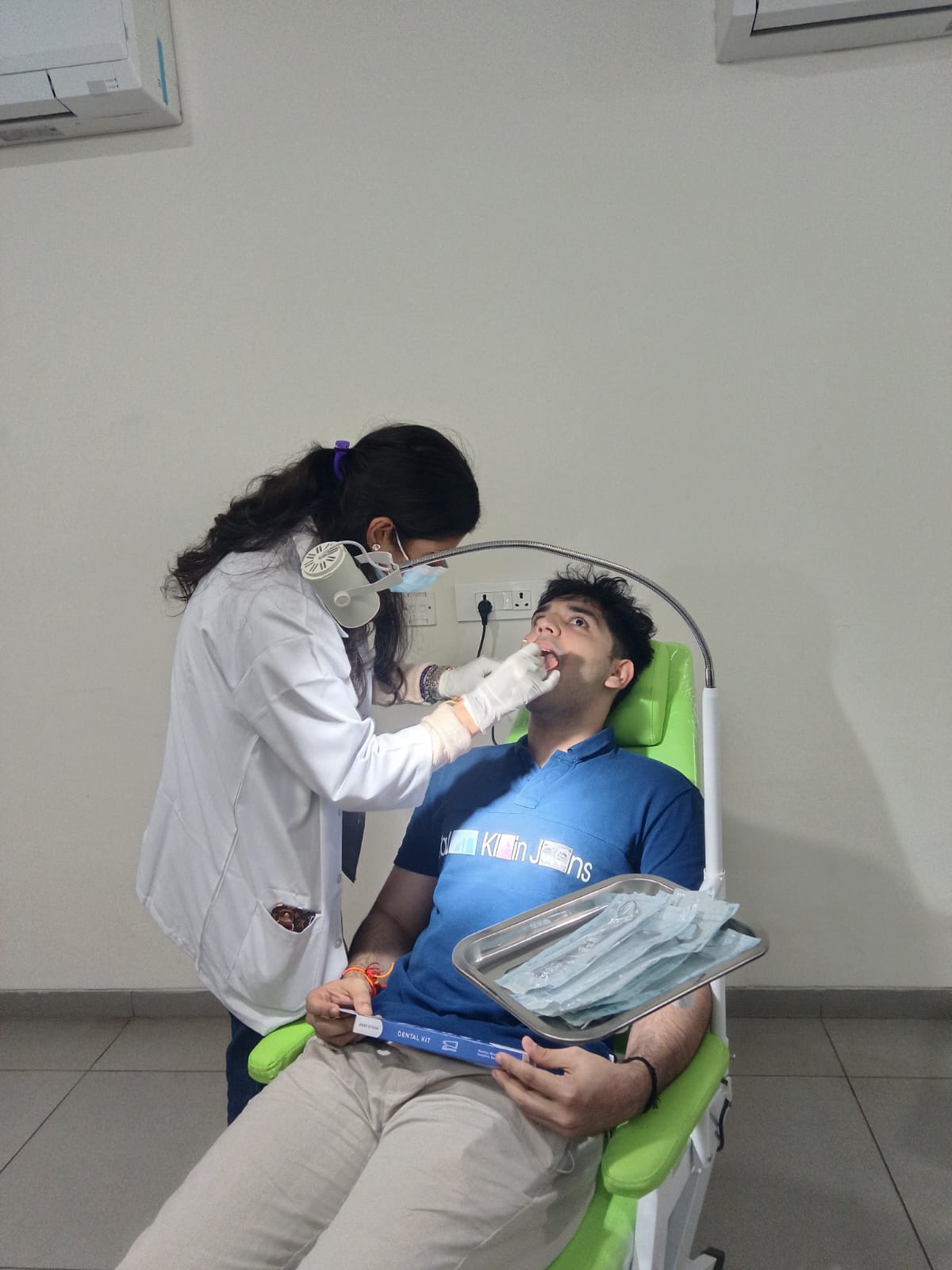
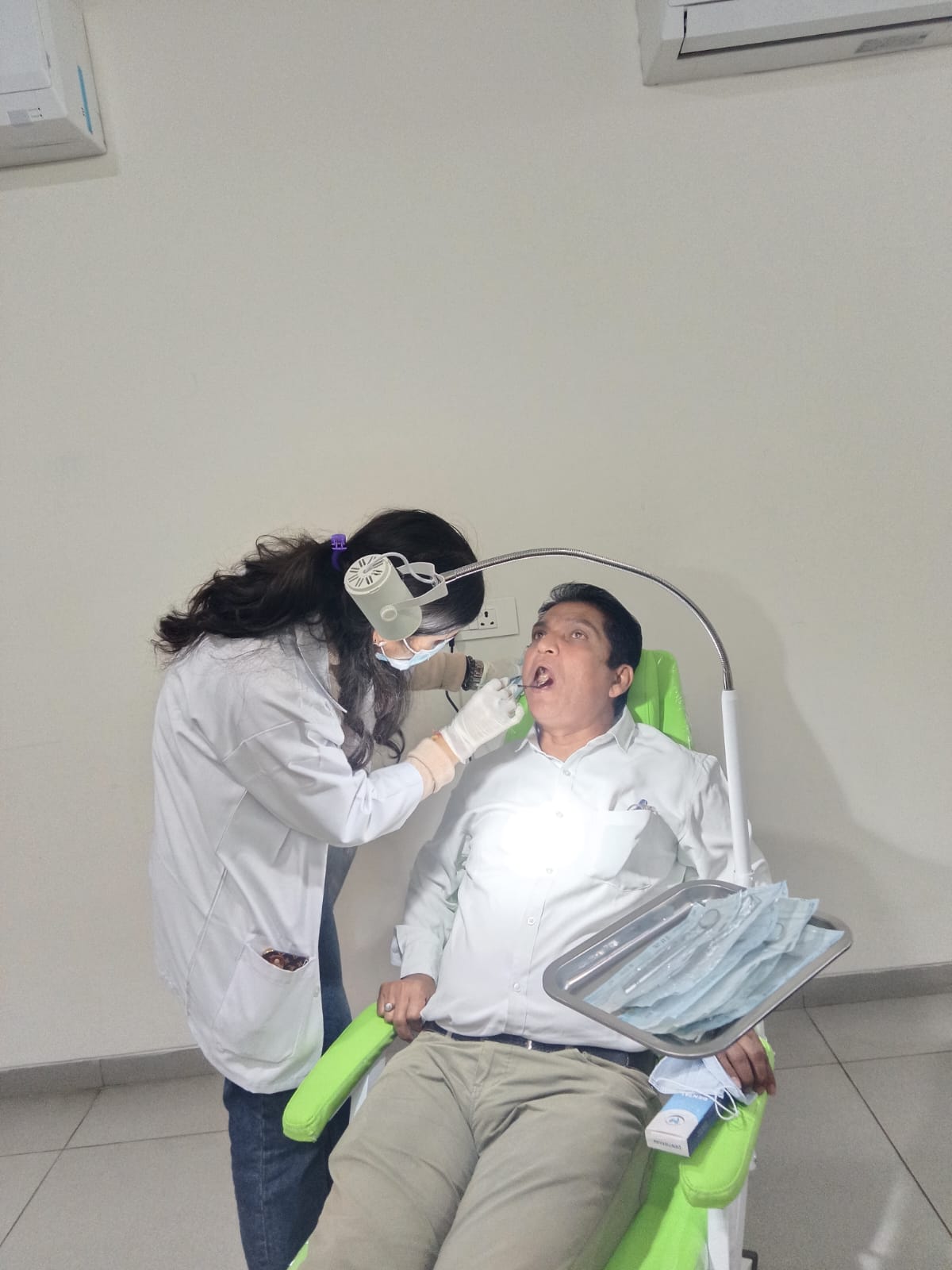
 Free Dental Checkup
Free Dental Consultation
Note: This offer includes consultation and checkup only. No treatment or procedure is included under this offer.
 Who Can Avail This Offer?
This offer is valid only for patients visiting the clinic with reference to our newspaper advertisement or official online promotions.
Patients must mention, show, or confirm the newspaper ad or online offer reference at the reception during their visit.
 Why Is a Dental Checkup Important?
Regular dental checkups play an important role in maintaining long-term oral health. They help in:
Early detection of tooth decay and gum disease
Preventing serious dental problems in the future
Receiving professional guidance for oral hygiene
Planning timely treatment, if required
Many dental problems do not show symptoms in the early stages. A preventive dental checkup can save time, discomfort, and cost in the long run.
 Terms & Conditions
Offer is valid only from 25 January to 31 January, 2026
Applicable only with newspaper or online advertisement reference
Includes free dental checkup and consultation only
Any investigations, X-rays, or treatments shall be chargeable as per clinic rates
Prior appointment is recommended to avoid waiting time
 Available at Our Branches
This Republic Day Special Offer is available at:
DENTISTIUM Multispeciality Dental Clinic – Vastrapur
DENTISTIUM Multispeciality Dental Clinic – Shela
 Book Your Appointment Today
Celebrate Republic Day by prioritizing your dental health. Visit DENTISTIUM Multispeciality Dental Clinic (Vastrapur or Shela) during the offer period with the newspaper or online advertisement reference and avail your Free Dental Checkup & Consultation.
A Healthy Smile for a Healthy Nation 
A root canal treatment is one of the most common and effective dental procedures used to save a damaged or infected tooth. Many people feel anxious when they hear the words “root canal,” but modern dentistry has made the procedure safe, painless, and highly successful. This blog explains everything you need to know about what happens during a root canal and why it is important for your oral health.
Inside every tooth is a soft tissue called the pulp, which contains nerves, blood vessels, and connective tissue. When this pulp becomes infected due to deep decay, repeated dental procedures, cracks, or trauma, it can cause severe pain and swelling. A root canal treatment removes this infected pulp, cleans the tooth from inside, and seals it to prevent further infection.
You may need a root canal if you experience:
Persistent tooth pain
Sensitivity to hot or cold that lasts long
Swollen or tender gums
Darkening of the tooth
Pus or abscess near the tooth
Ignoring these symptoms can lead to worsening infection and possible tooth loss.
The dentist first examines your tooth and takes an X-ray to assess the extent of infection and the shape of the root canals.
Local anesthesia is given to numb the area around the tooth. This ensures the procedure is comfortable and painless.
A small opening is made on the chewing surface of the tooth to access the infected pulp inside.
The damaged pulp, nerves, and bacteria are carefully removed from the root canals using specialized instruments.
The canals are thoroughly cleaned, shaped, and disinfected to remove any remaining bacteria and reduce the risk of reinfection.
The cleaned canals are filled with a biocompatible material (usually gutta-percha) and sealed tightly to protect the tooth.
A temporary or permanent filling is placed. In most cases, a dental crown is recommended to restore strength, function, and appearance.
No. With modern anesthesia and techniques, a root canal is usually no more uncomfortable than getting a regular filling. In fact, the procedure relieves the pain caused by infection.
Mild soreness for a few days is normal
Avoid chewing hard foods on the treated tooth until fully restored
Maintain good oral hygiene
Follow up for crown placement if advised
With proper care, a root canal–treated tooth can last a lifetime.
Relieves tooth pain
Stops the spread of infection
Saves your natural tooth
Restores chewing and appearance
Prevents tooth extraction
A root canal is a tooth-saving procedure that protects your smile and oral health. Early treatment leads to better results and prevents complications. If you are experiencing tooth pain or sensitivity, consult your dentist promptly to see if a root canal is the right solution.
If you want, I can also:
Optimize this blog for SEO
Add FAQs
Write it in Hindi or Gujarati
Customize it for your dental clinic website
Missing teeth are more than just a cosmetic concern—they can significantly affect your oral health, confidence, and overall quality of life. Whether you’ve lost a tooth due to decay, injury, or age-related issues, timely replacement is essential to maintain a healthy smile.
Tooth decay leading to extraction
Gum disease (periodontitis)
Accidents or trauma
Congenital absence (born without teeth)
Poor oral hygiene
Ignoring missing teeth can lead to several complications:
Difficulty in chewing and speaking
Shifting of nearby teeth, causing misalignment
Bone loss in the jaw
Facial sagging and premature aging
Reduced self-confidence and smile aesthetics
Modern dentistry offers multiple solutions depending on your needs:
The most advanced and long-lasting solution. Implants look, feel, and function like natural teeth while preserving jawbone health.
Ideal when adjacent teeth are healthy. Bridges fill the gap by anchoring artificial teeth to nearby natural teeth.
A cost-effective option for multiple missing teeth, designed to restore function and appearance.
Replacing missing teeth early helps:
Prevent bone loss
Maintain facial structure
Improve chewing efficiency
Restore confidence and smile
If you’re living with missing teeth, don’t wait. A personalized dental consultation can help you choose the best treatment option and bring back your healthy, confident smile.

Unleash Your Brightest Smile! 🌟 Schedule a dental check-up today and let Dentistium Multispeciality Dental Clinic care for your oral health. Click here to book your appointment now! 😁👩⚕️🦷 #HealthySmiles #DentalWellness #BookNow