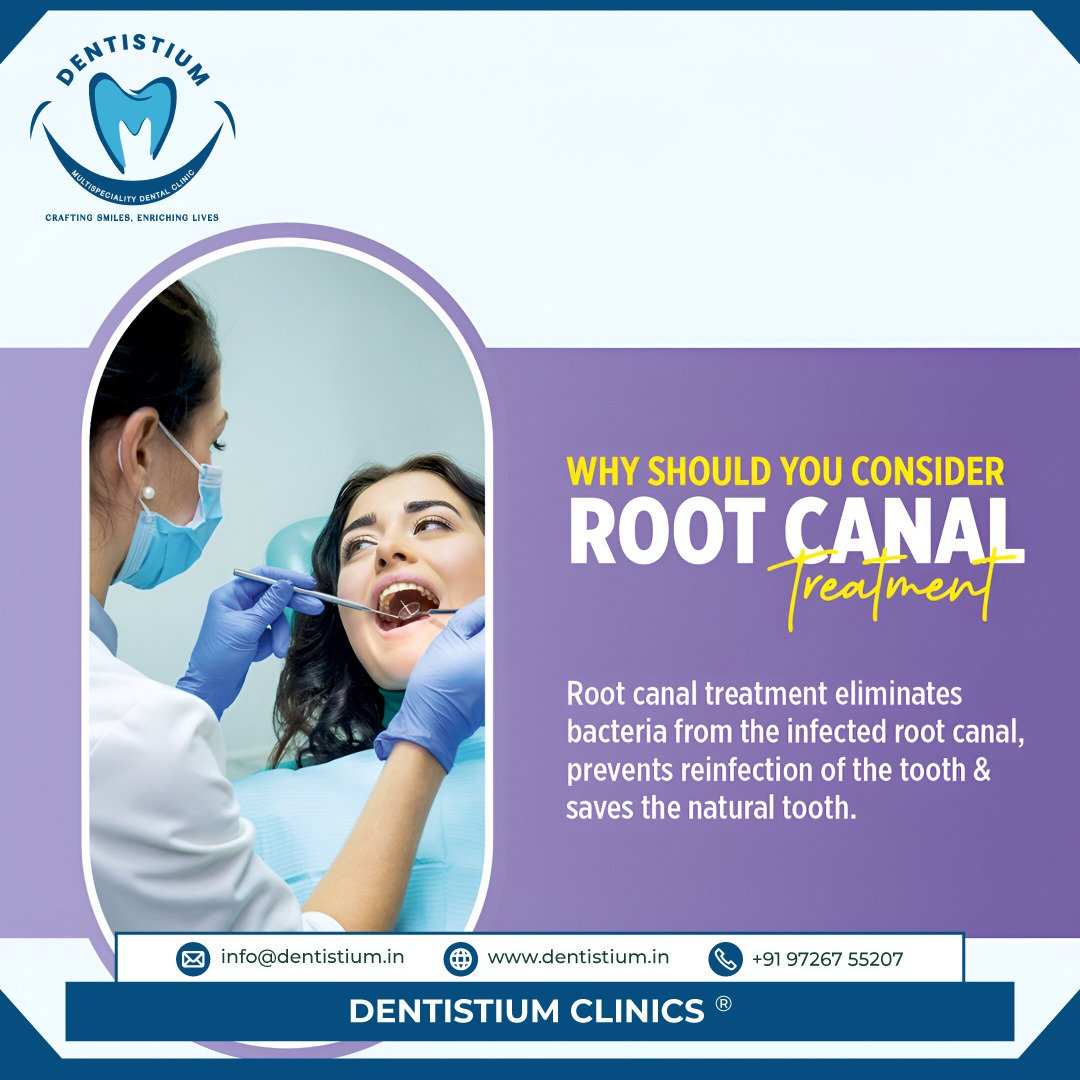
Why Should You Consider Root Canal Treatment?
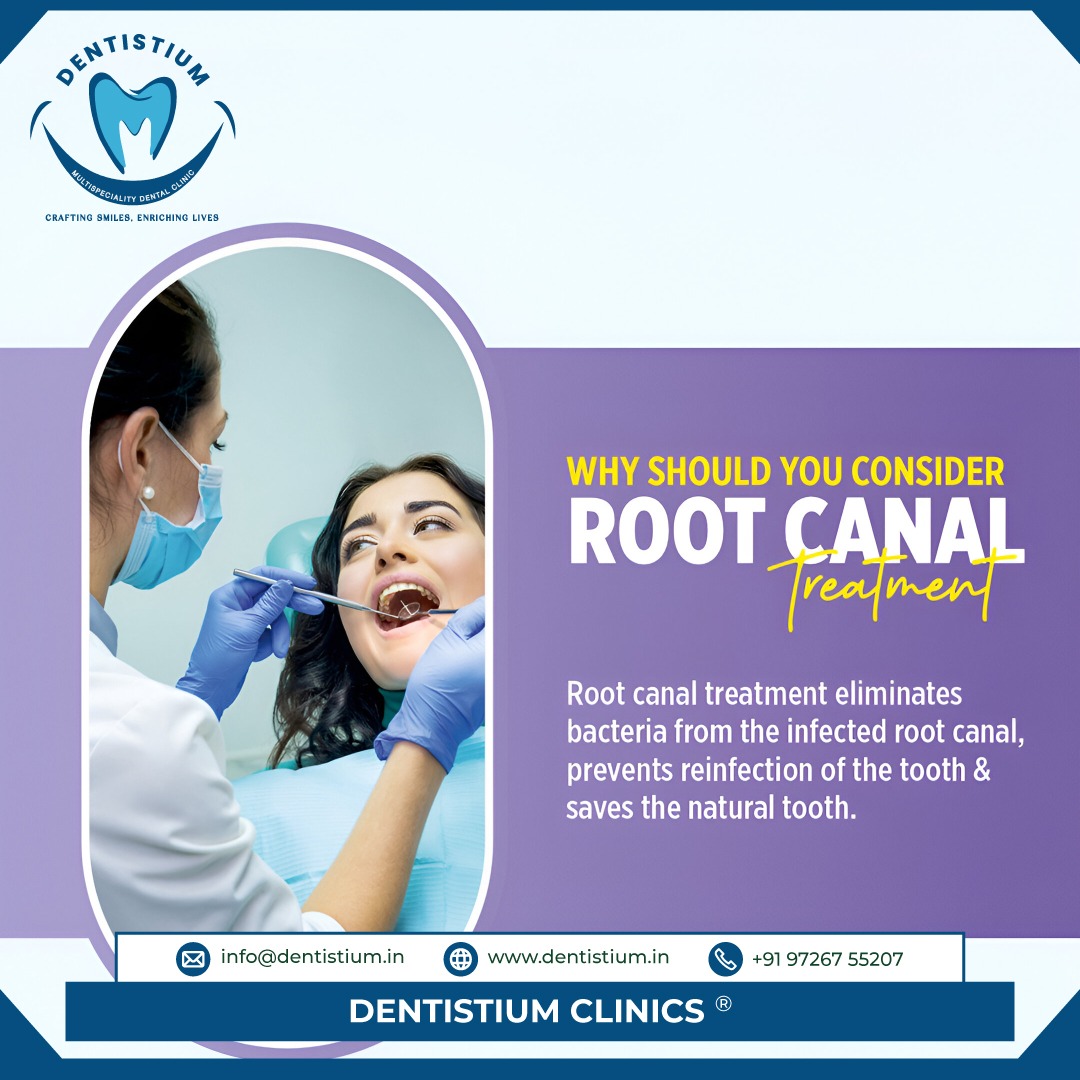
Why Should You Consider Root Canal Treatment?
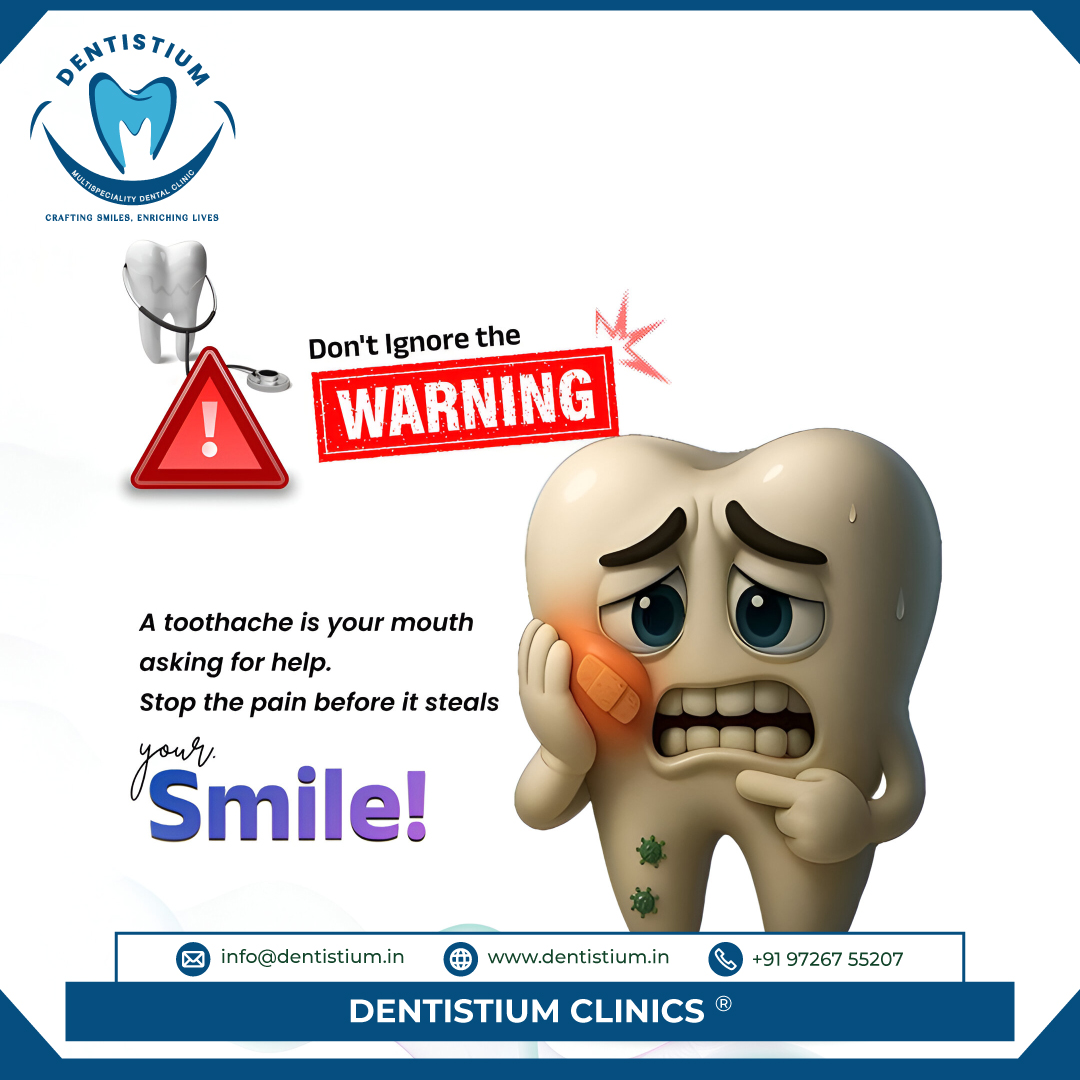
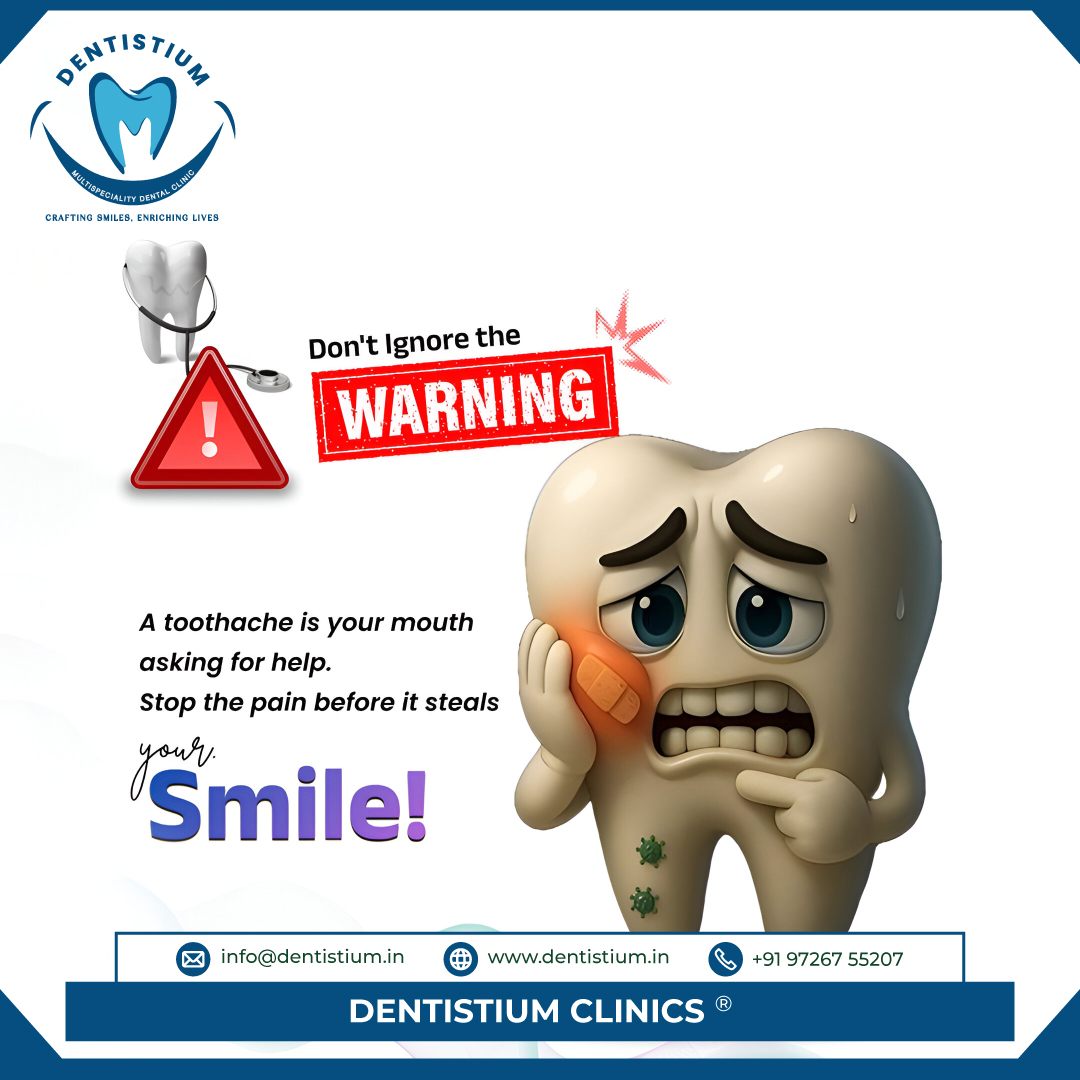
Tooth pain can disrupt your daily life—making it difficult to eat, sleep, or even concentrate. If you’re experiencing persistent toothache, sensitivity to hot and cold, or swelling around a tooth, your dentist may recommend a root canal treatment. While the term may sound intimidating, modern root canal procedures are safe, effective, and designed to relieve pain—not cause it.
In this blog, we’ll explain what root canal treatment is, why it’s necessary, its benefits, and what you can expect during the procedure.
What Is Root Canal Treatment?
Root canal treatment (endodontic therapy) is a dental procedure used to treat infection inside the tooth. When the soft inner tissue (pulp) becomes infected due to deep decay, cracks, trauma, or repeated dental procedures, it can cause severe pain and lead to abscess formation if left untreated.
The treatment involves:
Removing the infected pulp
Cleaning and disinfecting the root canals
Filling and sealing the tooth
Restoring the tooth with a filling or crown
The main goal is to save your natural tooth and prevent further infection.
Signs You May Need a Root Canal
You may require root canal treatment if you notice:
Persistent tooth pain
Sensitivity to hot or cold that lingers
Swollen or tender gums
Darkening of the tooth
Pain while chewing
A small pimple-like bump on the gums
Ignoring these symptoms can worsen the infection and may eventually require tooth extraction.
Why Should You Consider Root Canal Treatment?
1. Relieves Severe Tooth Pain
Root canal treatment eliminates the source of infection, which is the primary cause of pain. Most patients report immediate relief after the procedure.
2. Saves Your Natural Tooth
Preserving your natural tooth helps maintain proper chewing function and jaw alignment. It also prevents neighboring teeth from shifting.
3. Prevents Spread of Infection
Untreated dental infections can spread to surrounding tissues and even other parts of the body. A root canal stops the infection at its source.
4. Restores Normal Function
After restoration with a crown, the treated tooth functions just like any other tooth.
5. Cost-Effective in the Long Run
Saving a natural tooth is often more affordable than extraction followed by implants or bridges.
What Happens During the Procedure?
Here’s what you can expect:
Examination & X-ray – The dentist evaluates the tooth and confirms infection.
Local Anesthesia – The area is numbed to ensure a painless experience.
Cleaning the Infection – The infected pulp is removed and canals are disinfected.
Filling the Canals – The canals are sealed to prevent reinfection.
Final Restoration – A crown is placed to protect and strengthen the tooth.
The procedure usually takes one or two visits, depending on the severity of the infection.
Is Root Canal Treatment Painful?
Thanks to modern dental technology and anesthesia, root canal treatment is no more uncomfortable than getting a regular filling. In fact, the procedure relieves the pain caused by infection.
Aftercare Tips
After your root canal:
Avoid chewing on the treated tooth until fully restored
Maintain good oral hygiene
Brush and floss daily
Attend regular dental check-ups
Proper care ensures long-lasting results.
Final Thoughts
Root canal treatment is a reliable and effective solution for saving infected teeth. Rather than fearing the procedure, think of it as a way to protect your natural smile and restore comfort. Early diagnosis and timely treatment can prevent complications and keep your oral health on track.