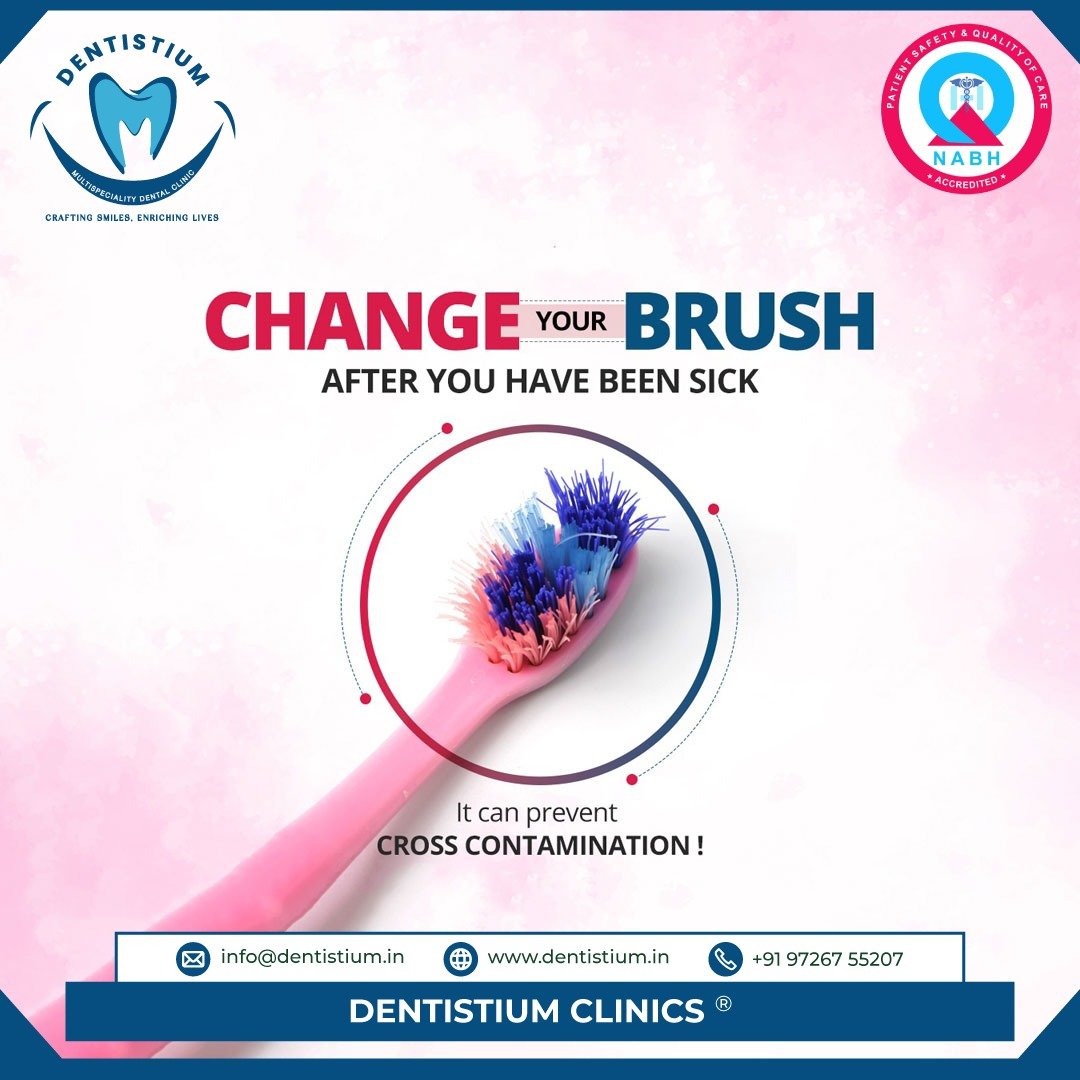
Should You Change Your Toothbrush After Being Sick?
When you’ve been sick with a cold, flu, or another infection, you may wonder whether your toothbrush could still carry germs.
Your toothbrush comes into contact with your saliva and oral tissues every day, so keeping it clean and storing it properly is an important part of good oral hygiene. However, you don’t necessarily need to replace your toothbrush every time you get sick. The American Dental Association notes that the risk of getting sick again from your own toothbrush is generally very low for most people.
What Happens to Your Toothbrush When You’re Sick?
Toothbrushes can become contaminated with bacteria, saliva, and other microorganisms during normal use. After brushing, it is therefore important to rinse the toothbrush thoroughly and allow it to air-dry.
Respiratory illnesses can spread through droplets and contaminated surfaces, which is why good hand and respiratory hygiene remain important when you are unwell.
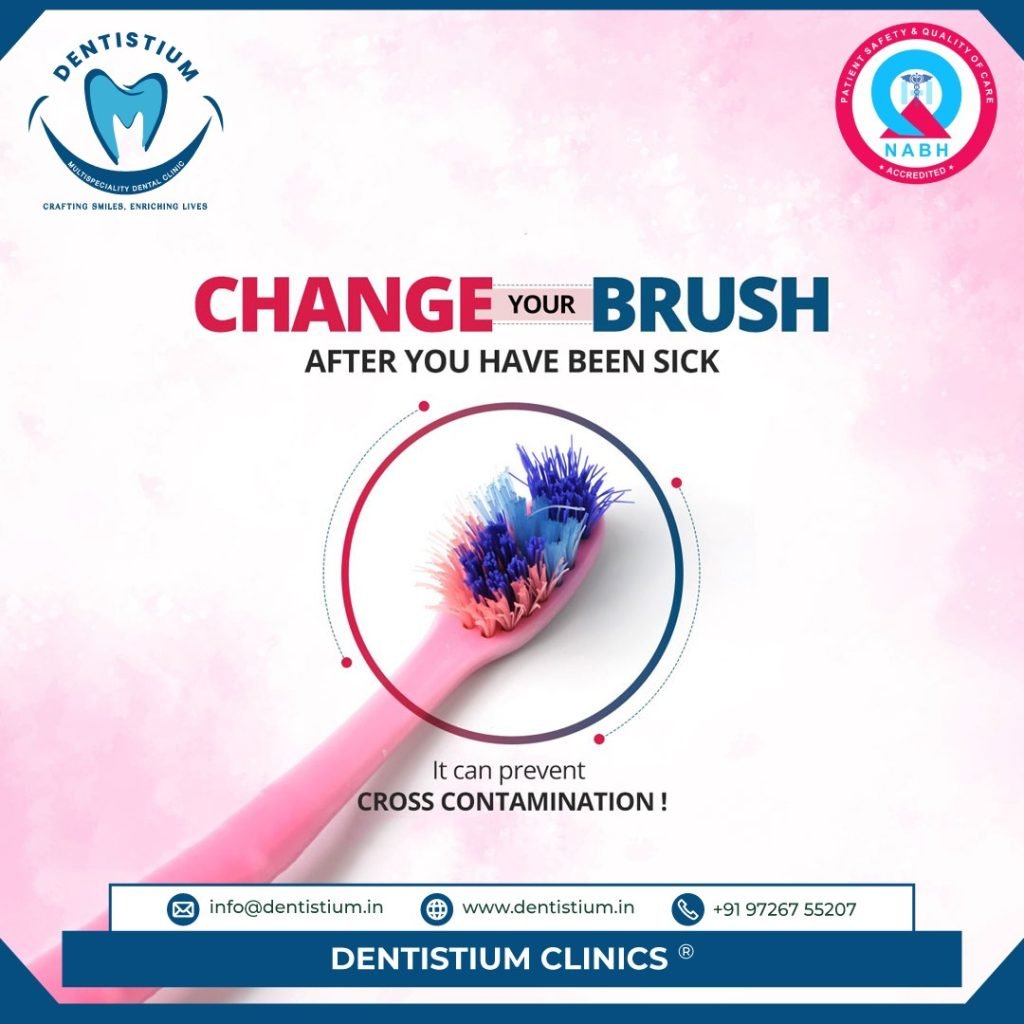
Do You Really Need a New Toothbrush?
For most healthy people, a cold or flu alone is not a reason to automatically throw away a toothbrush. The American Dental Association states that the likelihood of reinfecting yourself from your toothbrush after an illness is very low.
However, replacing your toothbrush can still be a simple precaution—especially if the brush is already due for replacement, has visibly worn bristles, or you simply prefer starting fresh after recovering.
The CDC recommends replacing a toothbrush every 3–4 months, or sooner when the bristles become worn.
How to Keep Your Toothbrush Clean
Follow these simple habits:
- Rinse your toothbrush thoroughly with tap water after brushing.
- Store it upright and allow it to air-dry.
- Keep toothbrushes from touching one another.
- Never share your toothbrush with another person.
- Avoid storing your toothbrush in a closed container for prolonged periods, as moisture can encourage microbial growth.
- Replace your brush every 3–4 months or sooner if the bristles become frayed or damaged.
There is also no need to routinely soak your toothbrush in disinfectants or mouthwash. The CDC does not recommend this as standard toothbrush care.
What About Cross-Contamination?
The bigger concern is often sharing or improperly storing toothbrushes, rather than your own toothbrush causing you to catch the same illness again.
Never share toothbrushes, particularly when someone in the household is sick. Keeping each person’s toothbrush separate and allowing it to dry properly can help maintain better hygiene.
When Should You Be Extra Careful?
People with significantly weakened immune systems may need more personalised advice about toothbrush hygiene. If you have concerns about infection, recurrent illness, or your oral health, speak with your dentist or healthcare professional.
A Fresh Brush Can Be a Fresh Start
Changing your toothbrush after an illness is optional for most healthy people, not a medical necessity. But if your toothbrush is old, damaged, or due for replacement, recovering from illness can be a convenient reminder to replace it.
Most importantly, continue brushing your teeth regularly and maintain good oral hygiene—even when you’re not feeling your best.
Healthy habits today help protect your smile tomorrow.
Dentisium Clinics®
📧 info@dentisium.in
🌐 www.dentisium.in
📞 +91 97267 55207
This article is for general educational purposes and does not replace personalised advice from a qualified dental or healthcare professional.