
Cracked Tooth: Symptoms, Causes, and When to See a Dentist
A cracked tooth is a common dental problem that can cause discomfort and, if left untreated, lead to serious oral health issues. Cracks may be tiny and difficult to see, but the symptoms can significantly affect your daily life. Understanding the warning signs early can help you protect your smile and avoid complications.
What Is a Cracked Tooth?
A cracked tooth occurs when there is a fracture in the enamel or deeper layers of the tooth. This can result from biting hard foods, teeth grinding, trauma, or large fillings that weaken the tooth structure.
Common Symptoms of a Cracked Tooth
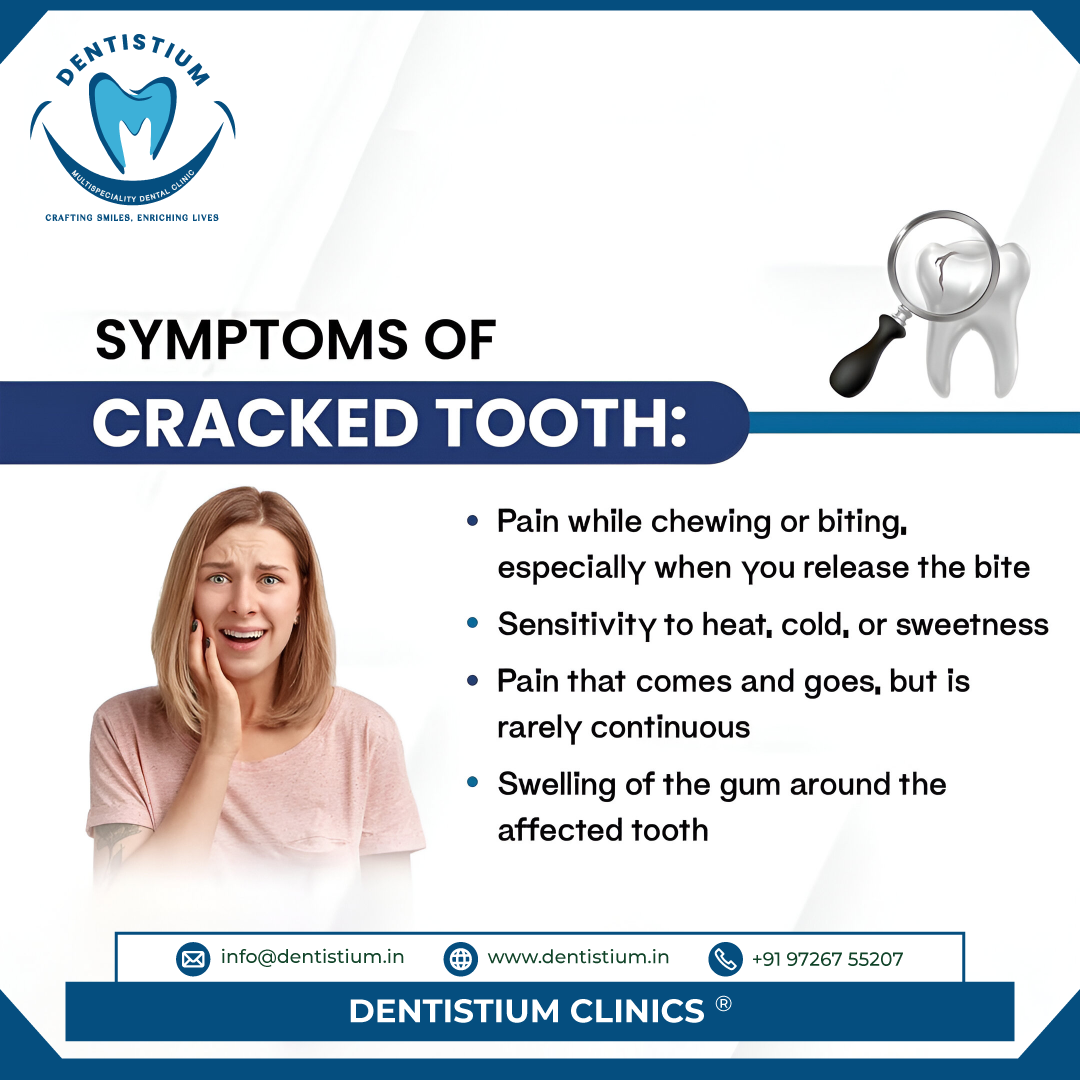
A cracked tooth doesn’t always cause constant pain, which is why it can be tricky to diagnose. Some of the most common symptoms include:
Pain while chewing or biting, especially when you release the bite
Sensitivity to hot, cold, or sweet foods and drinks
Intermittent pain that comes and goes rather than being continuous
Swelling or tenderness of the gums around the affected tooth
If you notice any of these signs, it’s important not to ignore them, as the crack can worsen over time.
Why Early Treatment Matters
Leaving a cracked tooth untreated can allow bacteria to enter the inner layers of the tooth, potentially leading to infection, abscess, or even tooth loss. Early diagnosis can often save the tooth with treatments such as dental bonding, crowns, or root canal therapy, depending on the severity.
When Should You See a Dentist?
You should schedule a dental appointment immediately if:
Pain occurs repeatedly when chewing
Sensitivity lasts more than a few seconds
You notice swelling or inflammation around a tooth
A tooth feels sharp or uneven with your tongue
How to Prevent a Cracked Tooth
Avoid chewing ice, hard candies, or very hard foods
Wear a mouthguard if you grind your teeth
Don’t use your teeth as tools to open packages
Maintain regular dental check-ups
Final Thoughts
A cracked tooth may seem minor at first, but early attention can prevent pain, infection, and costly treatments. If you’re experiencing symptoms, consult a dental professional as soon as possible to protect your oral health and keep your smile strong.
