Bleeding Gums: Causes, Warning Signs & When to See a Dentist

Bleeding gums are a common dental problem that many people ignore—often considering it normal while brushing or flossing. However, healthy gums should never bleed. If you notice blood while brushing, flossing, or eating, it may be a sign that your gums need immediate attention.

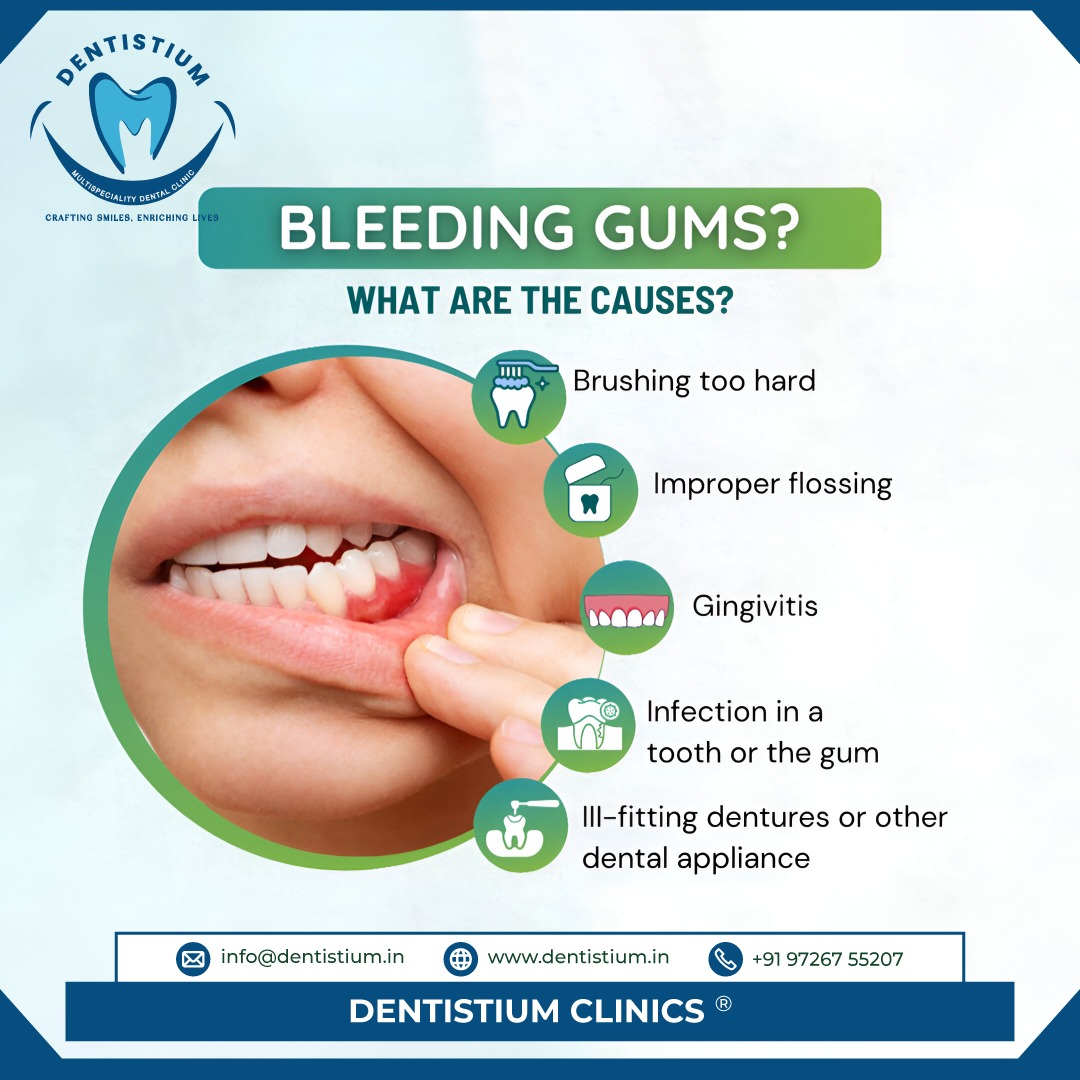
One of the most frequent causes is brushing too hard. Using a hard-bristled toothbrush or aggressive technique can injure delicate gum tissue. Similarly, improper flossing—such as snapping floss into the gums—can cause cuts and bleeding.

Another major reason is gingivitis, the early stage of gum disease. Plaque buildup along the gumline leads to inflammation, redness, swelling, and bleeding. If left untreated, gingivitis can progress to periodontitis, which may result in gum recession and tooth loss.

Bleeding may also occur due to infections in the teeth or gums, including abscesses. Additionally, ill-fitting dentures or dental appliances can irritate gum tissue, causing soreness and bleeding over time.

Other contributing factors may include poor oral hygiene, vitamin deficiencies (especially Vitamin C or K), hormonal changes, certain medications, or systemic health conditions.

When Should You See a Dentist?

You should seek professional care if:

  • Bleeding persists for more than a few days

  • Gums are swollen, tender, or painful

  • You experience bad breath or gum recession

  • Teeth feel loose or sensitive

  • There is pus or signs of infection

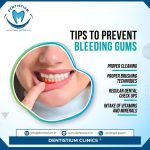
How to Prevent Bleeding Gums

  • Brush gently twice daily with a soft-bristled toothbrush

  • Floss carefully once a day

  • Use an antibacterial mouthwash if recommended

  • Maintain regular dental checkups and cleanings

  • Eat a balanced diet rich in vitamins

  • Avoid tobacco products

Early treatment can reverse most gum problems and restore healthy, firm gums. Remember—bleeding is your body’s warning sign. Don’t ignore it; protect your smile with timely dental care.


How Diet Impacts Your Dental Health: Foods to Eat and Avoid

How Diet Impacts Your Dental Health: Foods to Eat and Avoid

Your diet plays a very important role in maintaining healthy teeth and gums. The foods you choose have a direct impact on your oral health, influencing everything from enamel strength to gum health. Understanding how different foods affect your dental well-being can help you make better dietary choices. Here are some detailed looks at how various foods impact your dental health and some dietary recommendations keep your smile in top shape.

How Diet Affects Oral Health:

1.Tooth Coating: Your teeth are covered with cotton which is very strong. But some
foods and drinks, like citrus fruits and sodas, can harm you coating over time

2.Plaque Buildup: Sugary and starchy foods can lead to plaque, a sticky substance
that forms on your teeth. Plaque creates acids that can harm your enamel and it
creates problems like cavities and gum. 

3.Gum Health: A poor diet can also affect your gums and Eating too many sugary
foods can make your gums inflamed and lead to gum disease. Eating nutritious
foods helps keep your gums healthy.

Foods That Are Good for Your Teeth and
Gums

1.Fiber-rich fruits and vegetables: Vegetables like spinach and kale are full of
vitamins and minerals, which help keep yourcoting strong and your gums healthy.

2.Cheese, milk, plain yogurt, and other dairy products: these products contain
calcium, which helps strengthen your teeth and Reduce acids in your mouth.

3.Green Tea: Green tea has a Health Enhancers that help reduce inflammation and
kill bacteria in your mouth, making your gums healthier.

4.Sugarless chewing gum. This is another great saliva maker that removes food
particles from your mouth.

Foods to Avoid for Healthy Teeth

1. Soda: Although a very popular beverage among children, soda can cause serious
problems for the health of your teeth.

2. Alcohol: Drinking too much alcohol can dry out your mouth, reducing saliva and
increasing the risk of cavities and gum issues.

3.Sticky Dried Fruits: Foods like caramel and dried fruits can stick to your teeth and
cause plaque buildup.

4.Chewing Ice: I know right? Who would have thought that ice should be a food to
avoid when supporting oral health? Although ice is only made up of water and keeps
your drink cool, it is not healthy to chew on.

Tips for a Dental-Friendly Diet

1. Drink Water: Water helps wash away food and bacteria from your mouth.

2.Brush and Floss: Brush your teeth twice a day and floss daily to remove plaque and
prevent problems.

3.See Your Dentist Regularly: Regular check-ups and cleanings are important for
keeping your teeth and gums healthy.

By following these  tips and eating the right foods, you can help keep your smile
healthy and bright. 
If you have any questions or need more advice, contact
Dentistium for help.

Recent Posts

166,951 hits

  .   

Most Searched Pharmacy products on our site

 .   

 .   

Select your currency
INR Indian rupee
Add to cart