🎗️ Oral Cancer Can Affect Non-Smokers Too – Know the Signs, Save Lives 🦷

Oral Cancer in Non-Smokers: Breaking the Myth

Oral cancer is often associated with tobacco use, but a common misconception is that only smokers develop this condition. The reality is that oral cancer can affect anyone, including people who have never smoked or used tobacco products. Understanding the risk factors, warning signs, and importance of early detection can help save lives.

The Myth vs. The Reality

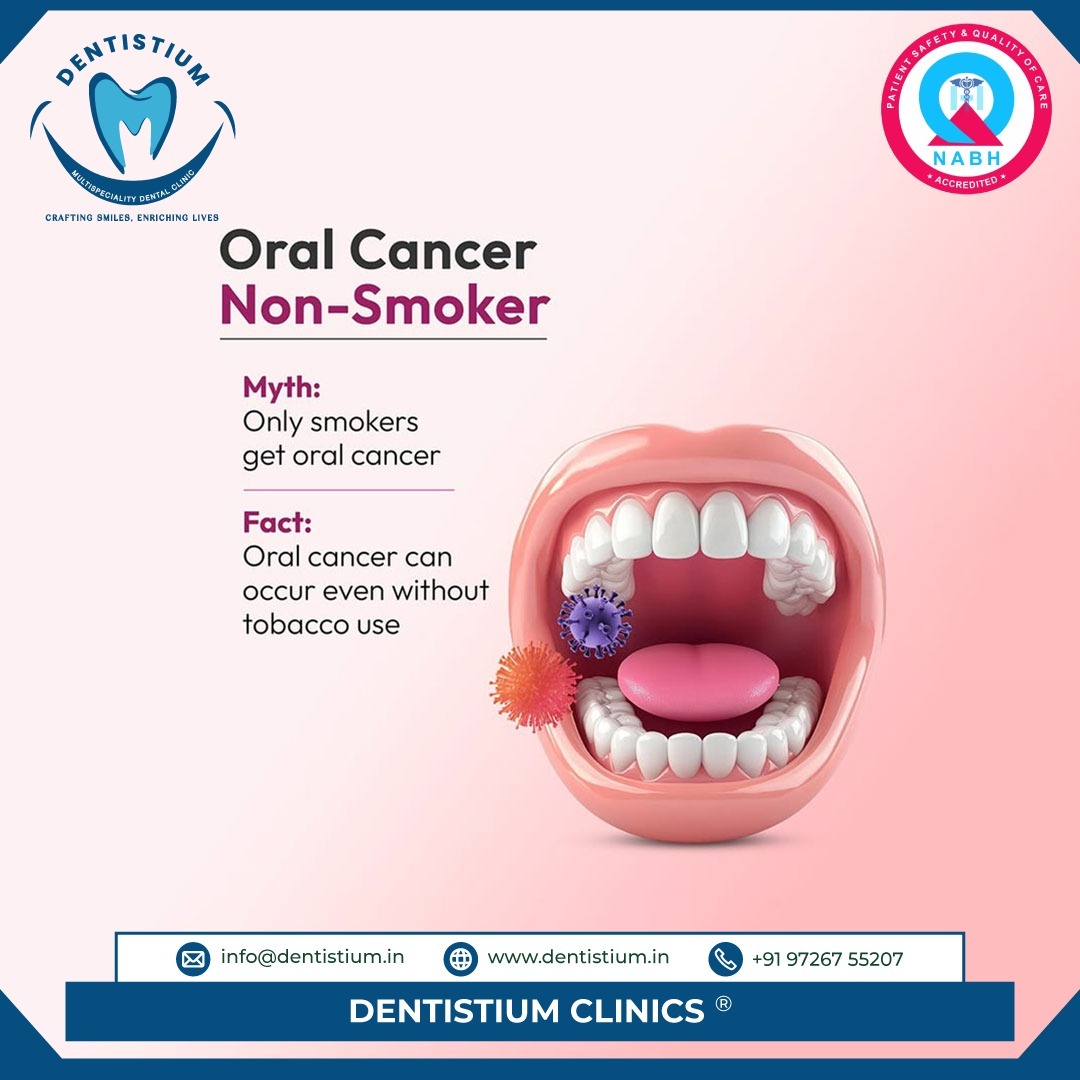
Myth: Only smokers get oral cancer.

Fact: While smoking and tobacco use significantly increase the risk, oral cancer can occur in non-smokers as well. Many individuals diagnosed with oral cancer have no history of tobacco use, highlighting the importance of awareness and regular oral health screenings.

Risk Factors Beyond Tobacco

Several factors can contribute to the development of oral cancer in non-smokers, including:

1. Human Papillomavirus (HPV)

Certain strains of HPV, particularly HPV-16, have been linked to cancers of the mouth and throat.

2. Excessive Alcohol Consumption

Heavy alcohol use can irritate oral tissues and increase cancer risk, especially when combined with other factors.

3. Genetic Predisposition

A family history of cancer may increase an individual’s susceptibility.

4. Poor Oral Health

Chronic irritation from damaged teeth, ill-fitting dentures, or poor oral hygiene may contribute to oral tissue changes.

5. Sun Exposure

Prolonged exposure to ultraviolet (UV) rays can increase the risk of lip cancer.

6. Weakened Immune System

Individuals with compromised immunity may be more vulnerable to various cancers, including oral cancer.

Common Warning Signs

Early detection greatly improves treatment outcomes. Watch for these symptoms:

  • Mouth ulcers that do not heal within two weeks

  • Red or white patches inside the mouth

  • Persistent pain or numbness

  • Difficulty chewing, swallowing, or speaking

  • Unexplained lumps or thickening of oral tissues

  • Loose teeth without a clear dental cause

  • Persistent sore throat or hoarseness

If any of these symptoms persist, seek professional dental or medical evaluation promptly.

Why Regular Dental Check-Ups Matter

Dentists are often the first healthcare professionals to identify suspicious changes in the mouth. Routine dental examinations include oral cancer screenings that can detect abnormalities before symptoms become severe.

Early diagnosis not only improves treatment success rates but also reduces the impact of treatment on a patient’s quality of life.

Prevention and Awareness

Although not all cases of oral cancer can be prevented, individuals can reduce their risk by:

  • Maintaining good oral hygiene

  • Attending regular dental check-ups

  • Limiting alcohol consumption

  • Protecting lips from excessive sun exposure

  • Following a healthy, balanced diet

  • Receiving HPV vaccination when recommended

Final Thoughts

Oral cancer is not exclusive to smokers. Anyone can be affected, regardless of tobacco use history. Awareness of risk factors, recognizing early warning signs, and scheduling regular dental examinations are essential steps toward early detection and better outcomes.

Your oral health is an important part of your overall well-being. Don’t ignore unusual changes in your mouth—early action can make all the difference.

Dentistium Clinics®
Crafting Smiles, Enriching Lives 🦷💙

Keywords: Oral Cancer, Non-Smoker Oral Cancer, Oral Health, Dental Screening, Early Detection, Mouth Cancer Awareness, Preventive Dentistry, HPV and Oral Cancer, Dental Care, Cancer Prevention.

Addressing Oral Cancer in India: Prevention and Early Detection Strategies

Addressing Oral Cancer in India: Prevention and Early Detection Strategies

  . 

Oral cancer is a serious health issue in India. It is one of the most common types of cancer in the country. Many people are not aware of its dangers, and this often leads to late diagnosis. When cancer is detected late, treatment becomes more difficult and less effective. Therefore, prevention and early detection are key to reducing the risk of oral cancer.

  . 

What is Oral Cancer?

Oral cancer is a type of cancer that develops in the mouth or throat. It can affect the lips, tongue, cheeks, the floor of the mouth, hard and soft palate, sinuses, and throat. If not treated early, oral cancer can be life-threatening.

Causes and Risk Factors

Several factors can increase the risk of developing oral cancer. The most common ones include:

Tobacco Use: Smoking cigarettes, cigars, or chewing tobacco is a leading cause of oral cancer.

Alcohol Consumption: Heavy drinking can increase the risk.

Poor Oral Hygiene: Not taking care of your teeth and gums can lead to infections and other problems that increase the risk of cancer.

HPV Infection: Human Papillomavirus (HPV) is a virus that can cause oral cancer.

Unhealthy Diet: A diet low in fruits and vegetables can weaken the body’s defenses against cancer.

Excessive Sun Exposure: Spending too much time in the sun can cause cancer on the lips.

Signs and Symptoms

Early detection of oral cancer can save lives. It is important to know the common signs and symptoms:

Sores or ulcers in the mouth that do not heal

Red or white patches in the mouth

Difficulty in chewing or swallowing

A lump in the cheek

Persistent sore throat

Hoarseness or changes in voice

Pain in the mouth or ear

If you notice any of these symptoms, consult a dentist or doctor immediately.

Prevention Strategies

Prevention is always better than cure. Here are some steps to reduce the risk of oral cancer:

Quit Tobacco: Stop smoking and chewing tobacco. This is the most important step to prevent oral cancer.

Limit Alcohol: Reduce alcohol consumption to lower the risk.

Maintain Oral Hygiene: Brush and floss your teeth regularly. Visit your dentist every six months for check-ups.

Eat Healthy: Include fruits and vegetables in your diet. A balanced diet boosts your immune system and reduces cancer risk.

Protect Your Lips: Use lip balm with sunscreen when exposed to the sun.

Avoid Risky Habits: Avoid sharing utensils, razors, or engaging in oral sex with unknown partners to reduce the risk of HPV infection.

Early Detection Strategies

Early detection increases the chances of successful treatment. Here is how you can detect oral cancer early:

Regular Dental Check-ups: Dentists can identify early signs of oral cancer during routine visits.

Self-Examination: Check your mouth regularly for any changes like sores, lumps, or color changes.

Know Your Risk: If you use tobacco or alcohol, or have a family history of cancer, be extra cautious and consult your dentist regularly.

Importance of Awareness

Many people in India are not aware of oral cancer and its risks. Educating people about prevention and early detection can save lives. Schools, workplaces, and community centers can conduct awareness programs.

Role of Dentists

Dentists play a vital role in preventing and detecting oral cancer. They can identify early signs during check-ups and guide patients on maintaining oral health. At Dentistium, we encourage regular check-ups and provide education on oral health.

Oral cancer is a serious but preventable disease. By quitting tobacco, reducing alcohol, maintaining good oral hygiene, and having regular dental check-ups, we can reduce the risk. Early detection saves lives. Visit Dentistium for regular dental check-ups and advice on oral cancer prevention.

Stay Healthy, Stay Aware.

182,862 hits

  .   

Most Searched Pharmacy products on our site

 .   

 .   

Select your currency
INR Indian rupee
Add to cart