🎗️ Oral Cancer Can Affect Non-Smokers Too – Know the Signs, Save Lives 🦷

Oral Cancer in Non-Smokers: Breaking the Myth

Oral cancer is often associated with tobacco use, but a common misconception is that only smokers develop this condition. The reality is that oral cancer can affect anyone, including people who have never smoked or used tobacco products. Understanding the risk factors, warning signs, and importance of early detection can help save lives.

The Myth vs. The Reality

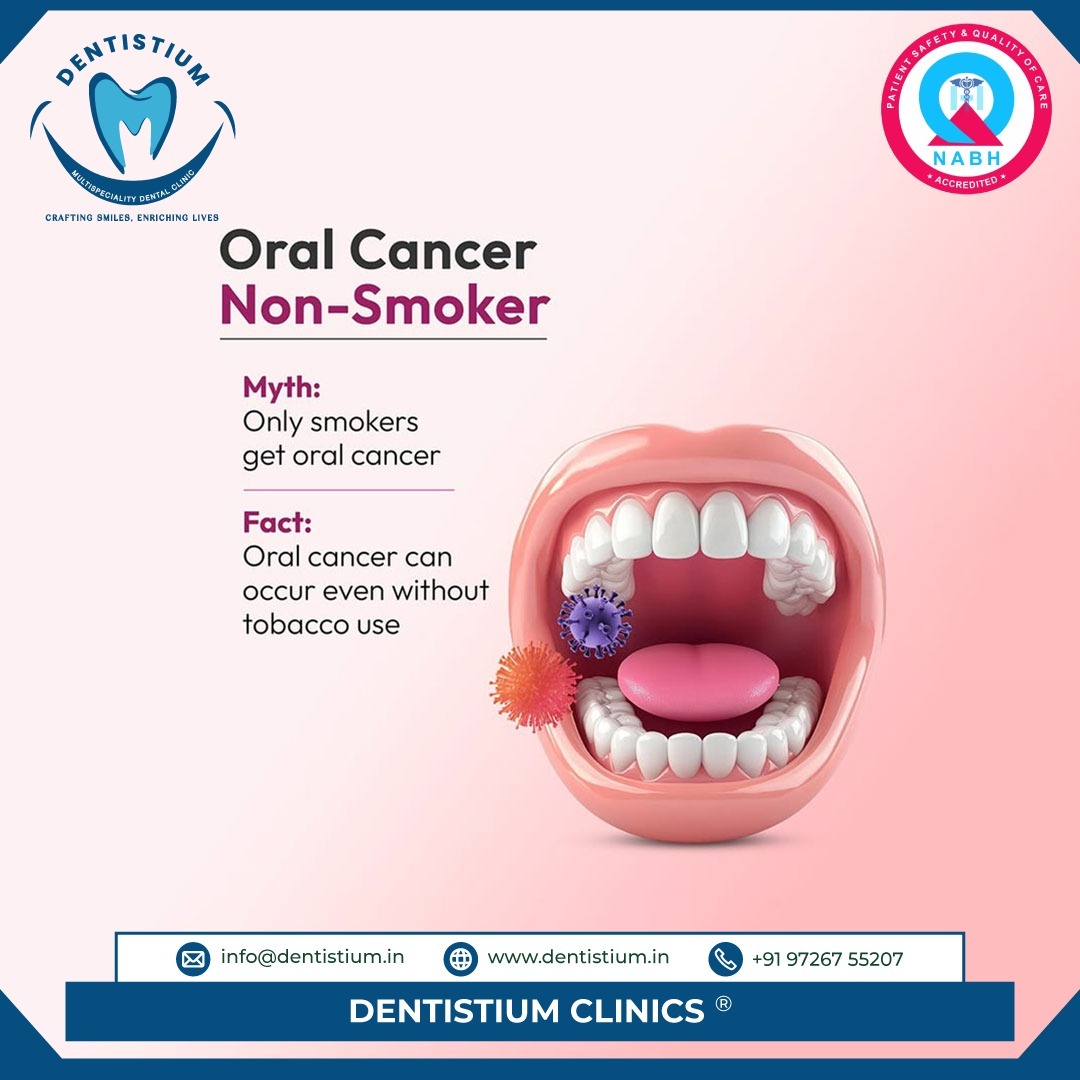
Myth: Only smokers get oral cancer.

Fact: While smoking and tobacco use significantly increase the risk, oral cancer can occur in non-smokers as well. Many individuals diagnosed with oral cancer have no history of tobacco use, highlighting the importance of awareness and regular oral health screenings.

Risk Factors Beyond Tobacco

Several factors can contribute to the development of oral cancer in non-smokers, including:

1. Human Papillomavirus (HPV)

Certain strains of HPV, particularly HPV-16, have been linked to cancers of the mouth and throat.

2. Excessive Alcohol Consumption

Heavy alcohol use can irritate oral tissues and increase cancer risk, especially when combined with other factors.

3. Genetic Predisposition

A family history of cancer may increase an individual’s susceptibility.

4. Poor Oral Health

Chronic irritation from damaged teeth, ill-fitting dentures, or poor oral hygiene may contribute to oral tissue changes.

5. Sun Exposure

Prolonged exposure to ultraviolet (UV) rays can increase the risk of lip cancer.

6. Weakened Immune System

Individuals with compromised immunity may be more vulnerable to various cancers, including oral cancer.

Common Warning Signs

Early detection greatly improves treatment outcomes. Watch for these symptoms:

  • Mouth ulcers that do not heal within two weeks

  • Red or white patches inside the mouth

  • Persistent pain or numbness

  • Difficulty chewing, swallowing, or speaking

  • Unexplained lumps or thickening of oral tissues

  • Loose teeth without a clear dental cause

  • Persistent sore throat or hoarseness

If any of these symptoms persist, seek professional dental or medical evaluation promptly.

Why Regular Dental Check-Ups Matter

Dentists are often the first healthcare professionals to identify suspicious changes in the mouth. Routine dental examinations include oral cancer screenings that can detect abnormalities before symptoms become severe.

Early diagnosis not only improves treatment success rates but also reduces the impact of treatment on a patient’s quality of life.

Prevention and Awareness

Although not all cases of oral cancer can be prevented, individuals can reduce their risk by:

  • Maintaining good oral hygiene

  • Attending regular dental check-ups

  • Limiting alcohol consumption

  • Protecting lips from excessive sun exposure

  • Following a healthy, balanced diet

  • Receiving HPV vaccination when recommended

Final Thoughts

Oral cancer is not exclusive to smokers. Anyone can be affected, regardless of tobacco use history. Awareness of risk factors, recognizing early warning signs, and scheduling regular dental examinations are essential steps toward early detection and better outcomes.

Your oral health is an important part of your overall well-being. Don’t ignore unusual changes in your mouth—early action can make all the difference.

Dentistium Clinics®
Crafting Smiles, Enriching Lives 🦷💙

Keywords: Oral Cancer, Non-Smoker Oral Cancer, Oral Health, Dental Screening, Early Detection, Mouth Cancer Awareness, Preventive Dentistry, HPV and Oral Cancer, Dental Care, Cancer Prevention.

🦷 5 Signs You Might Have a Cavity – Don’t Ignore Them!

Signs You Might Have a Cavity: Early Warning Signs You Should Never Ignore

A cavity is one of the most common dental problems affecting people of all ages. While cavities often begin silently, they can quickly progress into painful infections and serious tooth damage if left untreated. Recognizing the early signs of tooth decay can help you seek treatment before the problem worsens.

What Is a Cavity?

A cavity is a permanently damaged area in the hard surface of a tooth that develops into tiny openings or holes. Cavities occur when plaque bacteria produce acids that gradually erode the tooth enamel. Poor oral hygiene, frequent snacking on sugary foods, and inadequate fluoride exposure can increase the risk of developing cavities.

Common Signs You Might Have a Cavity

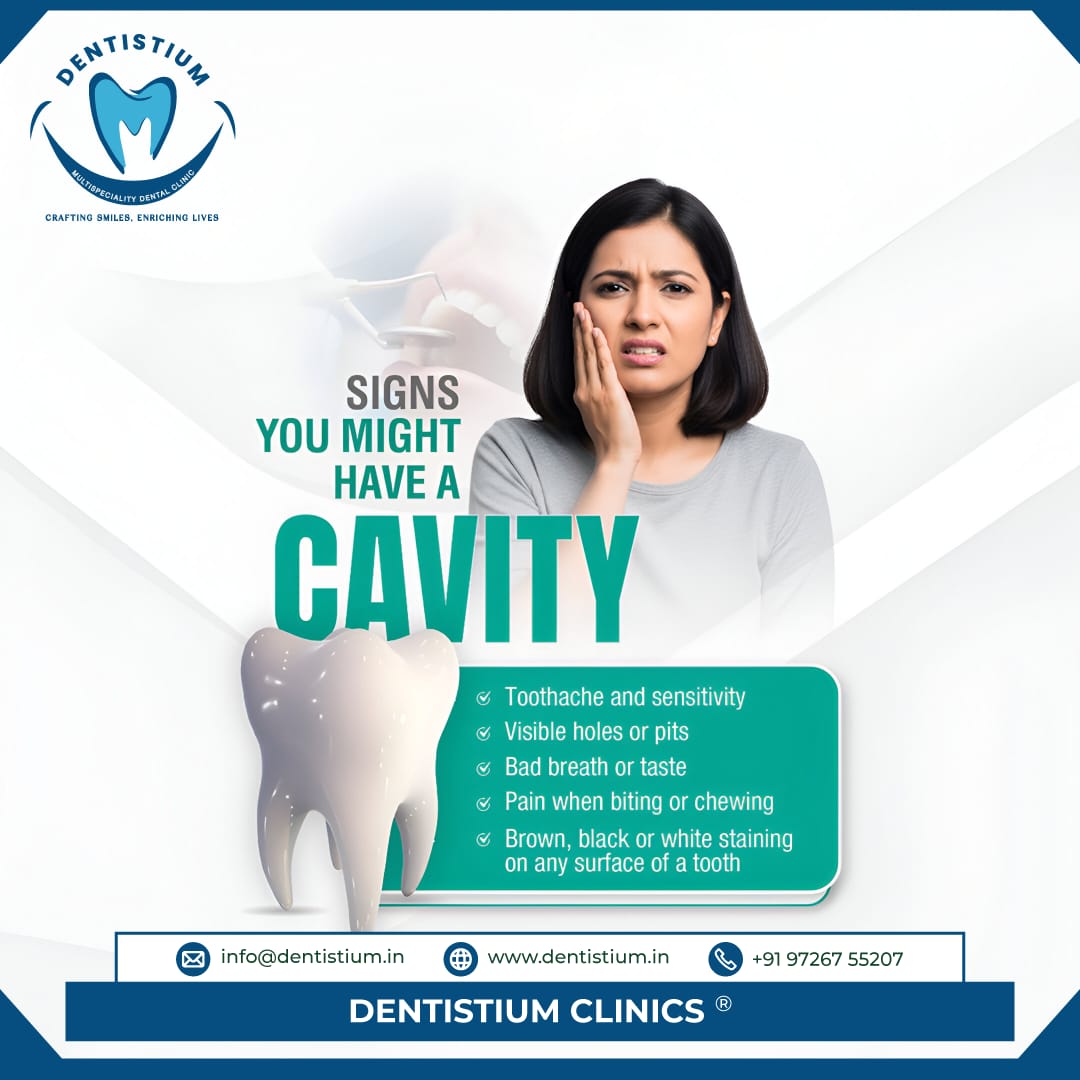
1. Toothache or Tooth Sensitivity

One of the earliest signs of a cavity is sensitivity to hot, cold, sweet, or acidic foods and beverages. As decay progresses, you may experience persistent tooth pain even when you’re not eating or drinking.

2. Visible Holes or Pits in Your Teeth

If you notice small holes, pits, or rough spots on the surface of your teeth, they may indicate tooth decay. These visible changes should be examined by a dental professional as soon as possible.

3. Bad Breath or Unpleasant Taste

Bacteria trapped inside decayed areas can cause persistent bad breath (halitosis) or leave an unpleasant taste in your mouth. If brushing and mouthwash don’t solve the issue, a cavity could be the underlying cause.

4. Pain While Biting or Chewing

Discomfort or sharp pain when chewing food may indicate that decay has reached deeper layers of the tooth. This symptom should not be ignored, as it often signals progressing damage.

5. Tooth Discoloration

Brown, black, or white spots on the surface of a tooth can be early signs of enamel breakdown. While not all stains are cavities, discoloration should be professionally evaluated to determine the cause.

Why Early Treatment Matters

Ignoring a cavity can lead to more serious complications, including:

  • Severe tooth pain

  • Dental infections or abscesses

  • Root canal treatment

  • Tooth fracture

  • Tooth loss

The earlier a cavity is detected, the simpler and more affordable the treatment is likely to be.

How to Prevent Cavities

Maintaining good oral hygiene is the best defense against tooth decay:

  • Brush twice daily with fluoride toothpaste

  • Floss every day

  • Limit sugary foods and drinks

  • Drink plenty of water

  • Visit your dentist regularly for check-ups and cleanings

  • Consider preventive treatments such as fluoride applications and dental sealants

When Should You Visit a Dentist?

If you notice any of the signs mentioned above, don’t wait for the pain to worsen. A dental examination can identify cavities early and help preserve your natural teeth.

Protect Your Smile with Dentistium Clinics

At Dentistium Clinics, our experienced dental team provides comprehensive cavity diagnosis and treatment using advanced technology and patient-centered care. Whether you need a routine check-up, dental filling, or preventive treatment, we’re here to help you maintain a healthy and confident smile.

📞 Call: +91 97267 55207
📧 Email: info@dentistium.in
🌐 Website: www.dentistium.in

Healthy teeth today mean a healthier smile tomorrow! 🦷✨

Bleeding Gums: Causes, Warning Signs & When to See a Dentist

Bleeding gums are a common dental problem that many people ignore—often considering it normal while brushing or flossing. However, healthy gums should never bleed. If you notice blood while brushing, flossing, or eating, it may be a sign that your gums need immediate attention.

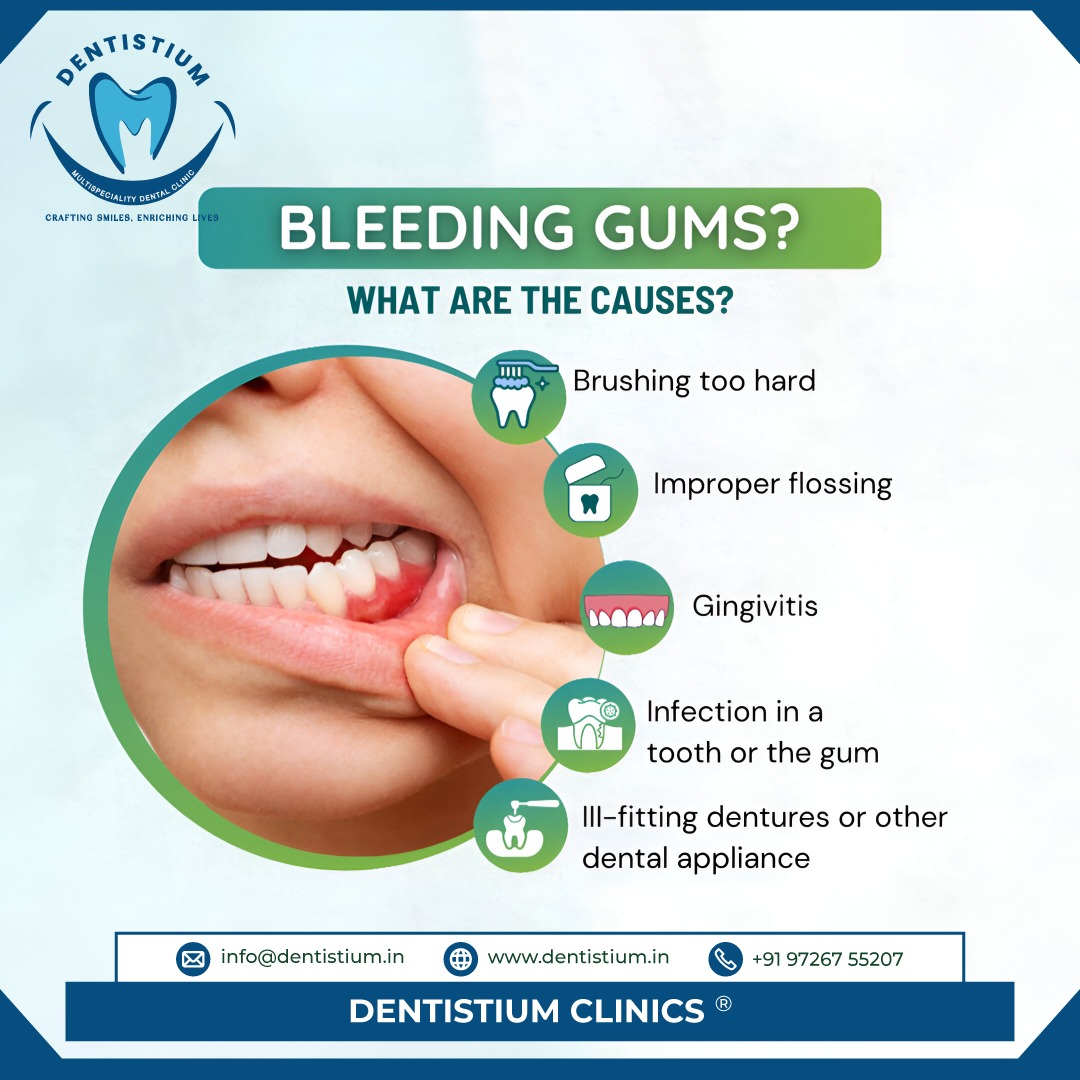
One of the most frequent causes is brushing too hard. Using a hard-bristled toothbrush or aggressive technique can injure delicate gum tissue. Similarly, improper flossing—such as snapping floss into the gums—can cause cuts and bleeding.

Another major reason is gingivitis, the early stage of gum disease. Plaque buildup along the gumline leads to inflammation, redness, swelling, and bleeding. If left untreated, gingivitis can progress to periodontitis, which may result in gum recession and tooth loss.

Bleeding may also occur due to infections in the teeth or gums, including abscesses. Additionally, ill-fitting dentures or dental appliances can irritate gum tissue, causing soreness and bleeding over time.

Other contributing factors may include poor oral hygiene, vitamin deficiencies (especially Vitamin C or K), hormonal changes, certain medications, or systemic health conditions.

When Should You See a Dentist?

You should seek professional care if:

  • Bleeding persists for more than a few days

  • Gums are swollen, tender, or painful

  • You experience bad breath or gum recession

  • Teeth feel loose or sensitive

  • There is pus or signs of infection

How to Prevent Bleeding Gums

  • Brush gently twice daily with a soft-bristled toothbrush

  • Floss carefully once a day

  • Use an antibacterial mouthwash if recommended

  • Maintain regular dental checkups and cleanings

  • Eat a balanced diet rich in vitamins

  • Avoid tobacco products

Early treatment can reverse most gum problems and restore healthy, firm gums. Remember—bleeding is your body’s warning sign. Don’t ignore it; protect your smile with timely dental care.

Cracked Tooth: Symptoms, Causes, and When to See a Dentist

A cracked tooth is a common dental problem that can cause discomfort and, if left untreated, lead to serious oral health issues. Cracks may be tiny and difficult to see, but the symptoms can significantly affect your daily life. Understanding the warning signs early can help you protect your smile and avoid complications.

What Is a Cracked Tooth?

A cracked tooth occurs when there is a fracture in the enamel or deeper layers of the tooth. This can result from biting hard foods, teeth grinding, trauma, or large fillings that weaken the tooth structure.

Common Symptoms of a Cracked Tooth

A cracked tooth doesn’t always cause constant pain, which is why it can be tricky to diagnose. Some of the most common symptoms include:

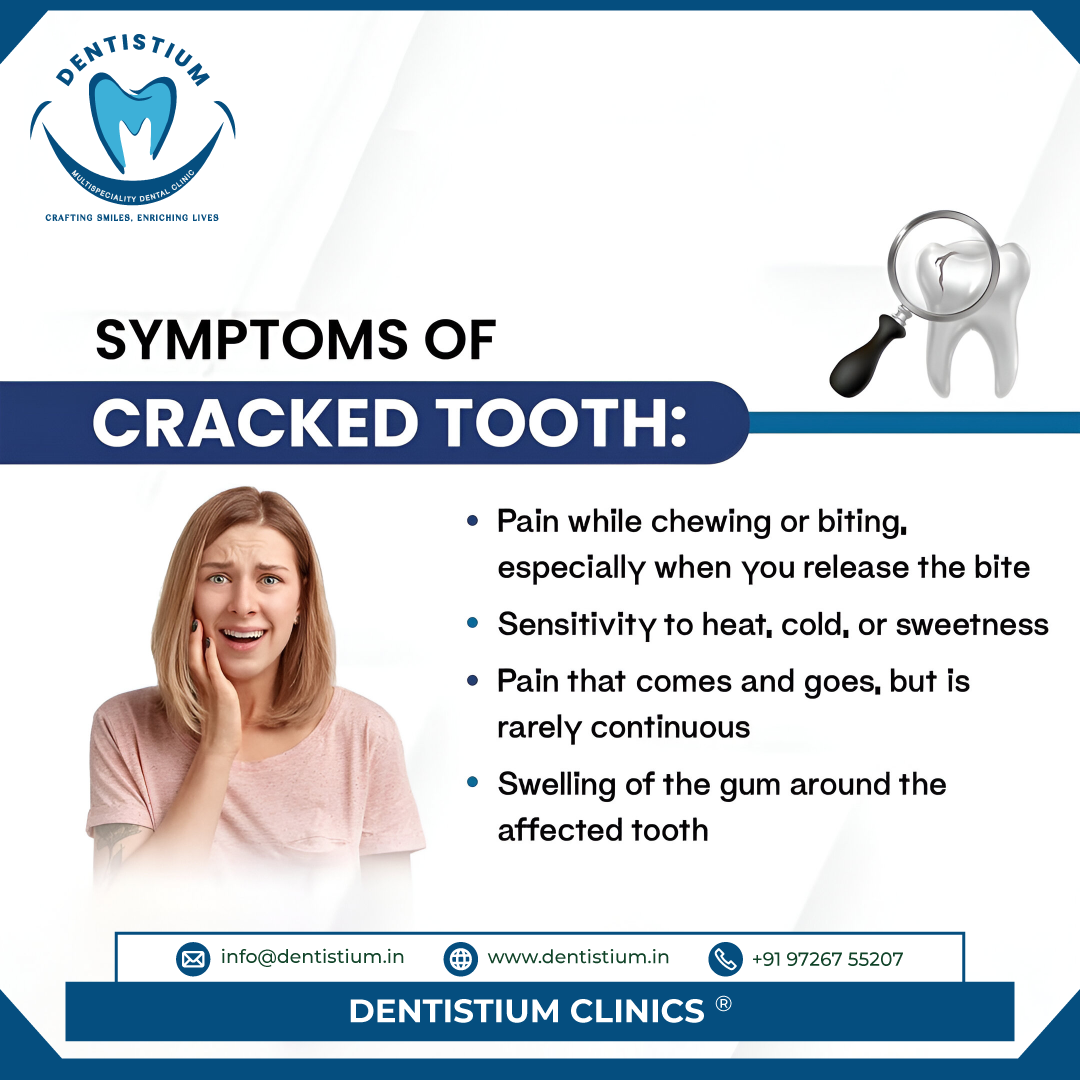
  • Pain while chewing or biting, especially when you release the bite

  • Sensitivity to hot, cold, or sweet foods and drinks

  • Intermittent pain that comes and goes rather than being continuous

  • Swelling or tenderness of the gums around the affected tooth

If you notice any of these signs, it’s important not to ignore them, as the crack can worsen over time.

Why Early Treatment Matters

Leaving a cracked tooth untreated can allow bacteria to enter the inner layers of the tooth, potentially leading to infection, abscess, or even tooth loss. Early diagnosis can often save the tooth with treatments such as dental bonding, crowns, or root canal therapy, depending on the severity.

When Should You See a Dentist?

You should schedule a dental appointment immediately if:

  • Pain occurs repeatedly when chewing

  • Sensitivity lasts more than a few seconds

  • You notice swelling or inflammation around a tooth

  • A tooth feels sharp or uneven with your tongue

How to Prevent a Cracked Tooth

  • Avoid chewing ice, hard candies, or very hard foods

  • Wear a mouthguard if you grind your teeth

  • Don’t use your teeth as tools to open packages

  • Maintain regular dental check-ups

Final Thoughts

A cracked tooth may seem minor at first, but early attention can prevent pain, infection, and costly treatments. If you’re experiencing symptoms, consult a dental professional as soon as possible to protect your oral health and keep your smile strong.

Select your currency
INR Indian rupee
Add to cart