Restore Your Smile with Dental Implants 🦷

Dental Implants: The Permanent Solution for Missing Teeth

A missing tooth is more than just a cosmetic concern—it can affect your confidence, speech, chewing ability, and overall oral health. Fortunately, modern dentistry offers a long-lasting and reliable solution: Dental Implants.

What Are Dental Implants?

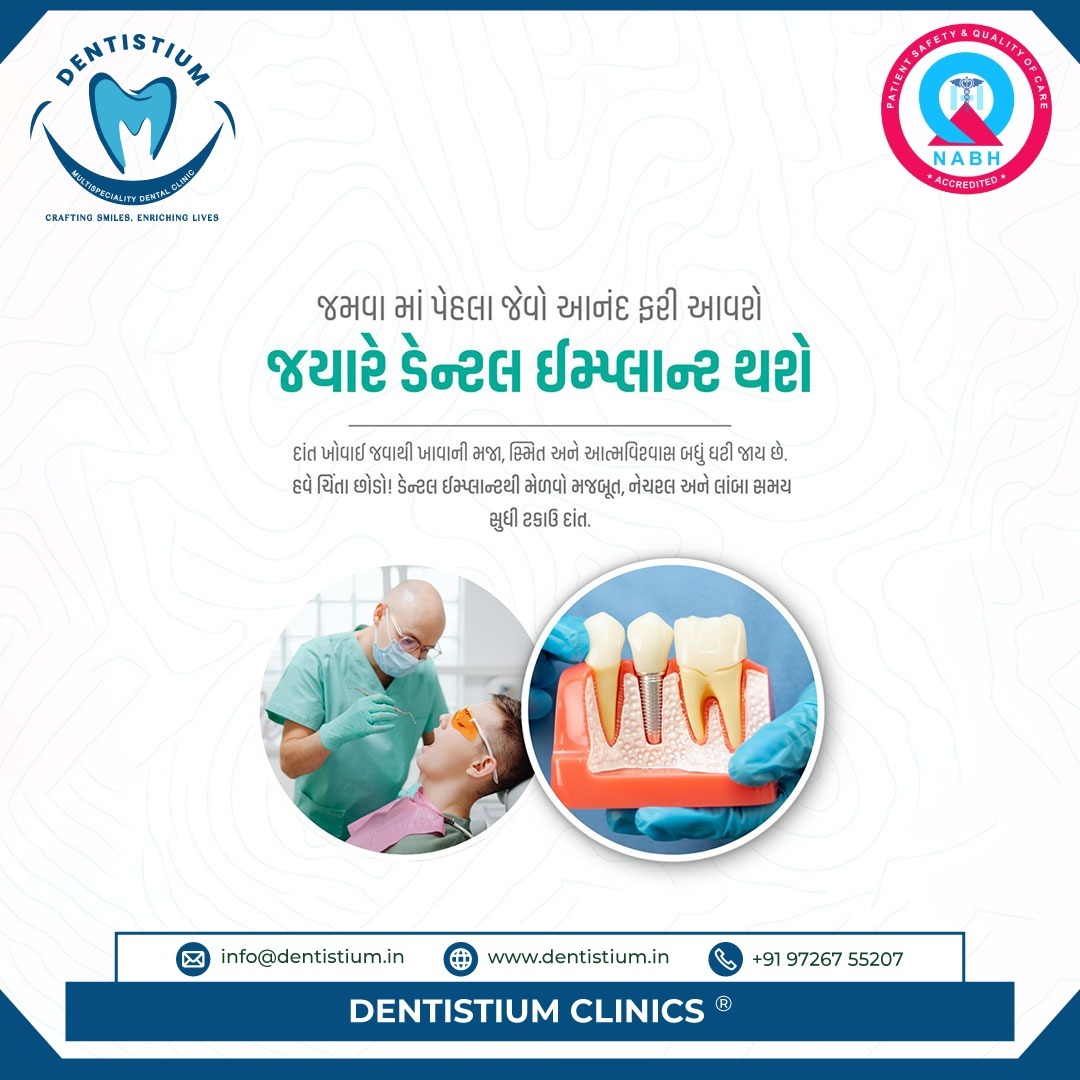
Dental implants are artificial tooth roots made of biocompatible titanium that are surgically placed into the jawbone. Once the implant fuses with the bone, a custom-made crown is attached, creating a tooth that looks, feels, and functions like a natural one.

Why Should Missing Teeth Be Replaced?

Ignoring a missing tooth can lead to several oral health problems, including:

  • Difficulty chewing food properly.
  • Changes in speech and pronunciation.
  • Shifting of adjacent teeth.
  • Jawbone deterioration due to bone loss.
  • Changes in facial appearance over time.
  • Reduced confidence while smiling or speaking.

Replacing missing teeth with dental implants helps prevent these complications and restores your oral health.

Benefits of Dental Implants

1. Natural Appearance

Dental implants are designed to blend seamlessly with your natural teeth, giving you a confident and beautiful smile.

2. Long-Lasting Solution

With proper care and regular dental check-ups, implants can last for decades, making them one of the most durable tooth replacement options.

3. Improved Chewing Ability

Unlike removable dentures, implants provide excellent stability, allowing you to enjoy your favorite foods comfortably.

4. Better Speech

Missing teeth or loose dentures can affect speech. Dental implants help you speak naturally without discomfort.

5. Prevents Bone Loss

Dental implants stimulate the jawbone, helping maintain bone density and preserving your facial structure.

6. Easy Maintenance

Implants require the same care as natural teeth—daily brushing, flossing, and regular dental visits.

Who Is a Good Candidate?

You may be a suitable candidate for dental implants if you:

  • Have one or more missing teeth.
  • Have healthy gums.
  • Have sufficient jawbone to support the implant.
  • Maintain good oral hygiene.
  • Are looking for a permanent tooth replacement solution.

A detailed consultation and digital evaluation will help determine the best treatment plan for you.

Why Choose Dentistium Multispeciality Dental Clinic?

At Dentistium Multispeciality Dental Clinic, we are committed to providing world-class dental care with precision and compassion.

Our advantages include:

  • Experienced implant specialists.
  • Advanced digital diagnostics and treatment planning.
  • NABH-accredited standards for patient safety and quality care.
  • Modern equipment and painless treatment techniques.
  • Personalized treatment plans for every patient.

Restore Your Smile Today

Don’t let missing teeth affect your confidence or quality of life. Dental implants offer a safe, strong, and natural-looking solution that can transform your smile for years to come.

Book your consultation with Dentistium Multispeciality Dental Clinic and take the first step toward a healthier, more confident smile.

📞 Call: +91 97267 55207
🌐 Website: www.dentistium.in
📧 Email: info@dentistium.in

Your smile deserves the best care. Let Dentistium help you smile with confidence! 🦷✨
🎗️ Oral Cancer Can Affect Non-Smokers Too – Know the Signs, Save Lives 🦷

Oral Cancer in Non-Smokers: Breaking the Myth

Oral cancer is often associated with tobacco use, but a common misconception is that only smokers develop this condition. The reality is that oral cancer can affect anyone, including people who have never smoked or used tobacco products. Understanding the risk factors, warning signs, and importance of early detection can help save lives.

The Myth vs. The Reality

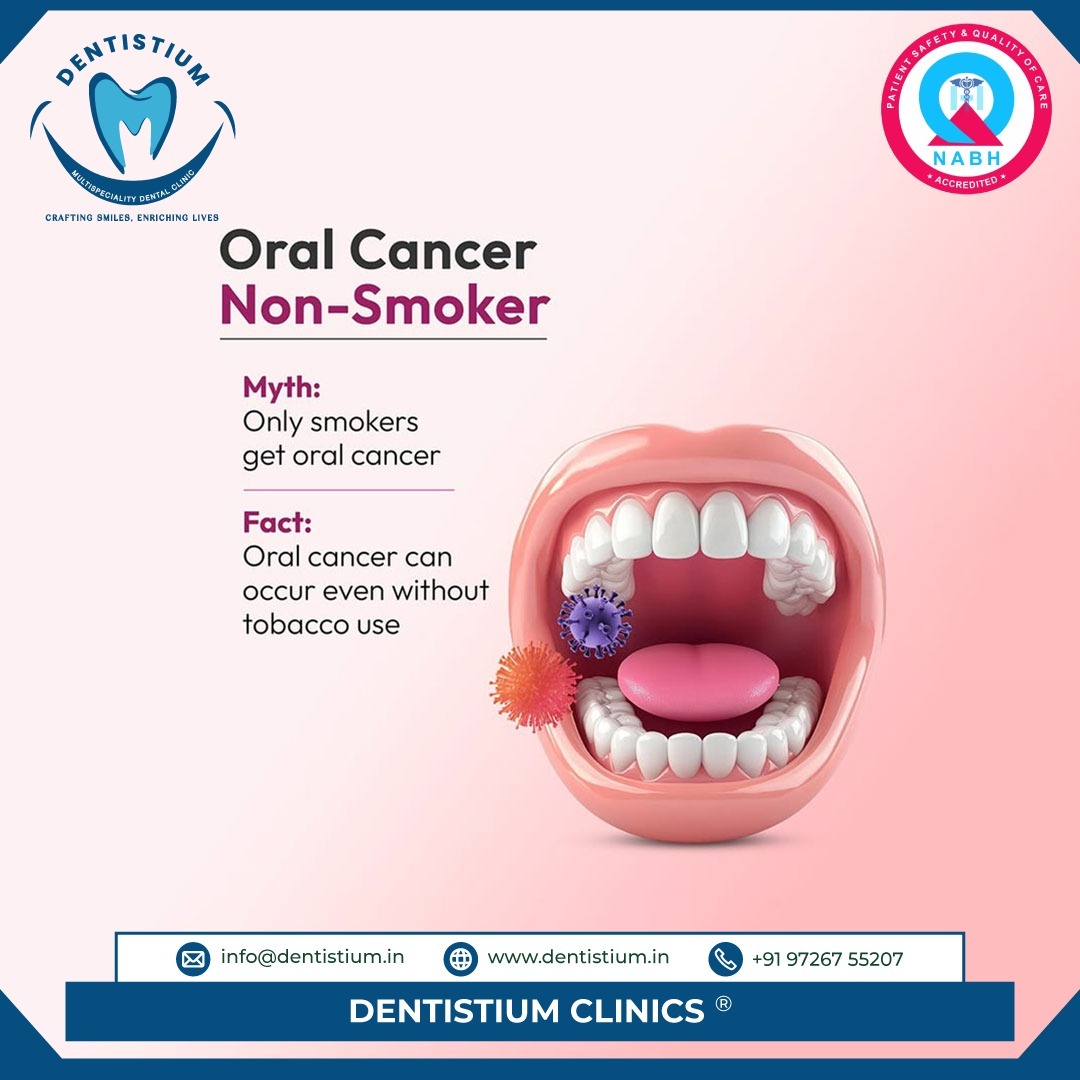
Myth: Only smokers get oral cancer.

Fact: While smoking and tobacco use significantly increase the risk, oral cancer can occur in non-smokers as well. Many individuals diagnosed with oral cancer have no history of tobacco use, highlighting the importance of awareness and regular oral health screenings.

Risk Factors Beyond Tobacco

Several factors can contribute to the development of oral cancer in non-smokers, including:

1. Human Papillomavirus (HPV)

Certain strains of HPV, particularly HPV-16, have been linked to cancers of the mouth and throat.

2. Excessive Alcohol Consumption

Heavy alcohol use can irritate oral tissues and increase cancer risk, especially when combined with other factors.

3. Genetic Predisposition

A family history of cancer may increase an individual’s susceptibility.

4. Poor Oral Health

Chronic irritation from damaged teeth, ill-fitting dentures, or poor oral hygiene may contribute to oral tissue changes.

5. Sun Exposure

Prolonged exposure to ultraviolet (UV) rays can increase the risk of lip cancer.

6. Weakened Immune System

Individuals with compromised immunity may be more vulnerable to various cancers, including oral cancer.

Common Warning Signs

Early detection greatly improves treatment outcomes. Watch for these symptoms:

  • Mouth ulcers that do not heal within two weeks

  • Red or white patches inside the mouth

  • Persistent pain or numbness

  • Difficulty chewing, swallowing, or speaking

  • Unexplained lumps or thickening of oral tissues

  • Loose teeth without a clear dental cause

  • Persistent sore throat or hoarseness

If any of these symptoms persist, seek professional dental or medical evaluation promptly.

Why Regular Dental Check-Ups Matter

Dentists are often the first healthcare professionals to identify suspicious changes in the mouth. Routine dental examinations include oral cancer screenings that can detect abnormalities before symptoms become severe.

Early diagnosis not only improves treatment success rates but also reduces the impact of treatment on a patient’s quality of life.

Prevention and Awareness

Although not all cases of oral cancer can be prevented, individuals can reduce their risk by:

  • Maintaining good oral hygiene

  • Attending regular dental check-ups

  • Limiting alcohol consumption

  • Protecting lips from excessive sun exposure

  • Following a healthy, balanced diet

  • Receiving HPV vaccination when recommended

Final Thoughts

Oral cancer is not exclusive to smokers. Anyone can be affected, regardless of tobacco use history. Awareness of risk factors, recognizing early warning signs, and scheduling regular dental examinations are essential steps toward early detection and better outcomes.

Your oral health is an important part of your overall well-being. Don’t ignore unusual changes in your mouth—early action can make all the difference.

Dentistium Clinics®
Crafting Smiles, Enriching Lives 🦷💙

Keywords: Oral Cancer, Non-Smoker Oral Cancer, Oral Health, Dental Screening, Early Detection, Mouth Cancer Awareness, Preventive Dentistry, HPV and Oral Cancer, Dental Care, Cancer Prevention.

Denture Care: How to Clean Them Properly

Denture Care: How to Clean Them Properly

Denture care is important for maintaining your oral health and ensuring that your dentures last as long as possible. Proper cleaning not only keeps your dentures looking good but also helps prevent bacteria and plaque buildup, which can lead to bad breath and infections.

Why Clean Your Dentures?

Just like natural teeth, dentures need regular cleaning. Here are a few reasons
why keeping your dentures clean is essential:

  1. Prevents Bacteria Buildup: Food particles and plaque can build up on your
    dentures if they are not cleaned regularly. This can lead to bad breath and
    infections.
  2. Maintains Appearance: Regular cleaning keeps your dentures looking bright
    and fresh, avoiding discoloration.
  3. Ensures Comfort: Clean dentures fit better and feel more comfortable. Dirty
    dentures can cause irritation and discomfort in your mouth.
  4. Promotes Oral Health: Good denture care helps maintain your overall oral
    health, reducing the risk of gum disease and other dental issues.

Steps for Proper Denture Cleaning

Cleaning your dentures is simple and can be done at home. Here are the steps
to follow:

  1. Rinse After Eating
    After every meal, it is essential to rinse your dentures. Simply take them out and
    rinse them under lukewarm water. This helps remove food particles and prevents
    them from sticking to your dentures.
  2. Use a Soft-Bristled Brush
    When cleaning your dentures, use a soft-bristled brush designed specifically
    for dentures. Regular toothbrushes may be too harsh and can scratch the surface
    of the dentures
    • Hold the Dentures Carefully: Make sure you have a firm grip on the
      dentures to prevent them from slipping out of your hands and breaking.
    • Brush Gently: Gently brush all surfaces of the dentures, including the
      chewing surfaces and the gum line. Make sure to clean any areas where
      food particles may hide.
  3. Use Denture Cleaner
    It is essential to use a cleaner that is specifically designed for dentures. Avoid
    using regular toothpaste, as it may contain abrasive ingredients that can
    damage the dentures.
    • Soak in Cleaning Solution: Follow the instructions on the denture cleaner
      packaging. Most denture cleaners come in tablet form, which you can
      dissolve in water. Soak your dentures for the recommended time, usually
      around 15-30 minutes.
    • Rinse Thoroughly: After soaking, rinse the dentures thoroughly with
      lukewarm water to remove any remaining cleaning solution.
  4. Clean Your Mouth
    While cleaning your dentures, do not forget to take care of your mouth. Use a
    soft brush or cloth to clean your gums, tongue, and any remaining teeth. This
    helps remove bacteria and keeps your mouth healthy.
  5. Store Properly
    When you are not wearing your dentures, it is important to store them properly.
    • Keep Them Moist: Always keep your dentures in a solution that keeps
      them moist. You can use a denture cleaning solution or plain water. Never
      let them dry out, as this can cause them to warp and lose their shape.
    • Avoid Hot Water: Do not store your dentures in hot water, as it can warp
      the material.
  6. Regular Dental Checkups
    Regular visits to your dentist are crucial for maintaining your oral health. Your
    dentist can check the fit of your dentures and ensure they are in good condition.
    They can also provide additional cleaning tips and recommendations tailored
    to your specific needs.

Additional Tips for Denture Care

  • Avoid Hard Foods: Be cautious with hard or sticky foods, as they can damage
    your dentures. Cut food into smaller pieces and chew carefully.
  • Use Adhesive Wisely: If you use denture adhesive, apply it correctly and
    remove it thoroughly during cleaning to maintain comfort and fit.
  • Be Gentle: Always handle your dentures gently to avoid breaking or damaging
    them. If they are cracked or damaged, visit your dentist for repairs.

Cleaning your dentures properly is essential for your oral health and comfort.
By following these simple steps, you can keep your dentures clean, fresh, and in
good condition. Remember to rinse after meals, use a soft brush and denture
cleaner, and store them properly when not in use. With a little care, your dentures
can last for many years, giving you a beautiful smile and confidence. Don’t
forget to visit your dentist regularly for checkups and professional cleaning to
ensure your oral health remains in top shape!

183,467 hits

  .   

Most Searched Pharmacy products on our site

 .   

 .   

Select your currency
INR Indian rupee
Add to cart