What is Root Canal Treatment?
What Is a Root Canal?
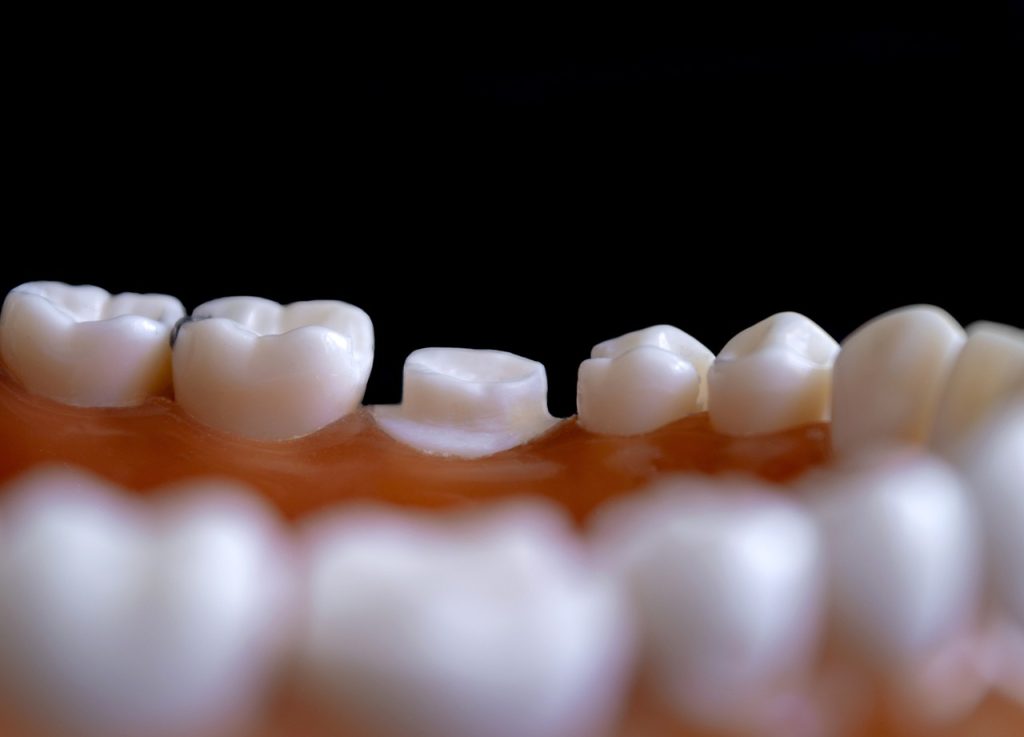
A root canal treatment is a dental procedure to remove infected or inflamed pulp inside a tooth. This process includes careful cleaning, disinfection, filling, and sealing to eliminate bacteria and prevent reinfection, ultimately saving the natural tooth.
The term “root canal” refers to the hollow part of a tooth containing nerve tissue, blood vessels, and pulp. Despite its essential role in tooth nourishment and sensitivity, infection may necessitate endodontic therapy, commonly known as a root canal procedure.
Performed by dentists or endodontists under local anesthesia, this procedure is crucial for relieving pain and maintaining dental health. Understand the significance of root canal treatments in preserving your natural teeth and oral well-being.
Follow-up after Your Root Canal
Before beginning treatment, your dentist or endodontist will take dental X-rays of the
affected tooth and may conduct tests to determine the condition of the tooth pulp. During
the root canal procedure, they will:
- Anesthesia and Preparation: Administer local anesthesia and may provide medications
for relaxation if needed. - Dental Dam Placement: Use a dental dam to isolate the tooth and keep it dry.
- Pulp Removal: Remove the infected or inflamed pulp from the tooth’s root canals using
specialized instruments. - Cleaning and Disinfection: Thoroughly clean and disinfect the root canals to eliminate
bacteria. - Filling and Sealing: Fill the root canals with gutta-percha, a rubber-like material, and
seal the tooth with a temporary filling. - Crown Placement: Complete the procedure with a permanent crown to protect and
restore the tooth’s function.
What Happens after a Root Canal?
After the procedure, expect some soreness and swelling, which can be managed with
over-the-counter pain medications. Avoid chewing on the treated tooth until it’s fully
restored. Follow-up with your dentist within a few days for X-rays and to replace the
temporary filling with a permanent one or crown.
Risks and Benefits
- Benefits: Root canals save teeth from extraction and prevent further complications like
infections or jawbone damage. - Risks: Potential risks include incomplete infection removal or tooth damage, which may
require retreatment or extraction.
Recovery and Maintenance
- Recovery Time: Typically less than a week; contact your dentist if pain persists.
- Self-Care Tips: Eat soft foods, avoid chewing on the treated tooth, quit smoking
temporarily, and maintain good oral hygiene.
Proper follow-up care ensures the success and longevity of your root canal treatment,
preserving your oral health effectively.
Notifications
- Dental Health Awareness & Check-up Camp Successfully Organized at Swati Parkside Applewood, ShelaDental Health Awareness & Check-up Camp Successfully Organized at Swati …
- Official IITGN Empanelment by DentistiumDentistium Clinics Empanelled with IIT Gandhinagar: Advancing Quality Dental Care …
- Dentistium Sports Evening 2026 – A Celebration of Team Spirit, Energy & Togetherness🏆 Dentistium Sports Evening 2026 – A Celebration of Team …
Read More "Dentistium Sports Evening 2026 – A Celebration of Team Spirit, Energy & Togetherness"
Recent Posts
- Straighten Your Smile with Invisalign® Clear Aligners | DENTISTIUM Clinics
Invisalign® Clear Aligners: The Invisible Way to a Confident SmileThey …Read More "Straighten Your Smile with Invisalign® Clear Aligners | DENTISTIUM Clinics"
- More Than Treatment—A Smile That Transforms Confidence ✨
More Than Treatment—A Smile That Transforms Confidence A smile is …Read More "More Than Treatment—A Smile That Transforms Confidence ✨"
- Healthy Gums, Healthy Smile – Know the Signs Before It’s Too Late! 🦷✨
Signs You Need Gum Treatment: Don’t Ignore These Warning Signals Your gums play a crucial role in maintaining a healthy smile. While many people focus on their teeth, healthy gums are equally important for strong oral health. Gum disease often develops silently, and if left untreated, it can lead to serious complications such as tooth loss, bone damage, and persistent oral infections. Recognizing the early signs of gum problems can help you seek treatment before the condition becomes severe.
- July 2026 (7)
- June 2026 (18)
- May 2026 (10)
- April 2026 (14)
- March 2026 (11)
- February 2026 (17)
- January 2026 (8)
- December 2025 (11)
- November 2025 (4)
- October 2025 (4)
- September 2025 (8)
- August 2025 (7)
- July 2025 (6)
- June 2025 (5)
- May 2025 (53)
- April 2025 (2)
- March 2025 (3)
- January 2025 (2)
- November 2024 (1)
- April 2024 (1)
179,938 hits
.
Most Searched Pharmacy products on our site
Experience powerful oral care with the PRO200V PORCLEAN Water Flosser....
.
.