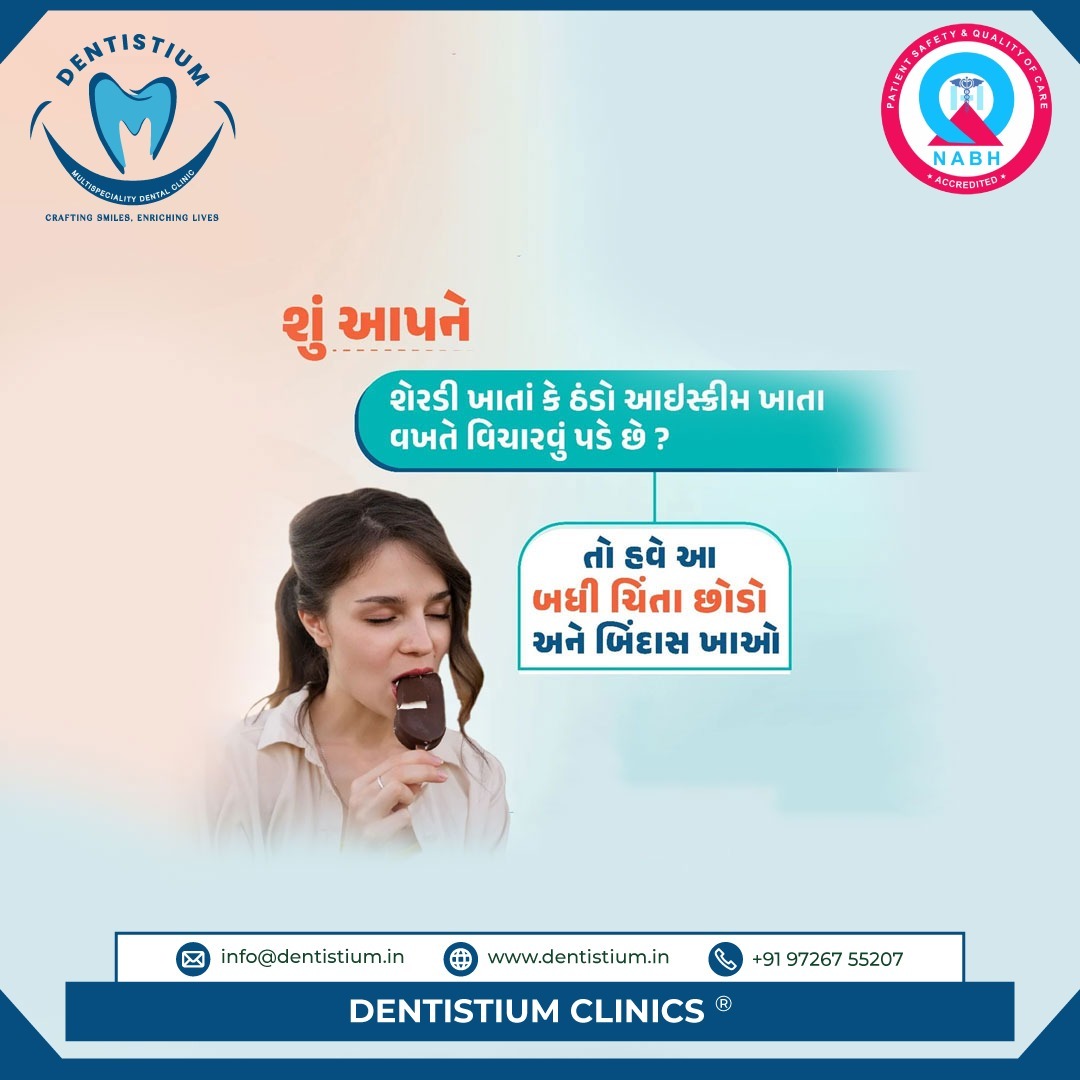
ઠંડી વસ્તુ ખાતા કે પીતા દાંતમાં ઝણઝણાટી થાય છે? હવે ચિંતા છોડો! 🦷✨

શું તમને ઠંડી વસ્તુઓ ખાતા કે પીતા દાંતમાં ઝણઝણાટી થાય છે?

ઘણા લોકો આઇસ્ક્રીમ, ઠંડું પાણી, કોલ્ડ ડ્રિંક્સ અથવા મીઠી વસ્તુઓ ખાતા-પીતા સમયે દાંતમાં અચાનક ઝણઝણાટી કે તીવ્ર દુખાવાનો અનુભવ કરે છે. આ સમસ્યાને દાંતની સંવેદનશીલતા (Tooth Sensitivity) કહેવામાં આવે છે. શરૂઆતમાં સામાન્ય લાગતી આ સમસ્યા સમય જતાં વધુ ગંભીર બની શકે છે અને દૈનિક જીવનને અસર કરી શકે છે.

દાંતમાં સંવેદનશીલતા કેમ થાય છે?

દાંતની બહારની સુરક્ષાત્મક પરત (Enamel) ઘસાઈ જવાથી અથવા પેઢાં પાછળ ખસી જવાથી દાંતનો અંદરનો ભાગ (Dentin) ખુલ્લો પડી જાય છે. પરિણામે ઠંડી, ગરમ, મીઠી અથવા ખાટી વસ્તુઓના સંપર્કમાં આવતા દાંતમાં દુખાવો અથવા ઝણઝણાટી થાય છે.

મુખ્ય કારણો

  • ખૂબ જ જોરથી બ્રશ કરવું

  • દાંતમાં કીડ (Cavity)

  • પેઢાંની બીમારીઓ

  • દાંત ઘસવાની આદત (Teeth Grinding)

  • તૂટેલા અથવા ફાટેલા દાંત

  • એસિડિક ખોરાક અને પીણાંનું વધુ સેવન

  • લાંબા સમયથી દાંતની યોગ્ય સફાઈ ન કરવી

આ સમસ્યાને અવગણશો નહીં

જો તમને વારંવાર ઠંડી કે ગરમ વસ્તુઓ ખાતા-પીતા દાંતમાં દુખાવો થાય છે, તો તે કોઈ અંદરની ડેન્ટલ સમસ્યાનો સંકેત હોઈ શકે છે. સમયસર ડેન્ટલ ચેકઅપ કરાવવાથી સમસ્યાનું મૂળ કારણ જાણી યોગ્ય સારવાર મેળવી શકાય છે.

સંવેદનશીલ દાંત માટે શું કરવું?

  • Sensitivity માટે બનાવેલી ટૂથપેસ્ટનો ઉપયોગ કરો.

  • સોફ્ટ બ્રિસલવાળા બ્રશથી દાંત સાફ કરો.

  • ખૂબ ઠંડી અને એસિડિક વસ્તુઓનું સેવન મર્યાદિત કરો.

  • નિયમિત ડેન્ટલ ચેકઅપ કરાવો.

  • ડેન્ટિસ્ટની સલાહ મુજબ ફ્લોરાઈડ અથવા અન્ય પ્રોફેશનલ ટ્રીટમેન્ટ લો.

Dentistium Clinics સાથે નિર્ભય સ્મિત

Dentistium Clinics ખાતે અમે દાંતની સંવેદનશીલતાનું આધુનિક પદ્ધતિઓ દ્વારા નિદાન અને સારવાર કરીએ છીએ. અમારા નિષ્ણાત ડેન્ટિસ્ટ તમારી સમસ્યાનું મૂળ કારણ શોધી વ્યક્તિગત સારવાર પ્રદાન કરે છે જેથી તમે ફરીથી મનપસંદ ઠંડી વસ્તુઓનો આનંદ લઈ શકો.

દાંતમાં ઝણઝણાટી કે દુખાવાને સામાન્ય ન માનો. આજે જ ડેન્ટલ ચેકઅપ કરાવો અને સ્વસ્થ, મજબૂત સ્મિત તરફ એક પગલું ભરો! 🦷✨
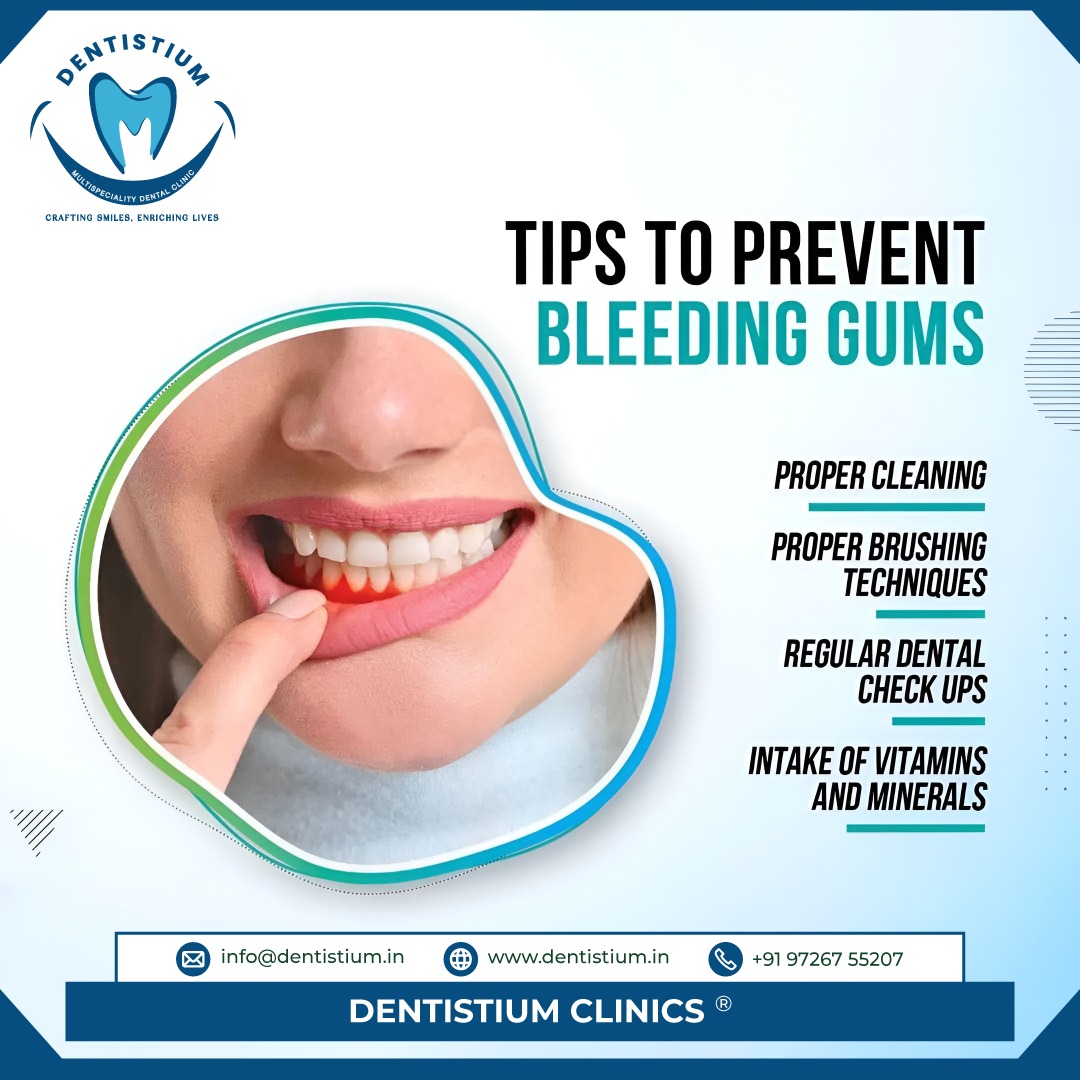
Healthy Gums, Healthy Smile – Tips to Prevent Bleeding Gums

Tips to Prevent Bleeding Gums and Maintain Healthy Oral Hygiene

Bleeding gums are one of the most common signs that your gums may not be healthy. Many people notice slight bleeding while brushing or flossing and often ignore it, thinking it is normal. However, healthy gums should not bleed regularly. Bleeding gums can be an early warning sign of gum disease, poor oral hygiene, vitamin deficiencies, or incorrect brushing techniques.

Taking proper care of your gums is essential because healthy gums are the foundation of strong teeth and a confident smile. With a few simple habits and regular dental care, you can prevent gum problems and maintain excellent oral health.

What Causes Bleeding Gums?

There are several reasons why gums may bleed, including:

  • Poor oral hygiene leading to plaque buildup

  • Gingivitis or early gum disease

  • Brushing too hard

  • Lack of flossing

  • Vitamin C or Vitamin K deficiency

  • Smoking or tobacco use

  • Hormonal changes

  • Certain medical conditions

If bleeding continues for a long time, it is important to consult a dental professional for proper evaluation and treatment.

Tips to Prevent Bleeding Gums

1. Practice Proper Oral Hygiene

Brush your teeth at least twice a day using a soft-bristled toothbrush and fluoride toothpaste. Proper cleaning helps remove plaque and bacteria that cause gum irritation.

2. Use Correct Brushing Techniques

Avoid aggressive brushing, as it can damage gum tissues. Use gentle circular motions while brushing to clean your teeth effectively without harming your gums.

3. Floss Daily

Flossing removes food particles and plaque from areas where a toothbrush cannot reach. Daily flossing helps reduce gum inflammation and prevents bleeding.

4. Visit Your Dentist Regularly

Regular dental check-ups and professional cleanings help detect gum problems early and keep your gums healthy. Preventive care is the best way to avoid serious dental issues.

5. Maintain a Healthy Diet

Include foods rich in vitamins and minerals, especially Vitamin C and calcium, to strengthen gums and teeth. Drinking plenty of water also supports good oral health.

6. Avoid Tobacco Products

Smoking and tobacco use can weaken gums, increase plaque buildup, and slow down healing. Quitting tobacco significantly improves gum health.

When Should You Visit a Dentist?

You should visit a dentist if you experience:

  • Persistent bleeding gums

  • Swollen or red gums

  • Bad breath

  • Pain while chewing

  • Loose teeth

Ignoring these symptoms may lead to advanced gum disease and tooth loss.

Conclusion

Bleeding gums should never be ignored. Early prevention and proper dental care can help maintain strong gums and a healthy smile for years to come. Following good oral hygiene habits, eating a nutritious diet, and scheduling regular dental check-ups are the keys to preventing gum disease.

At DENTISTIUM CLINICS, we are committed to providing advanced and compassionate dental care to help you achieve optimal oral health.

Crafting Smiles, Enriching Lives..

Select your currency
INR Indian rupee
Add to cart