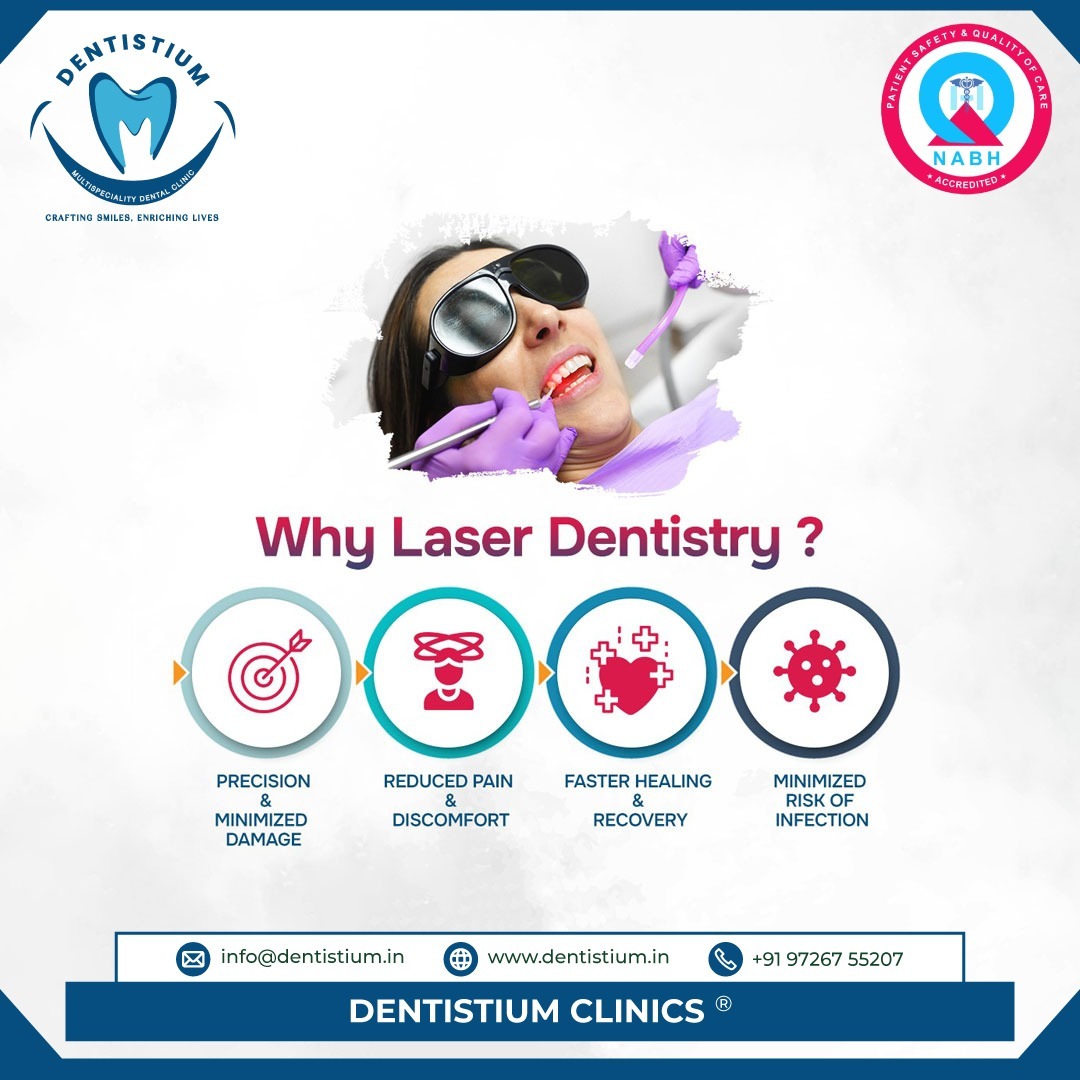
Why Laser Dentistry is Better! 🤔💡
- 🌐 Website: www.dentistium.in
- 📧 Email: info@dentistium.in
- 📞 Phone: +91 97267 55207
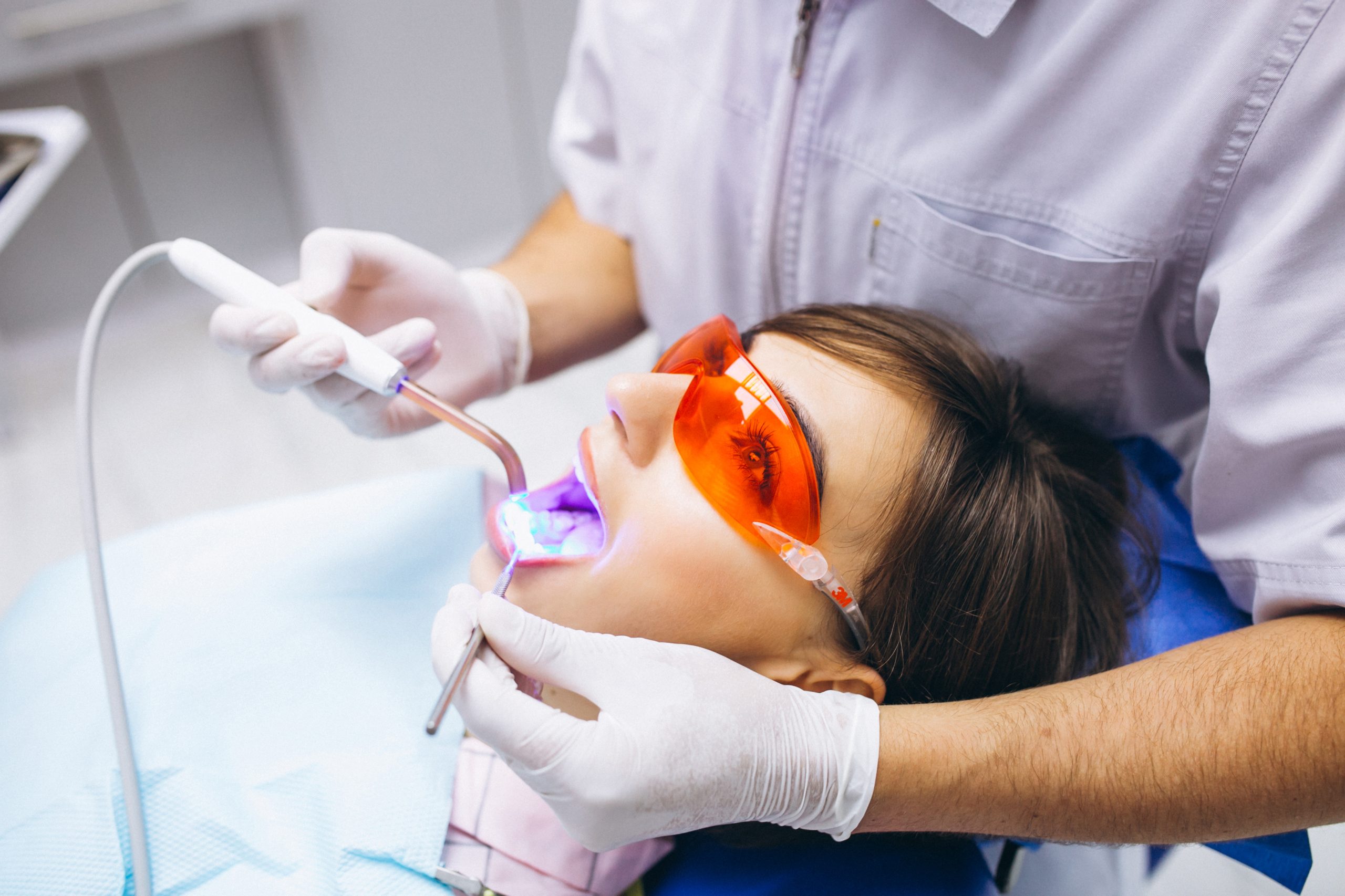
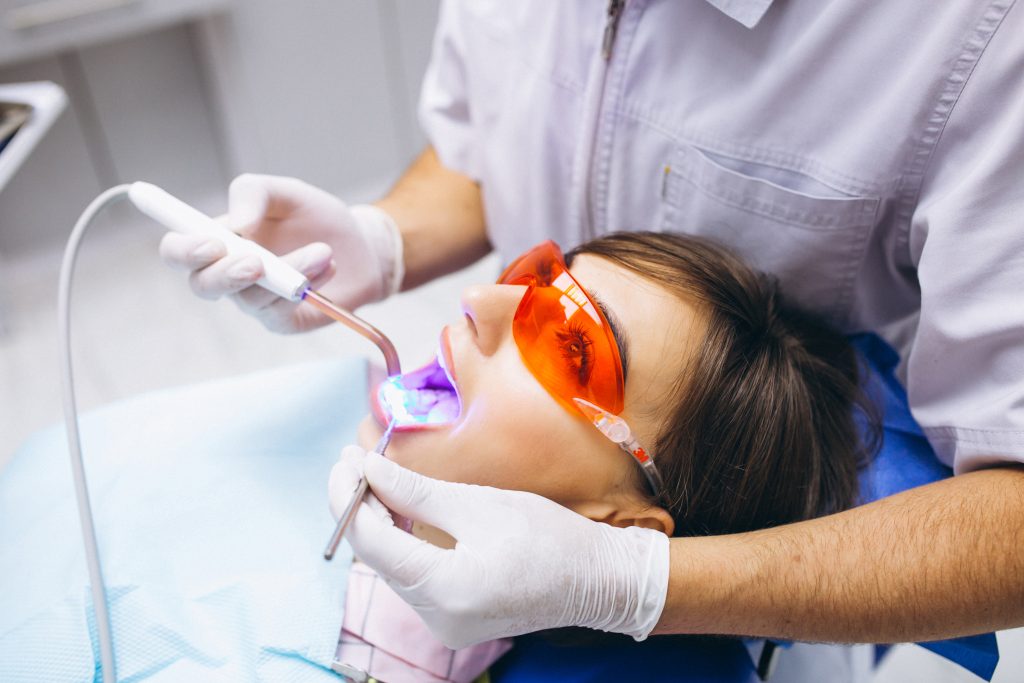
As technology advances, so does modern dentistry. One of the most exciting innovations in the field is laser dental treatment, a minimally invasive, precise, and often pain-free alternative to traditional dental procedures. Whether you’re dealing with gum disease, tooth decay, or cosmetic concerns, laser dentistry offers cutting-edge solutions that prioritize comfort and efficiency.
In this blog, we’ll explore what laser dental treatment involves, its benefits, common uses, and what to expect during a laser procedure.
Laser dentistry involves the use of focused light beams—lasers—to perform a variety of dental treatments. LASER stands for Light Amplification by Stimulated Emission of Radiation. These devices generate a narrow, concentrated beam of light that can remove or reshape tissue with high precision.
There are two main types of dental lasers:
Hard tissue lasers – Used for teeth (e.g., removing decay, shaping enamel)
Soft tissue lasers – Used for gums and other soft tissues (e.g., treating gum disease)
Laser technology is versatile and can be used for both restorative and cosmetic dental procedures, including:
Lasers can detect early tooth decay and precisely remove decay before filling.
Lasers can remove infected gum tissue, kill bacteria, and promote faster healing with less discomfort.
Used in cosmetic procedures to reshape or remove excess gum tissue (a “gummy smile”).
Lasers activate whitening agents faster and more effectively than conventional methods.
Lasers can remove soft tissue lesions or take tissue samples for biopsy with minimal bleeding.
Lasers can seal tubules on the tooth root, reducing sensitivity to hot or cold.
Laser treatments are less invasive, often eliminating the need for drills or scalpels.
Many laser procedures require little or no anesthesia, and patients report less post-treatment pain.
Laser dentistry promotes faster tissue regeneration and healing with minimal swelling or bleeding.
Lasers allow dentists to target specific areas with incredible accuracy, preserving healthy tissue.
The laser sterilizes as it works, reducing the risk of bacterial infections.
Laser dental treatments are generally comfortable and quick. Here’s what you can typically expect:
A local anesthetic may or may not be needed.
You’ll wear protective eyewear during the procedure.
The laser device will be used to perform the treatment with minimal noise or vibration.
Most patients experience little to no discomfort during or after the procedure.
Recovery time is typically shorter than with traditional methods.
Laser dentistry is suitable for many patients, especially those who:
Experience anxiety with drills or needles
Have sensitive gums or teeth
Prefer minimally invasive treatments
Are undergoing cosmetic gum or whitening procedures
However, not every dental issue can be treated with lasers. Your dentist will evaluate your needs and determine the best course of treatment.
Laser dental treatment is transforming the way patients experience dentistry—offering a blend of precision, comfort, and faster recovery. Whether you’re seeking cosmetic enhancement or advanced treatment for gum disease, laser dentistry could be the gentle, high-tech solution you’ve been looking for.
Talk to your dentist today about whether laser treatment is right for your smile.
Read More "DENTISTIUM Multispeciality Dental Clinic is Now Officially Empaneled with BSNL"

Read More "Your Enamel Needs Protection: Simple Steps for a Stronger, Healthier Smile 🦷"

Read More "Straighten Your Smile with Invisalign® Clear Aligners | DENTISTIUM Clinics"

Read More "More Than Treatment—A Smile That Transforms Confidence ✨"
180,184 hits
.
Experience powerful oral care with the PRO200V PORCLEAN Water Flosser....
.
.
The field of dentistry has seen remarkable advancements over the years. Thanks to new technologies, dental procedures are now faster, more efficient, and far less painful. These innovations are making trips to the dentist easier, helping to improve both dental care and patient comfort. From digital diagnostics to laser treatments, modern dentistry is becoming a sophisticated blend of technology and health care.
In this blog post, we will explore the major advancements in dental technology that are transforming oral care.
One of the most significant advancements in dental technology is the use
of digital X-rays. Traditional X-rays required a lengthy process involving film
development, which exposed patients to higher levels of radiation. Digital
X-rays, on the other hand, are safer and quicker.
With digital X-rays, the dentist can see the images almost immediately,
allowing them to diagnose issues such as cavities, bone loss, or impacted
teeth faster. The reduced radiation exposure makes this a healthier option
for patients, and the high-resolution images help dentists detect problems
that may not be visible to the naked eye.
3D printing has revolutionised many industries, and dentistry is no exception.
This technology allows dentists to create custom-made dental appliances
like crowns, bridges, and dentures much faster. What used to take weeks
can now be done in a matter of hours.
Dentists can use 3D printers to design models that fit patients perfectly,
reducing the need for multiple adjustments. This precision not only saves
time but also increases patient comfort by providing a better fit. 3D printing
is also more cost-effective for both dental practices and patients, offering a
quicker, less expensive alternative to traditional manufacturing methods.
Lasers have become a game-changer in dental procedures. Laser dentistry
can be used in a variety of treatments, from cavity removal to gum
reshaping, and even in teeth whitening. Lasers offer greater precision, which
means less damage to surrounding tissues.
One of the biggest advantages of laser dentistry is the reduced need for
anesthesia. In many cases, patients can undergo treatments without being
numbed. Healing times are faster as well since the laser minimizes bleeding
and swelling. Laser technology is especially useful for patients who may
have anxiety about traditional dental drills.
Gone are the days when patients had to bite down on a messy mold to
create impressions of their teeth. Intraoral scanners now allow dentists to
take digital impressions, which are faster and more comfortable for the
patient. These scanners create 3D images of the patient’s teeth, which
can then be used for planning treatments such as braces, crowns, or
implants.
The digital files from intraoral scanners are incredibly accurate, allowing
for better results in restorative treatments. Additionally, because the scans
are stored digitally, they can be shared easily with other dental professionals
or used for future treatment planning.
Teledentistry has grown significantly, especially following the COVID-19
pandemic. This technology allows patients to consult with their dentist via
video calls or online platforms. For individuals who have difficulty making
regular trips to the dental office, such as those in rural areas or those with
busy schedules, teledentistry provides an excellent solution.
Through teledentistry, patients can get consultations, diagnoses, and even
treatment plans without needing to leave their homes. It also allows dentists
to monitor ongoing treatments, reducing the need for in-person follow-up
visits. While not all dental problems can be addressed virtually, teledentistry
serves as a convenient and accessible option for basic dental care.
Computer-Aided Design (CAD) and Computer-Aided Manufacturing (CAM)
are technologies that allow dentists to design and produce dental
restorations like crowns and veneers in a single visit. In the past, creating
such restorations required multiple appointments and temporary solutions
while waiting for the final product.
With CAD/CAM technology, the dentist takes a digital scan of the patient’s
teeth, uses software to design the restoration, and then mills it right in the
office. The entire process is much faster, and the accuracy of the technology
ensures that the restoration will fit perfectly.
Dental implants are not new, but advancements in implant technology have
made them more reliable and accessible. Today’s implants are designed to
fuse more effectively with the jawbone, providing a stable foundation for
artificial teeth. The materials used in implants are also more biocompatible,
reducing the risk of rejection.
Furthermore, the use of 3D imaging and guided surgery allows for more
accurate placement of implants, increasing the success rate of the
procedure. Dental implants have become a preferred solution for missing
teeth, offering a permanent, natural-looking alternative to dentures.
Artificial Intelligence (AI) is beginning to play a role in dentistry as well. AI
algorithms can analyze dental images and detect issues like cavities, gum
disease, or even early signs of oral cancer. This helps dentists provide a
more accurate diagnosis and create more effective treatment plans.
AI is also being used to streamline administrative tasks in dental offices,
such as scheduling appointments and managing patient records. This frees
up time for dentists and staff to focus on providing better patient care.
Advancements in dental technology have significantly improved the quality
of care patients receive. Whether it’s faster diagnostics, less invasive
treatments, or the convenience of teledentistry, these innovations are
making dental visits more efficient and comfortable. As technology
continues to evolve, we can expect even more breakthroughs that will
further enhance oral health care and patient satisfaction.
Staying up to date with these advancements ensures that both patients
and dental professionals can benefit from the latest tools and techniques
in modern dentistry. The future of dental care looks bright, and with these
innovations, maintaining a healthy smile has never been easier.
Read More "DENTISTIUM Multispeciality Dental Clinic is Now Officially Empaneled with BSNL"

Read More "Your Enamel Needs Protection: Simple Steps for a Stronger, Healthier Smile 🦷"

Read More "Straighten Your Smile with Invisalign® Clear Aligners | DENTISTIUM Clinics"

Read More "More Than Treatment—A Smile That Transforms Confidence ✨"
180,184 hits
.
Experience powerful oral care with the PRO200V PORCLEAN Water Flosser....
.
.
Laser dental treatment involves the use of focused light beams (lasers) to perform
various dental procedures. These lasers are incredibly precise, targeting only the affected
areas while leaving surrounding tissues untouched. This makes the treatment not only
effective but also minimally invasive.
There are two main types of lasers used in dentistry:
Why is laser dentistry considered the future of modern dental care? Here are some
compelling reasons:
Laser technology is versatile and can be used for various dental procedures, including:
Root Canal Therapy: They help disinfect root canals, ensuring a more thorough cleaning
process.
At Dentistium, we prioritize patient comfort and long-term oral health. Our team of skilled
professionals has extensive experience with laser technology, ensuring every procedure is
safe and effective. Here’s why you should consider us for your laser dental needs:
Read More "DENTISTIUM Multispeciality Dental Clinic is Now Officially Empaneled with BSNL"

Read More "Your Enamel Needs Protection: Simple Steps for a Stronger, Healthier Smile 🦷"

Read More "Straighten Your Smile with Invisalign® Clear Aligners | DENTISTIUM Clinics"

Read More "More Than Treatment—A Smile That Transforms Confidence ✨"
180,184 hits
.
Effective Oral Care: The ORACURA Water Flosser is your go-to...
.
.

Unleash Your Brightest Smile! 🌟 Schedule a dental check-up today and let Dentistium Multispeciality Dental Clinic care for your oral health. Click here to book your appointment now! 😁👩⚕️🦷 #HealthySmiles #DentalWellness #BookNow