🦷 5 Signs You Might Have a Cavity – Don’t Ignore Them!

Signs You Might Have a Cavity: Early Warning Signs You Should Never Ignore

A cavity is one of the most common dental problems affecting people of all ages. While cavities often begin silently, they can quickly progress into painful infections and serious tooth damage if left untreated. Recognizing the early signs of tooth decay can help you seek treatment before the problem worsens.

What Is a Cavity?

A cavity is a permanently damaged area in the hard surface of a tooth that develops into tiny openings or holes. Cavities occur when plaque bacteria produce acids that gradually erode the tooth enamel. Poor oral hygiene, frequent snacking on sugary foods, and inadequate fluoride exposure can increase the risk of developing cavities.

Common Signs You Might Have a Cavity

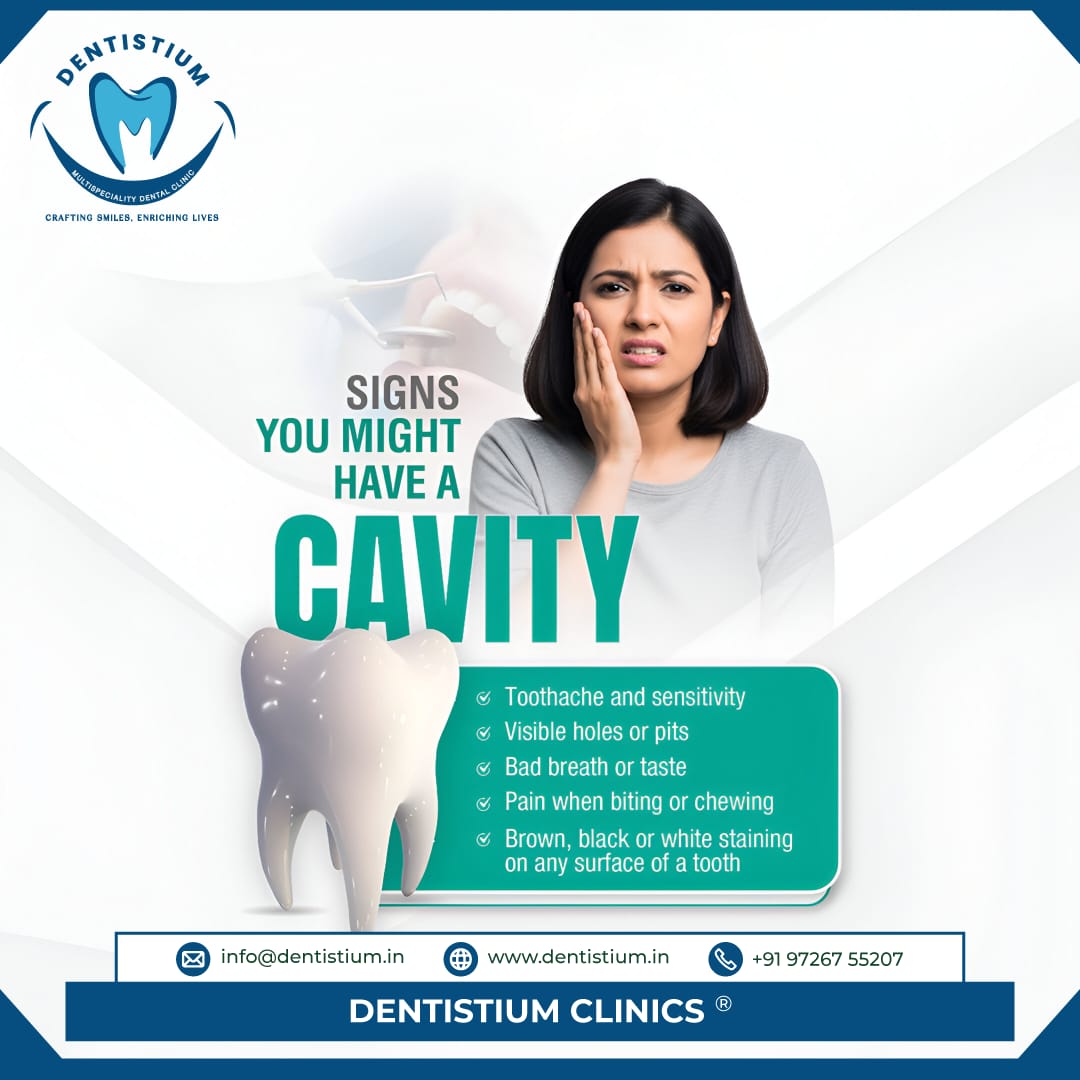
1. Toothache or Tooth Sensitivity

One of the earliest signs of a cavity is sensitivity to hot, cold, sweet, or acidic foods and beverages. As decay progresses, you may experience persistent tooth pain even when you’re not eating or drinking.

2. Visible Holes or Pits in Your Teeth

If you notice small holes, pits, or rough spots on the surface of your teeth, they may indicate tooth decay. These visible changes should be examined by a dental professional as soon as possible.

3. Bad Breath or Unpleasant Taste

Bacteria trapped inside decayed areas can cause persistent bad breath (halitosis) or leave an unpleasant taste in your mouth. If brushing and mouthwash don’t solve the issue, a cavity could be the underlying cause.

4. Pain While Biting or Chewing

Discomfort or sharp pain when chewing food may indicate that decay has reached deeper layers of the tooth. This symptom should not be ignored, as it often signals progressing damage.

5. Tooth Discoloration

Brown, black, or white spots on the surface of a tooth can be early signs of enamel breakdown. While not all stains are cavities, discoloration should be professionally evaluated to determine the cause.

Why Early Treatment Matters

Ignoring a cavity can lead to more serious complications, including:

  • Severe tooth pain

  • Dental infections or abscesses

  • Root canal treatment

  • Tooth fracture

  • Tooth loss

The earlier a cavity is detected, the simpler and more affordable the treatment is likely to be.

How to Prevent Cavities

Maintaining good oral hygiene is the best defense against tooth decay:

  • Brush twice daily with fluoride toothpaste

  • Floss every day

  • Limit sugary foods and drinks

  • Drink plenty of water

  • Visit your dentist regularly for check-ups and cleanings

  • Consider preventive treatments such as fluoride applications and dental sealants

When Should You Visit a Dentist?

If you notice any of the signs mentioned above, don’t wait for the pain to worsen. A dental examination can identify cavities early and help preserve your natural teeth.

Protect Your Smile with Dentistium Clinics

At Dentistium Clinics, our experienced dental team provides comprehensive cavity diagnosis and treatment using advanced technology and patient-centered care. Whether you need a routine check-up, dental filling, or preventive treatment, we’re here to help you maintain a healthy and confident smile.

📞 Call: +91 97267 55207
📧 Email: info@dentistium.in
🌐 Website: www.dentistium.in

Healthy teeth today mean a healthier smile tomorrow! 🦷✨

Understanding Tooth Decay and Cavities

Understanding Tooth Decay and Cavities

Tooth decay begins when bacteria in the mouth produce acids that attack the enamel, the tooth’s protective surface. This process can eventually lead to the formation of cavities, which are holes in the teeth. If left untreated, tooth decay can cause pain, infections, and ultimately, tooth loss.

People of all ages are susceptible to tooth decay, from children to seniors. Young children are particularly vulnerable to “early childhood caries,” also known as baby bottle tooth decay, which starts with severe decay in the front teeth and can progress to the back teeth.

For older adults, receding gums increase the risk of decay on the exposed root surfaces of teeth. This occurs when decay-causing bacteria come into contact with the tooth roots due to gum recession.

A cavity manifests as a hole in the tooth, often identified by white or dark spots on the tooth surface or sensations felt with the tongue. Early detection of cavities is crucial to prevent further complications. Regular dental check-ups can help catch decay early when treatment options are less invasive, such as fluoride treatments or simple fillings.

Maintaining good oral hygiene and being aware of early signs of tooth decay can significantly reduce the likelihood of developing cavities and the need for extensive dental procedures.

Causes of Tooth Decay

Tooth decay is primarily caused by the interaction of decay-causing bacteria in
the mouth with sugars and starches from food and drinks. When these bacteria
feed on sugars, they produce acids that attack the enamel of the teeth, leading
to mineral loss. This initial stage may manifest as white spots on the enamel,
indicating early decay that can potentially be reversed with proper oral care and
fluoride use. However, if the process continues unchecked, more minerals are lost,
weakening the enamel and eventually forming cavities. Plaque, a sticky film of
bacteria, plays a crucial role in this process by facilitating acid production and
adhering to teeth, which can harden into tartar if not removed by a dental
professional. Factors such as dry mouth, genetic predisposition, inadequate oral
hygiene, and certain medical conditions like acid reflux can increase the risk of
developing tooth decay and cavities, underscoring the importance of regular
dental care and dietary moderation to maintain oral health.

Symptoms

Symptoms of tooth decay can vary depending on its stage of progression. In the
early stages, there may be no noticeable symptoms. As decay advances, common
signs include tooth sensitivity to sweet, hot, or cold foods, as well as persistent
toothaches ranging from mild discomfort to sharp pain. Visual indicators such as
holes or pits in the teeth, and discoloration (brown, black, or white stains) may
also appear. Additional symptoms can include bad breath, loose fillings, difficulty
biting certain foods, and the presence of abscesses characterized by facial
swelling, pain, or fever. Recognizing these symptoms is crucial for timely dental
intervention to prevent further damage and complications.

Diagnosis and Treatment of Tooth Decay

Tooth decay is typically diagnosed during routine dental check-ups, where signs
like white, brown, or black staining on the tooth surface may indicate early decay.
Advanced decay may result in visible holes or cavities. Dentists can also detect
decay by identifying soft or sticky areas on the teeth or using X-rays for deeper
assessment.

Treatment options for tooth decay vary based on its severity:

  1. Fluoride Treatments: In the early stages of decay, fluoride application can
    help remineralize enamel and potentially reverse the decay process.
  2. Fillings: Once a cavity forms, dentists commonly treat it by removing the
    decayed tissue and filling the tooth with materials like composite resin, porcelain,
    or dental amalgam.
  3. Crowns: For extensive decay or weakened teeth, crowns may be necessary
    to cover and protect the tooth. Crowns can be made from various materials and
    are custom-fitted to ensure durability and functionality.
  4. Root Canals: When decay reaches the pulp of the tooth, causing infection or
    severe damage, a root canal treatment is performed. This involves removing the
    infected pulp, cleaning the area, and filling it to prevent further infection.
  5. Tooth Extractions: In cases where the tooth cannot be restored, extraction
    may be necessary to prevent further complications. Options to replace the
    extracted tooth include dental implants or bridges to maintain dental function
    and appearance.

Early intervention and regular dental visits are crucial to prevent the progression
of tooth decay and ensure optimal oral health. Seeking prompt dental care can
often mitigate the need for more invasive treatments and preserve natural teeth
effectively.

Recent Posts

183,630 hits

  .   

Most Searched Pharmacy products on our site

 .   

 .   

Select your currency
INR Indian rupee
Add to cart