Implants That Make Smiles Noteworthy at Every Celebration

Implants That Make Smiles Noteworthy at Every Celebration

Life is a beautiful collection of celebrations — weddings filled with laughter, birthdays surrounded by loved ones, festive gatherings sparkling with joy, and quiet anniversaries that mark years of togetherness. In every one of these moments, there is one thing we all share: a smile.

But for many people, missing teeth or uncomfortable dentures can make smiling feel like a challenge rather than a joy. If you’ve ever covered your mouth while laughing or avoided being in photos because of your teeth, you know how deeply it can affect your confidence.

Dental implants are more than just a tooth replacement solution. They are a way to reclaim your confidence, restore your comfort, and make your smile truly noteworthy at every celebration.


The Emotional Power of a Confident Smile

A smile is often the first thing people notice about you. It expresses warmth, happiness, and connection without saying a word. When you feel confident in your smile:

  • You laugh without hesitation

  • You speak clearly and confidently

  • You pose freely for photographs

  • You enjoy social interactions fully

  • You savor your favorite foods without worry

Missing teeth can affect not just your appearance, but also your speech, eating habits, and overall self-esteem. Over time, this can impact personal relationships and even professional opportunities.

Restoring your smile can transform not just your face—but your entire outlook on life.


Understanding Dental Implants

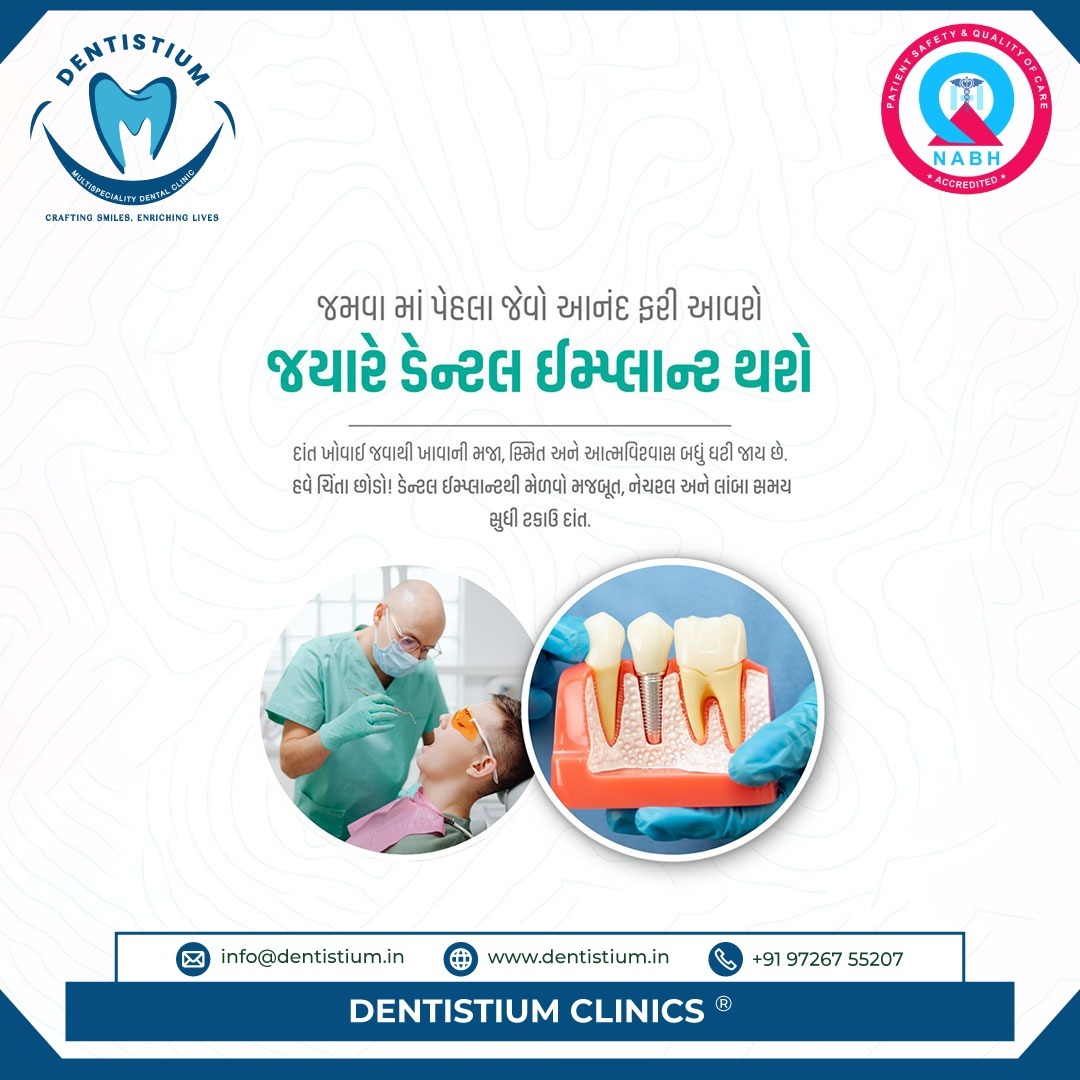
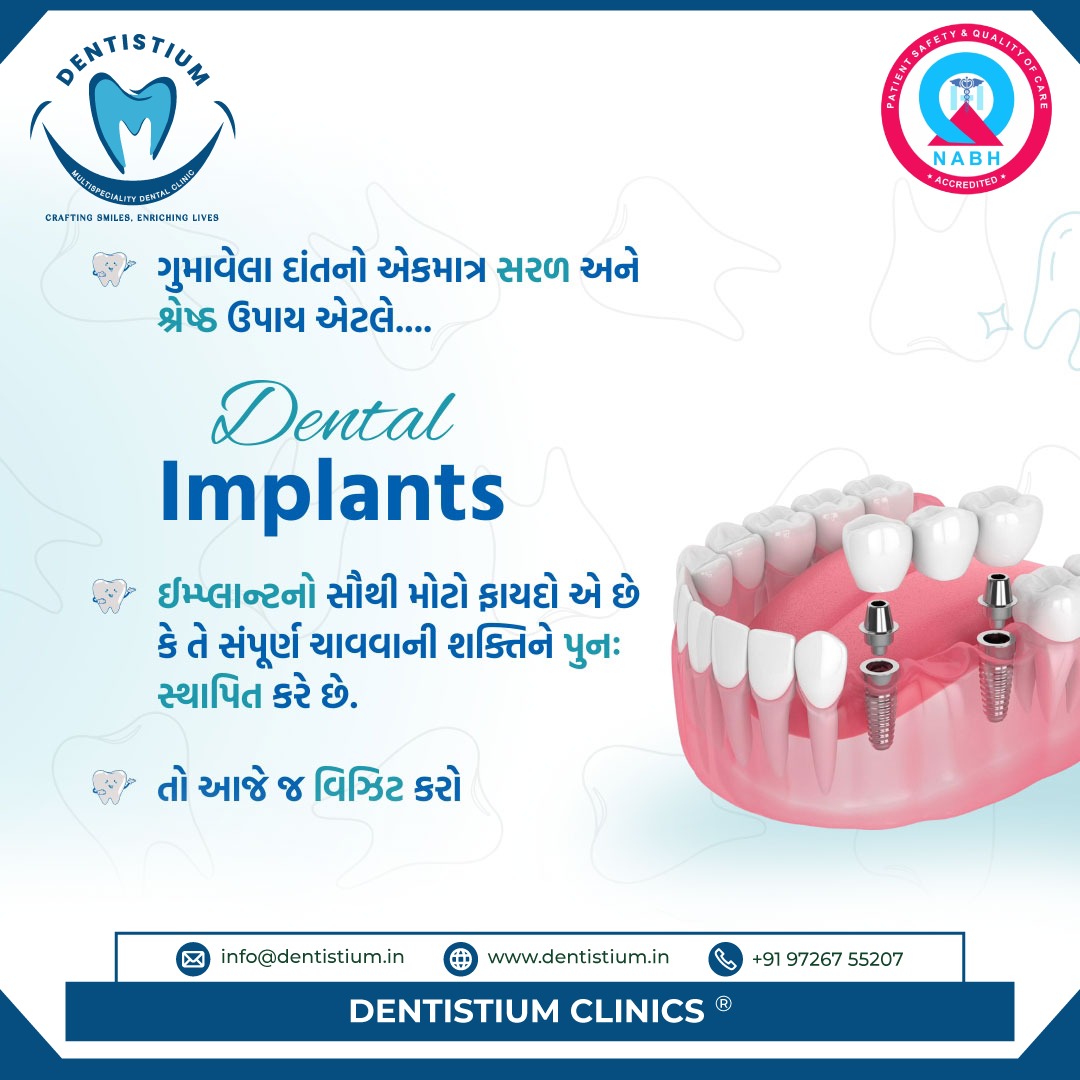
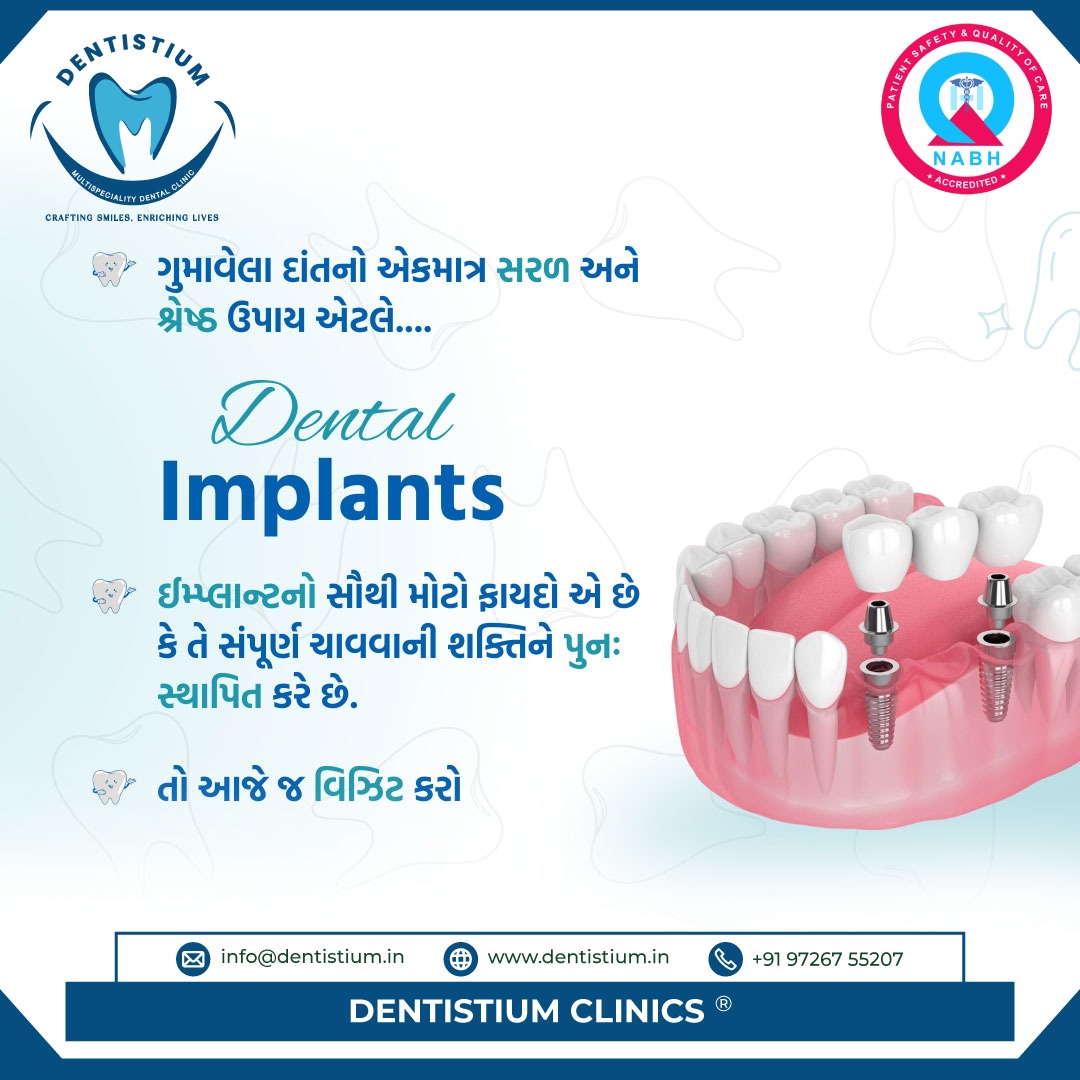
Dental implants are advanced, permanent tooth replacement solutions designed to look, feel, and function like natural teeth.

An implant typically consists of:

  1. A titanium post placed into the jawbone, acting as a replacement root

  2. An abutment that connects the implant to the crown

  3. A custom-designed crown that matches your natural teeth in color and shape

Unlike traditional dentures or bridges, implants are securely anchored into the bone, providing exceptional stability and durability.


Why Dental Implants Stand Out

1. Natural Appearance

Modern dental technology allows implants to blend seamlessly with your natural teeth. The crown is carefully designed to match your smile, ensuring a flawless and authentic look.

2. Long-Lasting Solution

With proper oral hygiene and routine dental check-ups, implants can last decades. They are considered one of the most durable tooth replacement options available.

3. Comfort and Stability

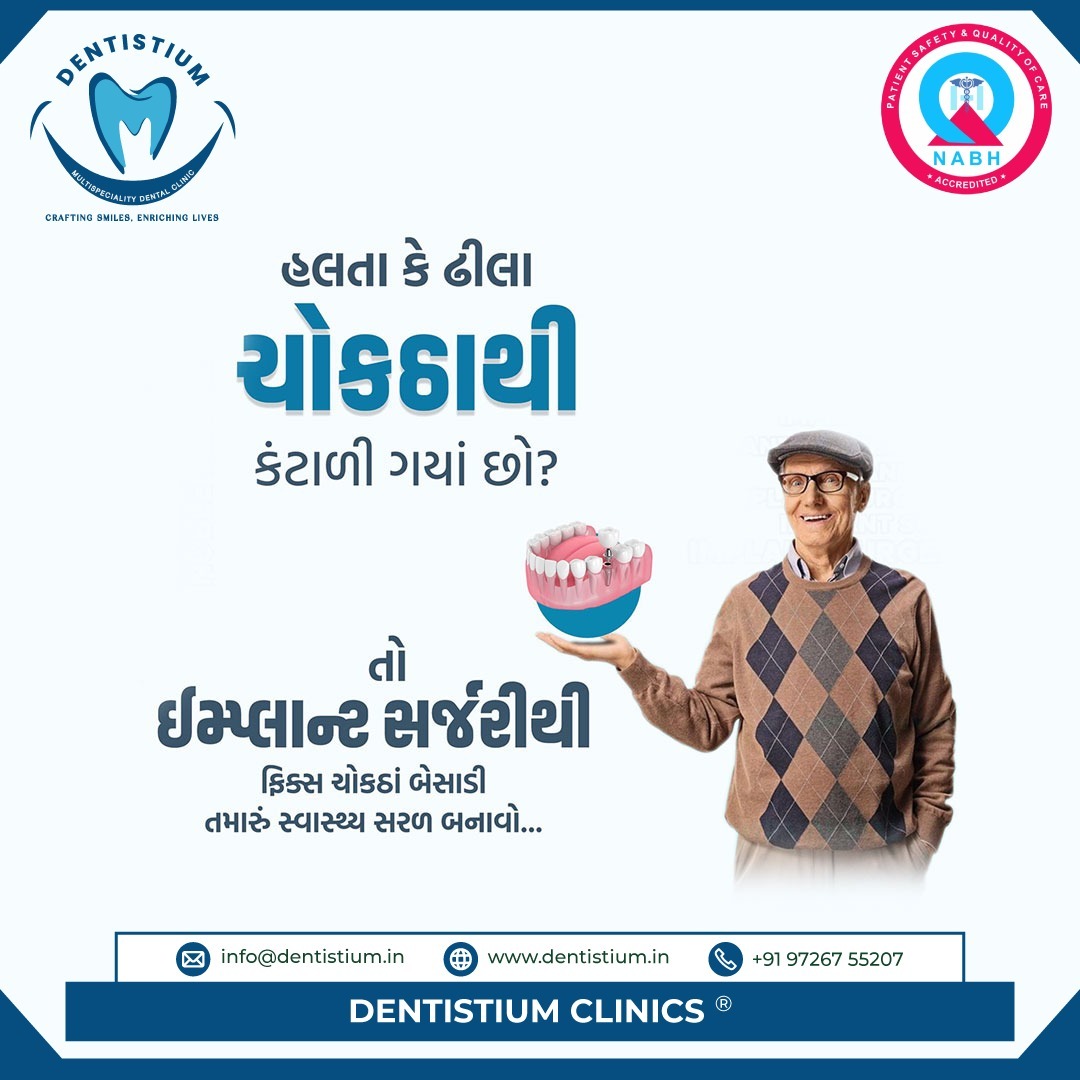
Forget about slipping dentures or messy adhesives. Implants stay firmly in place, allowing you to eat, speak, and smile with confidence.

4. Bone Preservation

When a tooth is lost, the jawbone beneath it can begin to shrink due to lack of stimulation. Dental implants mimic natural tooth roots, helping maintain bone density and facial structure.

5. Improved Functionality

Dental implants restore full chewing power, allowing you to enjoy a wide variety of foods—from crunchy fruits to festive sweets—without discomfort.

6. Enhanced Self-Confidence

Perhaps the greatest benefit of dental implants is emotional. When you know your smile looks beautiful and natural, your confidence naturally shines through.


Celebrations Are Meant for Smiling

Think about the milestones that fill your life:

  • Your child’s graduation ceremony

  • A wedding anniversary celebration

  • A festive family gathering

  • A milestone birthday

  • A long-awaited reunion

These are moments captured in photographs and remembered forever. A confident smile ensures that when you look back, you remember joy—not insecurity.

Dental implants give you the freedom to participate fully in every celebration without hesitation.


Who Is a Good Candidate for Dental Implants?

You may be suitable for implants if you:

  • Have one or more missing teeth

  • Use dentures and want a more stable option

  • Have healthy gums

  • Possess sufficient jawbone density (or are eligible for bone grafting)

  • Maintain good overall health

A detailed dental evaluation, including digital scans and X-rays, helps determine the best treatment plan for your specific needs.


The Dental Implant Journey

Understanding the process can ease any concerns you may have.

Step 1: Consultation and Planning

Your dentist conducts a thorough examination, discusses your goals, and creates a personalized treatment plan.

Step 2: Implant Placement

The titanium implant is surgically placed into the jawbone under controlled and safe conditions.

Step 3: Healing and Integration

Over the next few months, the implant integrates with the bone through a process called osseointegration, creating a strong foundation.

Step 4: Crown Placement

Once healing is complete, a custom-designed crown is attached to the implant, completing your new smile.

The result? A natural, secure, and beautiful tooth replacement that feels just like your own.


Common Myths About Dental Implants

Myth 1: The procedure is extremely painful.
Modern techniques and anesthesia ensure that the procedure is comfortable. Most patients report minimal discomfort.

Myth 2: Implants look artificial.
Today’s implants are customized to match your natural teeth perfectly.

Myth 3: They require special care.
Dental implants require the same care as natural teeth—regular brushing, flossing, and dental visits.


Caring for Your Dental Implants

To ensure long-term success:

  • Brush twice daily

  • Floss regularly

  • Visit your dentist for routine check-ups

  • Avoid smoking

  • Maintain a healthy diet

With proper care, your implants can serve you for many years.


More Than Just Teeth — A Lifestyle Upgrade

Dental implants are not just about filling a gap. They are about restoring:

  • Your ability to eat comfortably

  • Your confidence in social settings

  • Your facial structure

  • Your natural speech clarity

  • Your joy in smiling freely

When you feel good about your smile, it reflects in every aspect of your life.

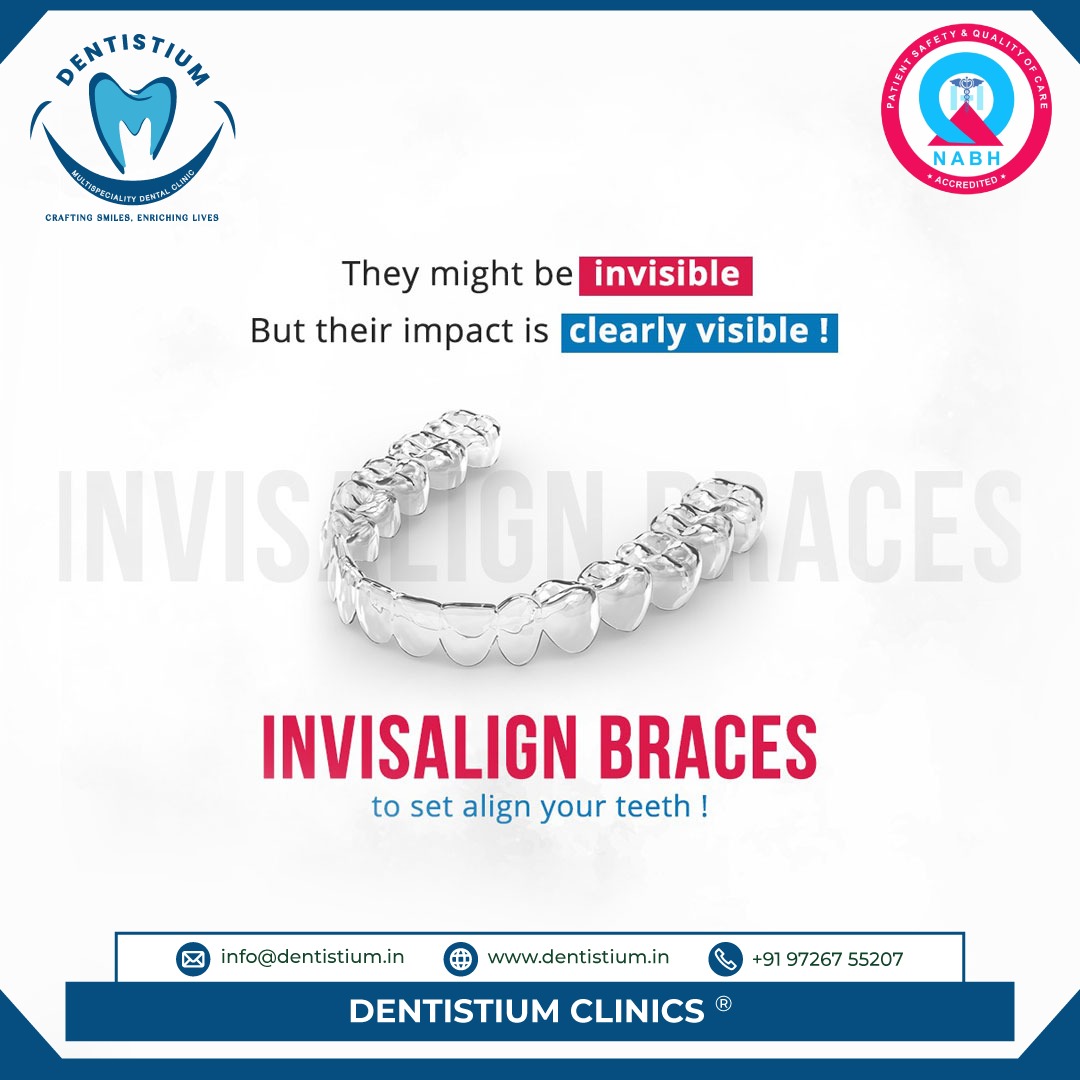
redo your smile with transparent aligners

Redo Your Smile With Transparent Aligners at Dentistium Clinics

A beautiful smile is more than just an aesthetic feature — it reflects confidence, health, and positivity. If you’ve been thinking about straightening your teeth but don’t want the discomfort or appearance of metal braces, transparent aligners could be the perfect solution for you.

At Dentistium Clinics, we bring you advanced transparent aligner treatments that are comfortable, convenient, and nearly invisible — helping you achieve the smile you’ve always wanted.


What Are Transparent Aligners?

Transparent aligners are clear, custom-made trays designed to gradually shift your teeth into proper alignment. Unlike traditional braces, they are made from smooth, medical-grade plastic and fit snugly over your teeth.

Each set of aligners is worn for about 1–2 weeks before moving to the next set in the series. Over time, your teeth gently move into their ideal position — without wires or brackets.


Why Choose Transparent Aligners?

1. Nearly Invisible Appearance

One of the biggest advantages of transparent aligners is their discreet look. Most people won’t even notice you’re wearing them, making them ideal for working professionals, students, and anyone who prefers a subtle treatment option.

2. Comfortable to Wear

Made from smooth plastic, aligners eliminate the irritation often caused by metal wires and brackets. They are designed for a snug yet comfortable fit.

3. Removable and Convenient

You can remove your aligners while eating, brushing, and flossing. This means:

  • No food restrictions

  • Better oral hygiene

  • Easier maintenance

4. Fewer Dental Visits

Compared to traditional braces, transparent aligner treatments usually require fewer clinic visits, making them a time-saving option.


What Dental Issues Can Aligners Fix?

Transparent aligners are effective in treating:

  • Crowded teeth

  • Gaps between teeth

  • Overbite

  • Underbite

  • Crossbite

  • Mild to moderate misalignment

At Dentistium Clinics, we carefully evaluate your dental condition and create a personalized treatment plan to ensure the best possible results.


The Treatment Process at Dentistium Clinics

Step 1: Consultation

Your journey begins with a detailed dental examination and digital scan of your teeth.

Step 2: Customized Treatment Plan

Using advanced technology, we design a step-by-step plan that shows how your teeth will gradually move into alignment.

Step 3: Aligner Fabrication

Your custom aligners are created specifically for your teeth.

Step 4: Wearing Your Aligners

You’ll wear each set for the recommended duration, typically 20–22 hours per day, removing them only for meals and cleaning.

Step 5: Smile Transformation

Over time, you’ll notice visible improvements — leading to a straighter, more confident smile.


Why Choose Dentistium Clinics?

At Dentistium Clinics, we are committed to:

  • Advanced dental technology

  • Expert dental professionals

  • Personalized patient care

  • Comfortable treatment experience

Our goal is simple — crafting smiles and enriching lives.


Is Transparent Aligner Treatment Right for You?

If you want a straighter smile without the look and feel of traditional braces, transparent aligners may be the ideal choice. Whether you’re preparing for a big event, improving your professional image, or simply investing in your confidence, this modern orthodontic solution can help you achieve lasting results.


Start Your Smile Journey Today

Your dream smile is closer than you think. Transparent aligners offer an easy, comfortable, and effective way to transform your teeth without disrupting your lifestyle.

Book your consultation at Dentistium Clinics today and take the first step toward a confident, radiant smile.


Summer Oral Care Tips: Keep Your Mouth Hydrated & Healthy This Season

Summer Oral Care Tips: Keep Your Mouth Hydrated & Healthy This Season

As the temperature rises during the summer months in Ahmedabad, your body naturally tends to lose more fluids through sweating. While most people focus on staying hydrated to avoid fatigue and heatstroke, very few realize that dehydration can also significantly affect their oral health.

Reduced water intake and increased heat can lead to a decrease in saliva production, causing dry mouth (xerostomia). Saliva plays a crucial role in protecting your teeth and gums by neutralizing acids, washing away food particles, and preventing bacterial growth. A dry mouth can increase your risk of tooth decay, gum disease, bad breath, and oral infections.

To help you maintain a healthy and hydrated mouth this summer, our dental experts at Dentistium recommend the following simple yet effective oral care tips.

Why Does Dry Mouth Occur More Often in Summer?

During hot weather:

  • Your body loses more water through perspiration.

  • Frequent consumption of caffeinated or sugary beverages can worsen dehydration.

  • Breathing through the mouth due to heat or nasal congestion can further dry oral tissues.

When saliva levels drop, harmful bacteria can thrive, leading to plaque buildup, cavities, and gum problems.


Essential Summer Oral Care Tips

1. Choose Sugar-Free Chewing Gum or Lozenges

Sucking on sugar-free hard candies or chewing sugar-free gum can stimulate saliva production, which naturally keeps your mouth moist and helps wash away bacteria.


2. Try Ice Chips Throughout the Day

Sipping water frequently is the best option, but sucking on small ice chips can also help keep your mouth hydrated when you’re on the go.


3. Use a Humidifier While Sleeping

Adding moisture to your bedroom environment with a humidifier can prevent dryness in your mouth and throat while you sleep, especially if you use air conditioning at night.


4. Consider Saliva Substitutes

Over-the-counter saliva substitutes containing ingredients like:

  • Xylitol

  • Carboxymethylcellulose

  • Hydroxyethylcellulose

can provide temporary relief from dry mouth and improve comfort.


5. Practice Nasal Breathing

Breathing through your nose rather than your mouth helps retain moisture in your oral cavity and prevents dryness of the gums and tongue.


6. Use Alcohol-Free Mouthwash

Many commercial mouthwashes contain alcohol, which can further dry out your mouth. Switching to an alcohol-free mouthwash helps maintain oral moisture without irritation.


Stay Hydrated, Stay Protected!

Maintaining proper hydration not only benefits your overall health but also protects your teeth and gums from summer-related dental issues. Following these simple oral care practices can help you prevent bad breath, tooth decay, and gum disease during the hotter months.

If you frequently experience dry mouth or discomfort, it may be a sign of an underlying dental issue that requires professional attention.


Visit Dentistium for Expert Dental Care in Ahmedabad

At Dentistium Multispeciality Dental Clinic, Ahmedabad, our experienced dental professionals are committed to helping you maintain optimal oral health in every season. Whether you’re dealing with dry mouth, sensitivity, or routine dental concerns, we are here to provide personalized and advanced dental care solutions.

 Book your appointment today and keep your smile healthy this summer!

📍 Ahmedabad, Gujarat
📞 +91 97267 55207
🌐 www.dentistium.in

meet your dedicated dental care

Meet Your Dedicated Dental Care Partner – Dentistium Clinics

A healthy smile is more than just an aesthetic feature—it is a reflection of your overall health, confidence, and well-being. At Dentistium Clinics, we believe that every smile tells a story, and we are here to ensure yours shines with confidence and vitality. With a commitment to excellence, advanced dental solutions, and personalized care, we craft smiles while enriching lives.

Crafting Smiles, Enriching Lives

At Dentistium Clinics, dentistry is not just about treating teeth—it’s about caring for people. Our patient-centered approach ensures that every individual who walks through our doors receives attentive care, clear communication, and customized treatment plans tailored to their unique needs.

We understand that visiting a dental clinic can sometimes feel overwhelming. That’s why our team focuses on creating a comfortable, stress-free environment where patients of all ages feel relaxed and confident in their care.

Comprehensive Preventive Dental Care

Prevention is the foundation of lifelong oral health. Our preventive care services are designed to identify potential issues early and stop them before they become serious problems.

Regular dental check-ups and professional cleanings help:

Prevent cavities and gum disease

Detect early signs of oral health concerns

Maintain fresh breath and healthy gums

Preserve your natural teeth for years to come

By prioritizing preventive dentistry, we help you avoid complex treatments and maintain a strong, healthy smile.

Personalized Treatment Plans

No two smiles are the same, and neither are our treatment plans. At Dentistium Clinics, we believe in personalized dental care that addresses your specific concerns and goals.

Whether you need restorative procedures, cosmetic enhancements, or routine maintenance, our dental experts carefully evaluate your oral health and recommend treatments that align with your needs, lifestyle, and comfort.

Our approach ensures:

Transparent consultations

Detailed treatment explanations

Customized care solutions

Long-term oral health strategies

We partner with you at every step, ensuring you feel informed and confident about your dental decisions.

Maintaining Your Natural Teeth

Your natural teeth are invaluable. Our primary goal is always to preserve and protect them whenever possible. Through advanced diagnostic tools and modern treatment techniques, we focus on restoring strength and function while maintaining the natural structure of your teeth.

From fillings and root canal treatments to gum care and restorative solutions, we work diligently to save your natural smile.

Modern Technology & Gentle Dentistry

At Dentistium Clinics, we combine clinical expertise with modern dental technology to deliver precise and comfortable treatments. Our commitment to innovation allows us to provide efficient procedures with improved accuracy and reduced discomfort.

We emphasize gentle dentistry—because quality care should never come at the cost of comfort.

A Smile That Boosts Confidence

A beautiful smile enhances self-esteem, improves first impressions, and positively impacts both personal and professional interactions. Whether you’re looking for a brighter smile, improved alignment, or complete smile restoration, our team is dedicated to helping you achieve the confidence you deserve.

Why Choose Dentistium Clinics?

✔ Experienced and dedicated dental professionals
✔ Comprehensive multi-specialty services
✔ Patient-focused and compassionate care
✔ Preventive and restorative expertise
✔ Modern equipment and techniques
✔ Comfortable and welcoming environment

Begin Your Journey to Optimal Oral Health

Your journey to optimal oral health starts with a single step—booking your appointment. At Dentistium Clinics, we are committed to being your trusted partner in dental wellness.

Embrace your brightest smile.
Protect your natural teeth.
Experience personalized dental excellence.

Because at Dentistium Clinics, we don’t just treat teeth—we care for smiles that last a lifetime.

what happen when you grind your teeth

What Happens When You Grind Your Teeth?

Teeth grinding—also known as bruxism—is more common than most people realize. Many people clench or grind their teeth occasionally, especially during stressful moments. However, when it becomes frequent or happens during sleep, it can lead to serious dental and health issues.

If you often wake up with jaw pain, headaches, or notice your teeth looking worn down, you might be grinding your teeth without even knowing it.

Let’s explore what happens when you grind your teeth and why it’s important to address it early.


What Is Teeth Grinding (Bruxism)?

Bruxism is the involuntary clenching, grinding, or gnashing of teeth. It can occur:

  • During the day (Awake bruxism) – Often linked to stress, anxiety, or concentration.

  • During sleep (Sleep bruxism) – Usually unconscious and more damaging because of prolonged pressure.

Many people discover they grind their teeth only after their dentist points out signs of wear or their partner hears grinding sounds at night.


What Happens When You Grind Your Teeth?

Teeth are strong—but they are not designed to withstand constant grinding pressure. Over time, bruxism can cause several complications.

1. Tooth Damage

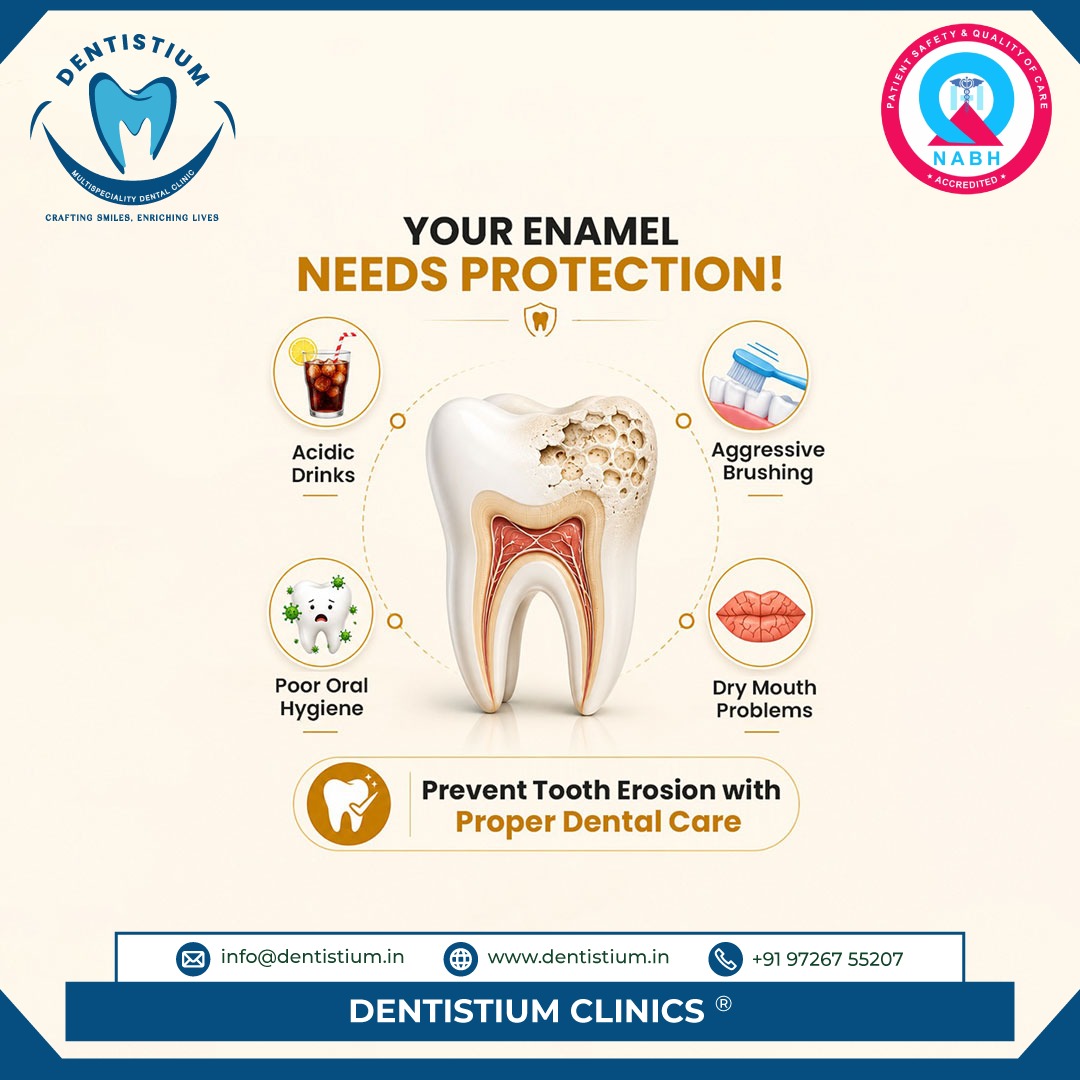
Grinding wears down the protective enamel layer of your teeth. Once enamel is lost, it does not grow back.

Consequences include:

  • Flattened or chipped teeth

  • Cracked enamel

  • Increased tooth sensitivity

  • Higher risk of cavities

  • Tooth fractures in severe cases

In extreme situations, teeth may require crowns, root canal treatment, or even extraction.


2. Stiffness in the Jaw Joint

Your jaw joint (TMJ – Temporomandibular Joint) connects your jaw to your skull. Continuous clenching overworks this joint and the surrounding muscles.

You may experience:

  • Jaw stiffness

  • Difficulty opening or closing your mouth

  • Clicking or popping sounds

  • Locking of the jaw

If left untreated, this can develop into a temporomandibular disorder (TMD).


3. Headaches

Frequent grinding puts intense pressure on facial and jaw muscles. This tension often radiates upward, causing:

  • Morning headaches

  • Tension-type headaches

  • Pain around the temples

Many patients don’t realize their recurring headaches are linked to nighttime grinding.


4. Facial Pain

Bruxism can strain facial muscles, leading to:

  • Pain in cheeks and jaw

  • Earache-like discomfort

  • Neck and shoulder tension

  • Tenderness while chewing

Over time, this muscular strain can significantly affect your daily comfort and quality of life.


Why Do People Grind Their Teeth?

There isn’t just one cause. Bruxism is usually linked to a combination of factors:

  • Stress and anxiety

  • Sleep disorders

  • Abnormal bite (malocclusion)

  • Missing or misaligned teeth

  • Lifestyle habits (excess caffeine, alcohol, smoking)

  • Certain medications

Stress remains one of the most common triggers, especially in adults.


Long-Term Effects of Untreated Teeth Grinding

Ignoring bruxism can lead to:

  • Severe enamel loss

  • Shortened teeth

  • Gum recession

  • Increased tooth sensitivity

  • Jaw joint damage

  • Chronic pain disorders

The earlier you intervene, the easier it is to prevent permanent damage.


Signs You Might Be Grinding Your Teeth

Watch for these warning signs:

  • Waking up with jaw soreness

  • Teeth that look worn or flattened

  • Increased tooth sensitivity

  • Frequent morning headaches

  • Cracks or chips without trauma

  • Your partner hearing grinding sounds at night

A dental examination can confirm the diagnosis.


How to Stop or Manage Teeth Grinding

The good news is that bruxism is manageable. Treatment depends on the cause and severity.

1. Night Guard (Mouth Guard)

A custom-made dental night guard protects your teeth by creating a barrier between upper and lower teeth. It:

  • Prevents further enamel wear

  • Reduces jaw strain

  • Minimizes muscle tension

Custom guards are far more effective and comfortable than over-the-counter options.


2. Stress Management

Since stress is a major trigger, techniques such as:

  • Meditation

  • Deep breathing

  • Regular exercise

  • Yoga

  • Counseling

can significantly reduce grinding episodes.


3. Correcting Bite Issues

If misalignment is contributing, your dentist may recommend:

  • Orthodontic treatment

  • Restorative procedures

  • Adjustments to your bite


4. Lifestyle Changes

Small changes can make a difference:

  • Limit caffeine and alcohol

  • Avoid chewing gum

  • Reduce screen time before bed

  • Maintain a proper sleep routine


When Should You See a Dentist?

You should schedule a dental consultation if:

  • You notice jaw pain or stiffness

  • Your teeth appear worn down

  • You experience frequent headaches

  • Someone tells you that you grind your teeth at night

Early intervention prevents expensive and complex treatments later.


Final Thoughts

Teeth grinding may seem harmless at first, but over time it can lead to tooth damage, jaw stiffness, headaches, and facial pain. Because many people grind their teeth unknowingly—especially during sleep—regular dental checkups are essential.

If you suspect you’re grinding your teeth, don’t ignore the signs. Protecting your smile today can prevent long-term discomfort and costly dental procedures tomorrow.

Your teeth are meant to last a lifetime—take care of them before the damage becomes permanent.


Professional Scaling & Polishing for Optimal Oral Health

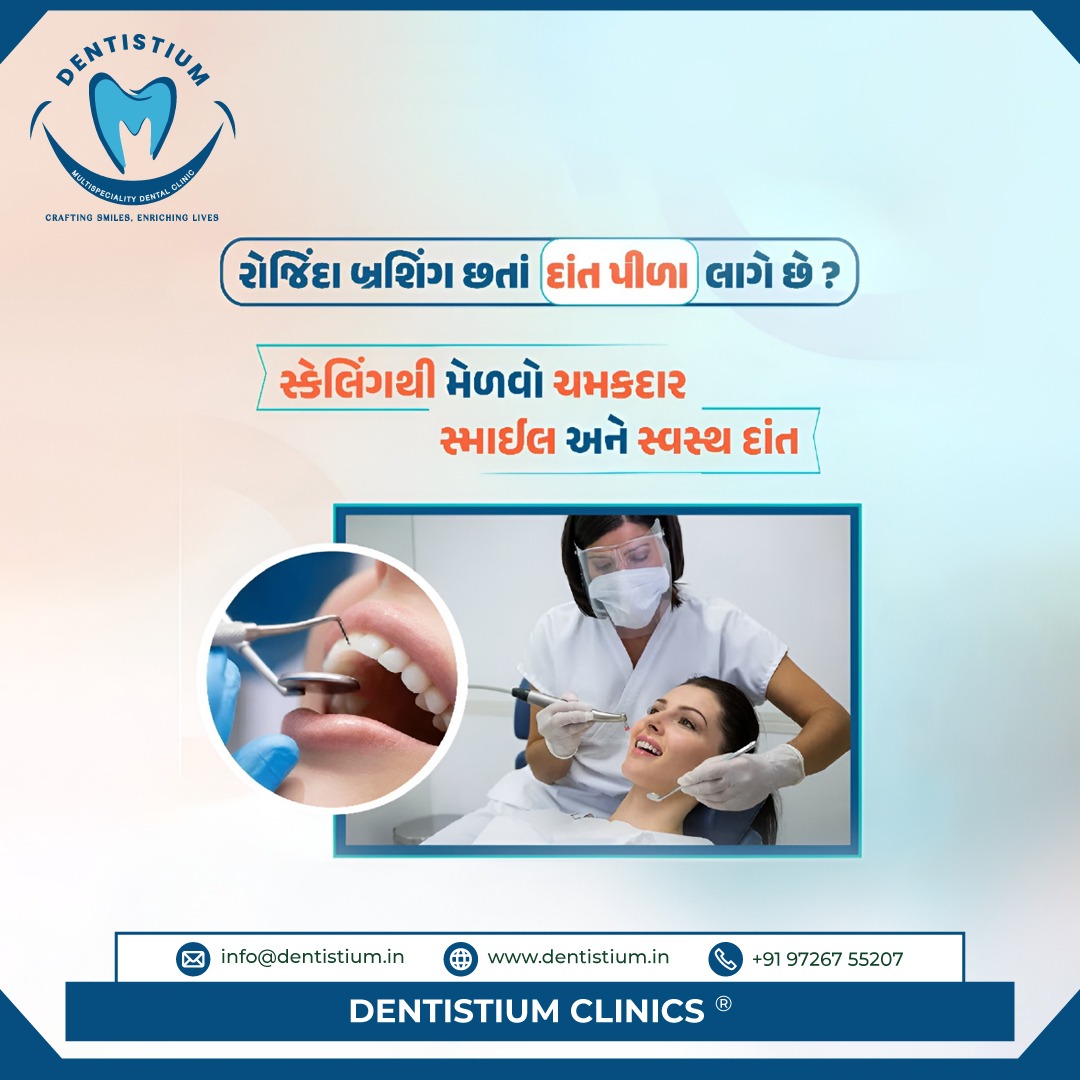
Professional scaling and polishing effectively remove plaque, calculus, and surface stains, helping prevent periodontal disease and dental caries. This essential preventive procedure promotes healthier gums, fresher breath, and a cleaner, brighter smile while supporting long-term oral health maintenance.

Help Bust Paediatric Dental Myths – The Truth About Children’s Oral Health

Help Bust Paediatric Dental Myths – The Truth About Children’s Oral Health

When it comes to children’s dental health, many parents still believe in outdated myths that can unknowingly harm their child’s oral hygiene. Pediatric dental care plays a vital role in maintaining strong, healthy teeth from an early age. Unfortunately, misinformation often leads to negligence in proper dental habits.

Let’s bust some of the most common paediatric dental myths and understand the real facts every parent should know.

❌ Myth 1: Milk Teeth Are Not Important Because They Fall Out Anyway

Fact:
Milk teeth (primary teeth) are extremely important for your child’s oral development. They help in:

  • Proper chewing of food

  • Speech development

  • Maintaining space for permanent teeth

  • Guiding permanent teeth into correct position

Ignoring cavities or decay in milk teeth can lead to pain, infection, and future orthodontic problems.


❌ Myth 2: Children Don’t Need to Visit the Dentist Until Permanent Teeth Erupt

Fact:
A child should ideally visit a dentist by their first birthday or within 6 months after the first tooth appears.

Early dental visits help in:

  • Detecting tooth decay early

  • Monitoring jaw development

  • Educating parents about oral hygiene habits

Preventive care always reduces future treatment costs.


❌ Myth 3: Cavities in Baby Teeth Don’t Need Treatment

Fact:
Untreated cavities in primary teeth can cause:

  • Severe toothache

  • Infection spreading to permanent teeth

  • Difficulty in eating and speaking

  • Early tooth loss leading to misalignment

Treating cavities early ensures better long-term dental health.


❌ Myth 4: Brushing Once a Day Is Enough for Kids

Fact:
Children should brush twice daily using fluoride toothpaste under parental supervision.
Night brushing is especially important to remove plaque and sugar deposits.


❌ Myth 5: Thumb Sucking Is Always Harmless

Fact:
Thumb sucking beyond the age of 4–5 years may lead to:

  • Protruding front teeth

  • Bite problems

  • Jaw alignment issues

Early habit correction is necessary to prevent orthodontic complications.


❌ Myth 6: Sugary Foods Are the Only Cause of Cavities

Fact:
Sticky foods like chips, biscuits, and chocolates that stay longer on teeth also contribute significantly to decay.

Poor oral hygiene + frequent snacking = High risk of cavities


Importance of Preventive Pediatric Dental Care

Preventive dental care includes:

  • Regular dental check-ups

  • Fluoride application

  • Pit and fissure sealants

  • Proper brushing techniques

  • Healthy diet guidance

These steps help in maintaining strong teeth and avoiding costly treatments in the future.


Conclusion

Paediatric dental myths often prevent parents from giving their children the proper dental care they need. Understanding the facts helps in building healthy oral habits from an early age and ensures a lifetime of confident smiles.

Early prevention is always better than complex dental treatment later!

Why Should You Consider Root Canal Treatment?

Why Should You Consider Root Canal Treatment?

Tooth pain can disrupt your daily life—making it difficult to eat, sleep, or even concentrate. If you’re experiencing persistent toothache, sensitivity to hot and cold, or swelling around a tooth, your dentist may recommend a root canal treatment. While the term may sound intimidating, modern root canal procedures are safe, effective, and designed to relieve pain—not cause it.

In this blog, we’ll explain what root canal treatment is, why it’s necessary, its benefits, and what you can expect during the procedure.


What Is Root Canal Treatment?

Root canal treatment (endodontic therapy) is a dental procedure used to treat infection inside the tooth. When the soft inner tissue (pulp) becomes infected due to deep decay, cracks, trauma, or repeated dental procedures, it can cause severe pain and lead to abscess formation if left untreated.

The treatment involves:

  • Removing the infected pulp

  • Cleaning and disinfecting the root canals

  • Filling and sealing the tooth

  • Restoring the tooth with a filling or crown

The main goal is to save your natural tooth and prevent further infection.


Signs You May Need a Root Canal

You may require root canal treatment if you notice:

  • Persistent tooth pain

  • Sensitivity to hot or cold that lingers

  • Swollen or tender gums

  • Darkening of the tooth

  • Pain while chewing

  • A small pimple-like bump on the gums

Ignoring these symptoms can worsen the infection and may eventually require tooth extraction.


Why Should You Consider Root Canal Treatment?

1. Relieves Severe Tooth Pain

Root canal treatment eliminates the source of infection, which is the primary cause of pain. Most patients report immediate relief after the procedure.

2. Saves Your Natural Tooth

Preserving your natural tooth helps maintain proper chewing function and jaw alignment. It also prevents neighboring teeth from shifting.

3. Prevents Spread of Infection

Untreated dental infections can spread to surrounding tissues and even other parts of the body. A root canal stops the infection at its source.

4. Restores Normal Function

After restoration with a crown, the treated tooth functions just like any other tooth.

5. Cost-Effective in the Long Run

Saving a natural tooth is often more affordable than extraction followed by implants or bridges.


What Happens During the Procedure?

Here’s what you can expect:

  1. Examination & X-ray – The dentist evaluates the tooth and confirms infection.

  2. Local Anesthesia – The area is numbed to ensure a painless experience.

  3. Cleaning the Infection – The infected pulp is removed and canals are disinfected.

  4. Filling the Canals – The canals are sealed to prevent reinfection.

  5. Final Restoration – A crown is placed to protect and strengthen the tooth.

The procedure usually takes one or two visits, depending on the severity of the infection.


Is Root Canal Treatment Painful?

Thanks to modern dental technology and anesthesia, root canal treatment is no more uncomfortable than getting a regular filling. In fact, the procedure relieves the pain caused by infection.


Aftercare Tips

After your root canal:

  • Avoid chewing on the treated tooth until fully restored

  • Maintain good oral hygiene

  • Brush and floss daily

  • Attend regular dental check-ups

Proper care ensures long-lasting results.


Final Thoughts

Root canal treatment is a reliable and effective solution for saving infected teeth. Rather than fearing the procedure, think of it as a way to protect your natural smile and restore comfort. Early diagnosis and timely treatment can prevent complications and keep your oral health on track.


Healthy Eating Healthy Smile: Best Diet Tips & 7 Foods for Good Oral Health

Healthy Eating Healthy Smile Best Diet Tips & 7 Foods for Good Oral Health

Most people believe that brushing and flossing are enough to maintain strong teeth and healthy gums. However, your daily eating habits are equally important for maintaining good oral hygiene. The food you eat not only fuels your body but also plays a major role in strengthening your teeth, protecting enamel, preventing cavities, and improving gum health.

A balanced, tooth-friendly diet can naturally clean your teeth, neutralize harmful acids, and reduce plaque buildup — helping you maintain a bright and healthy smile for years to come.

Why Your Diet Matters for Oral Health?

Your mouth is constantly exposed to bacteria that feed on sugars and produce acids. These acids weaken tooth enamel and eventually lead to cavities and gum disease. Choosing the right foods helps:

  • Increase saliva production

  • Neutralize harmful acids

  • Wash away food particles

  • Strengthen enamel

  • Improve gum health

  • Reduce plaque buildup

  • Prevent tooth decay


7 Best Foods That Improve Oral Health Naturally

1. Apples – Nature’s Toothbrush

Apples are high in fiber and water content, which stimulate saliva production in the mouth. Saliva helps wash away bacteria and food particles while reducing acidity levels. Their crunchy texture gently cleans tooth surfaces and prevents plaque accumulation.


2. Leafy Greens – Calcium Power for Teeth

Leafy vegetables such as spinach, lettuce, and kale are rich in calcium and folic acid. These nutrients strengthen tooth enamel and support gum tissues, making teeth more resistant to decay and sensitivity.


3. Carrots – Crunchy Cavity Fighters

Carrots promote saliva flow and are packed with Vitamin A, which is essential for enamel protection. Chewing raw carrots after meals can naturally clean your teeth and neutralize acids in the mouth.


4. Cheese – Enamel Protector

Cheese contains calcium and phosphates that help rebuild weakened enamel. It also balances the pH level in the mouth and stimulates saliva production, reducing the risk of cavities and tooth decay.


5. Yoghurt – Probiotic Protection

Yoghurt is rich in probiotics that fight harmful bacteria in the mouth. It also contains calcium and protein that help strengthen teeth and support gum health while reducing plaque formation.


6. Nuts & Seeds – Natural Tooth Scrubbers

Nuts and seeds are packed with essential minerals such as calcium, phosphorus, and magnesium. Their crunchy texture gently scrubs the tooth surface while chewing, helping to remove plaque and strengthen enamel.


7. Bell Peppers – Gum-Friendly Vitamin C Source

Bell peppers are loaded with Vitamin C, which plays a vital role in maintaining healthy gums and connective tissues. Their crunchy nature also promotes saliva production, keeping your mouth naturally clean.


Healthy Eating Tips for a Better Smile

To maintain good oral health, follow these simple dietary habits:

✔ Avoid sticky foods that cling to teeth
✔ Limit sugary snacks and sweets
✔ Reduce soft drinks and acidic beverages
✔ Avoid frequent snacking between meals
✔ Drink plenty of water throughout the day
✔ Rinse your mouth with water after eating
✔ Include milk, cheese, and curd in your diet

Fresh fruits and vegetables can also help clean your teeth naturally and prevent bacterial growth in the mouth.


Conclusion

Your eating habits directly affect your dental health. Including tooth-friendly foods in your daily routine not only improves your overall health but also protects your teeth and gums from cavities, enamel erosion, and gum disease.

smile

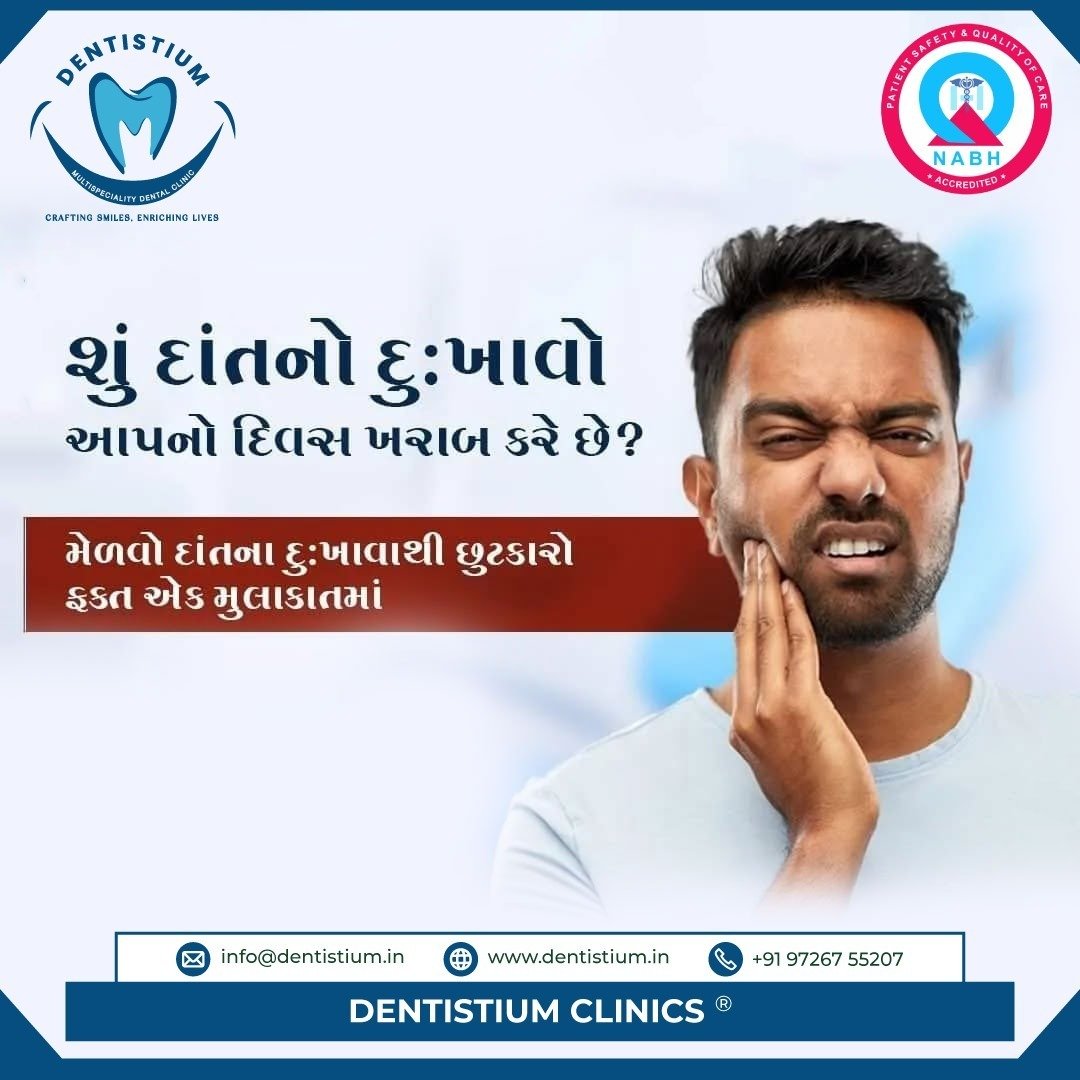
Don’t Ignore the Warning: A Toothache Is Your Mouth Asking for Help

Have you ever felt that sharp, throbbing pain in your tooth and told yourself, “It’ll go away on its own”?

That pain is not random.
It’s not temporary inconvenience.
It’s a warning sign.

A toothache is your mouth asking for help — and ignoring it can cost you more than just comfort. It can steal your smile, your confidence, and even your overall health.

Let’s understand why you should never ignore a toothache and what you should do instead.


Why Do Toothaches Happen?

Tooth pain doesn’t appear without a reason. It’s usually caused by:

1. Tooth Decay (Cavities)

When plaque builds up on your teeth, bacteria produce acids that slowly eat away the enamel. If untreated, decay reaches deeper layers, causing severe pain.

2. Infection or Abscess

When bacteria reach the inner pulp of the tooth, it can cause infection. This may lead to:

  • Intense throbbing pain

  • Swelling in the face or gums

  • Fever

  • Bad taste in the mouth

An abscess is a serious dental emergency.

3. Gum Disease

Bleeding gums, bad breath, and tooth pain may signal gum infection, which can eventually loosen teeth.

4. Cracked or Broken Tooth

Even a small crack can expose sensitive nerves and lead to discomfort.

5. Sensitivity

Pain when eating hot, cold, or sweet foods may indicate enamel wear or early decay.


The Hidden Dangers of Ignoring Tooth Pain

Many people delay dental visits because:

  • The pain comes and goes

  • They’re too busy

  • They fear treatment

  • They assume it’s minor

But untreated dental problems can lead to:

❌ Severe Infection

Infections can spread beyond the tooth to the jaw, neck, and even bloodstream.

❌ Tooth Loss

What could have been fixed with a simple filling may require extraction if delayed.

❌ Expensive Treatments

Early treatment = simple and affordable
Delayed treatment = root canal, crown, or surgery

❌ Impact on Overall Health

Oral infections have been linked to heart disease, diabetes complications, and other systemic issues.


Early Warning Signs You Shouldn’t Ignore

Pay attention if you notice:

  • Persistent tooth pain

  • Pain while chewing

  • Swollen or bleeding gums

  • Sensitivity lasting more than a few seconds

  • Facial swelling

  • Pus or bad taste in the mouth

These are signals your body is sending. Don’t silence them with painkillers alone.


What Should You Do If You Have a Toothache?

Step 1: Don’t Self-Diagnose

Google can’t examine your teeth. A professional evaluation is essential.

Step 2: Avoid Delaying Treatment

Even if the pain reduces, the problem may still exist.

Step 3: Schedule a Dental Check-Up Immediately

Early intervention can save your tooth and prevent complications.


Prevention Is Always Better Than Cure

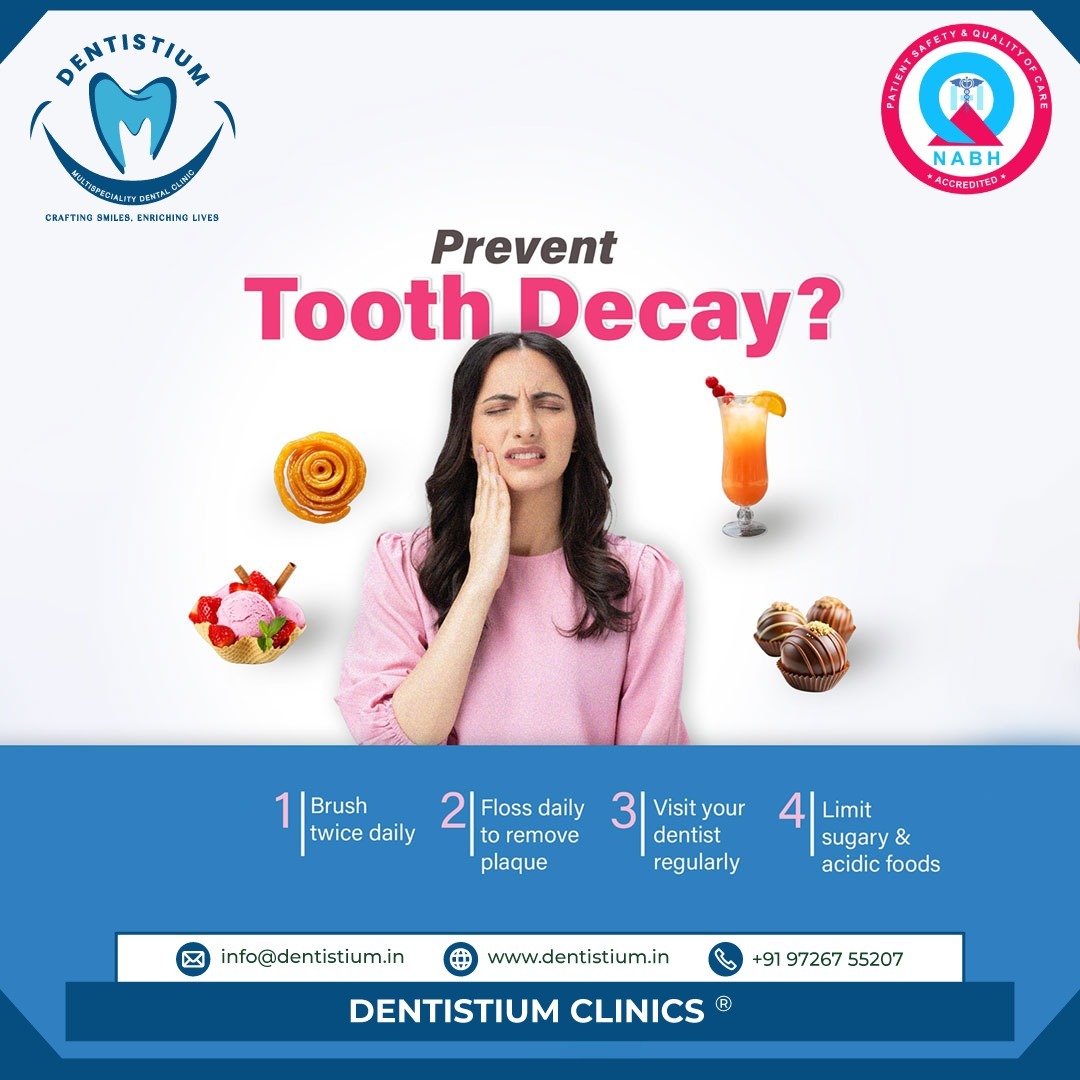
Here’s how you can protect your smile:

  • Brush twice daily with fluoride toothpaste

  • Floss regularly

  • Avoid excessive sugary foods and drinks

  • Drink plenty of water

  • Visit your dentist every 6 months

  • Address minor sensitivity early

Small habits today prevent big problems tomorrow.


Remember: Pain Is a Warning, Not an Enemy

Pain is your body’s alarm system.

When your tooth hurts, it’s not trying to disturb you — it’s trying to protect you.

Ignoring it is like switching off a fire alarm while the fire continues to spread.


Protect Your Smile Before It’s Too Late

A healthy smile boosts confidence, improves overall health, and enhances your quality of life.

Don’t let a small toothache steal your smile.

If you or your loved one is experiencing dental pain, seek professional care immediately. Early diagnosis means faster relief, lower cost, and better outcomes.


Final Thought

Your smile is one of your greatest assets.

When your mouth asks for help — listen.

Because preventing pain today protects your smile tomorrow. 😊


If you’d like, I can also provide:

  • A shorter version for Instagram/Facebook

  • An SEO-optimized version with keywords

  • A version tailored specifically for Dentistium Clinics with brand voice

  • A Google My Business post version

  • A patient education leaflet version

Just tell me where you’d like to use it!

Select your currency
INR Indian rupee
Add to cart