orthodontic care

With Our Expert Orthodontic Care – Take the First Step Toward a Stunning Smile

A confident smile can change the way you feel about yourself — and the way the world sees you. At Dentistium Clinics, we believe everyone deserves a beautifully aligned smile backed by expert care and advanced orthodontic solutions.

Whether you’re considering braces for your child, exploring clear aligners as an adult, or looking to correct long-standing alignment issues, our specialized orthodontic treatments are designed to give you safe, effective, and long-lasting results.


What is Orthodontic Care?

Orthodontic care focuses on correcting misaligned teeth and jaw irregularities. Crooked teeth, gaps, overcrowding, bite issues, and jaw misalignment can affect not only your smile but also your oral health.

Properly aligned teeth help:

  • Improve chewing and digestion

  • Prevent uneven tooth wear

  • Reduce risk of cavities and gum disease

  • Improve speech clarity

  • Boost self-confidence

At Dentistium Clinics, our orthodontic experts create personalized treatment plans tailored to each patient’s needs and goals.


Orthodontic Treatments We Offer

1. Fixed Braces

Fixed braces are one of the most effective and widely used orthodontic treatments.

How They Work:

Brackets are bonded to the teeth and connected with wires that gradually shift teeth into the correct position over time.

Benefits:

✔ Highly effective for complex cases
✔ Suitable for children, teens, and adults
✔ Precise control over tooth movement
✔ Long-lasting results

Modern braces are smaller, more comfortable, and more aesthetically pleasing than ever before.


2. Removable Orthodontic Gears

Removable orthodontic appliances are recommended for specific alignment corrections or early-stage treatments.

Ideal For:

  • Minor tooth corrections

  • Growing children

  • Habit-breaking appliances

  • Retainers after braces

Advantages:

✔ Easy to remove for eating and cleaning
✔ Comfortable and convenient
✔ Helps guide jaw growth in children

Consistency in wearing the appliance as prescribed is key to successful results.


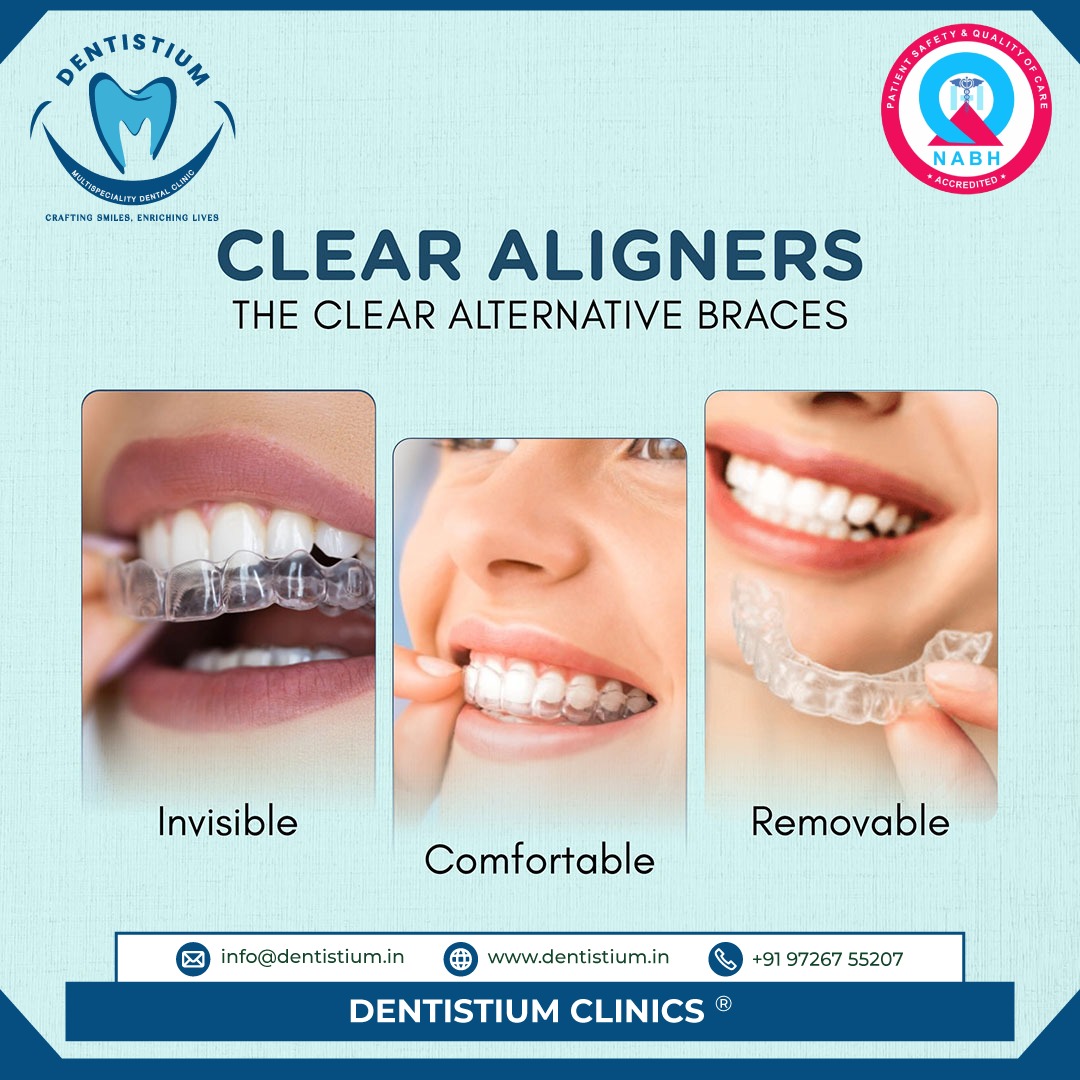
3. Invisalign (Clear Aligners)

Looking for a nearly invisible way to straighten your teeth? Invisalign is a modern alternative to traditional braces.

What is Invisalign?

Invisalign uses a series of clear, custom-made aligners to gradually move your teeth into alignment.

Why Patients Love Invisalign:

✔ Virtually invisible
✔ Removable for eating and brushing
✔ No metal brackets or wires
✔ More comfortable than traditional braces
✔ Ideal for adults and teens

This option is especially popular among working professionals and students who want a discreet solution.


Who Needs Orthodontic Treatment?

Orthodontic treatment may be recommended if you experience:

  • Crooked or crowded teeth

  • Gaps between teeth

  • Overbite or underbite

  • Crossbite

  • Jaw pain or clicking

  • Difficulty chewing

Early evaluation (around age 7) is ideal for children, but orthodontic treatment can be successful at any age.


Why Choose Dentistium Clinics?

At Dentistium Clinics, we combine expertise, advanced technology, and personalized care to ensure the best possible results.

What Sets Us Apart:

🦷 Experienced Orthodontic Specialists
🦷 Modern Diagnostic Technology
🦷 Customized Treatment Plans
🦷 Patient-Centered Approach
🦷 Comfortable & Friendly Environment

We are committed to crafting smiles and enriching lives — because your smile deserves expert care.


What to Expect During Your Orthodontic Journey

  1. Initial Consultation – Detailed examination and digital imaging

  2. Customized Treatment Plan – Based on your needs and smile goals

  3. Active Treatment Phase – Regular adjustments or aligner changes

  4. Retention Phase – Maintaining your beautiful results

Our team ensures that you are informed and comfortable at every step.


The Confidence of a Stunning Smile

Orthodontic treatment is more than straight teeth — it’s about confidence, health, and long-term well-being. Whether you choose fixed braces, removable appliances, or Invisalign, taking the first step today can transform your tomorrow.


Book Your Consultation Today

Your journey to a stunning smile starts here.

📧 info@dentistium.in
🌐 www.dentistium.in
📞 +91 97267 55207

Visit Dentistium Clinics® and let our expert orthodontic care help you achieve the smile you’ve always dreamed of.


If you’d like, I can also provide:

  • SEO meta title & description

  • Social media captions

  • Google My Business post content

  • Short website landing page version

  • Blog with targeted keywords for ranking

Just tell me your preference 😊


Wedding Smile Preparation: Expert Tips for a Whiter, Healthier Smile

Wedding Smile Preparation: Expert Tips for a Whiter, Healthier Smile

Your wedding day is one of the most photographed and memorable days of your life. From candid moments to posed portraits, your smile will be captured in every frame. A bright, healthy smile not only enhances your appearance but also boosts your confidence as you celebrate this special milestone.

If you’re preparing for your big day, here’s a complete guide to achieving a whiter, healthier wedding smile.

1. Start Your Smile Planning Early

When it comes to teeth whitening and cosmetic dental improvements, timing is everything. Ideally, begin your smile preparation at least 2–3 months before your wedding.

Starting early allows time for:

  • Professional consultation

  • Customized treatment planning

  • Whitening sessions

  • Managing tooth sensitivity if needed

  • Final touch-ups closer to the event

Last-minute treatments may not deliver optimal or natural-looking results, so planning ahead ensures a smooth process.


2. Schedule a Professional Dental Check-Up

Before focusing on whitening, it’s important to ensure your teeth and gums are healthy.

A professional dental check-up helps:

  • Detect cavities or gum disease

  • Remove plaque and tartar buildup

  • Improve overall oral hygiene

  • Prepare teeth for cosmetic treatments

Professional scaling and polishing alone can significantly enhance the brightness of your smile.


3. Choose the Right Whitening Option

Not all whitening treatments are the same. Depending on your enamel condition, sensitivity level, and desired shade, your dentist may recommend:

  • In-office professional whitening

  • Take-home whitening trays

  • Combination treatments

  • Cosmetic options like veneers (for more dramatic results)

Professional guidance ensures safe, even, and long-lasting whitening compared to over-the-counter products.


4. Maintain a Consistent Oral Care Routine

Consistency is the key to achieving and maintaining a radiant smile.

Follow these daily habits:

  • Brush twice a day using fluoride toothpaste

  • Floss daily

  • Use a dentist-recommended mouthwash

  • Follow your prescribed whitening regimen

Skipping oral care routines can compromise your whitening results, especially in the weeks leading up to your wedding.


5. Limit Staining Foods and Beverages

Certain foods and drinks can stain your teeth, particularly after whitening treatments.

Reduce intake of:

  • Coffee and tea

  • Red wine

  • Cola and dark sodas

  • Berries

  • Soy sauce

  • Heavily spiced or turmeric-based dishes

If you consume them:

  • Use a straw when possible

  • Rinse your mouth with water afterward

  • Avoid brushing immediately after acidic drinks

These simple steps help preserve your brighter smile.


6. Avoid Smoking and Excessive Alcohol

Smoking is a major cause of tooth discoloration and can negatively impact gum health and breath freshness.

Excessive alcohol consumption:

  • Dries out the mouth

  • Increases staining

  • Weakens enamel

Reducing or eliminating these habits before your wedding will greatly enhance the appearance and health of your smile.


7. Consider Minor Cosmetic Enhancements

If you have chipped, uneven, or slightly misaligned teeth, discuss minor cosmetic corrections with your dentist. Options like bonding, contouring, or clear aligners can make a noticeable difference in your wedding photos.

Even subtle improvements can dramatically boost confidence.


Final Thoughts

Your smile is one of the most powerful accessories you’ll wear on your wedding day. With early planning, professional dental guidance, and consistent oral care, you can achieve a whiter, healthier, and naturally radiant smile.

Start your wedding smile preparation today and walk into your special day with confidence, elegance, and a truly unforgettable smile.

Bleeding Gums: Causes, Warning Signs & When to See a Dentist

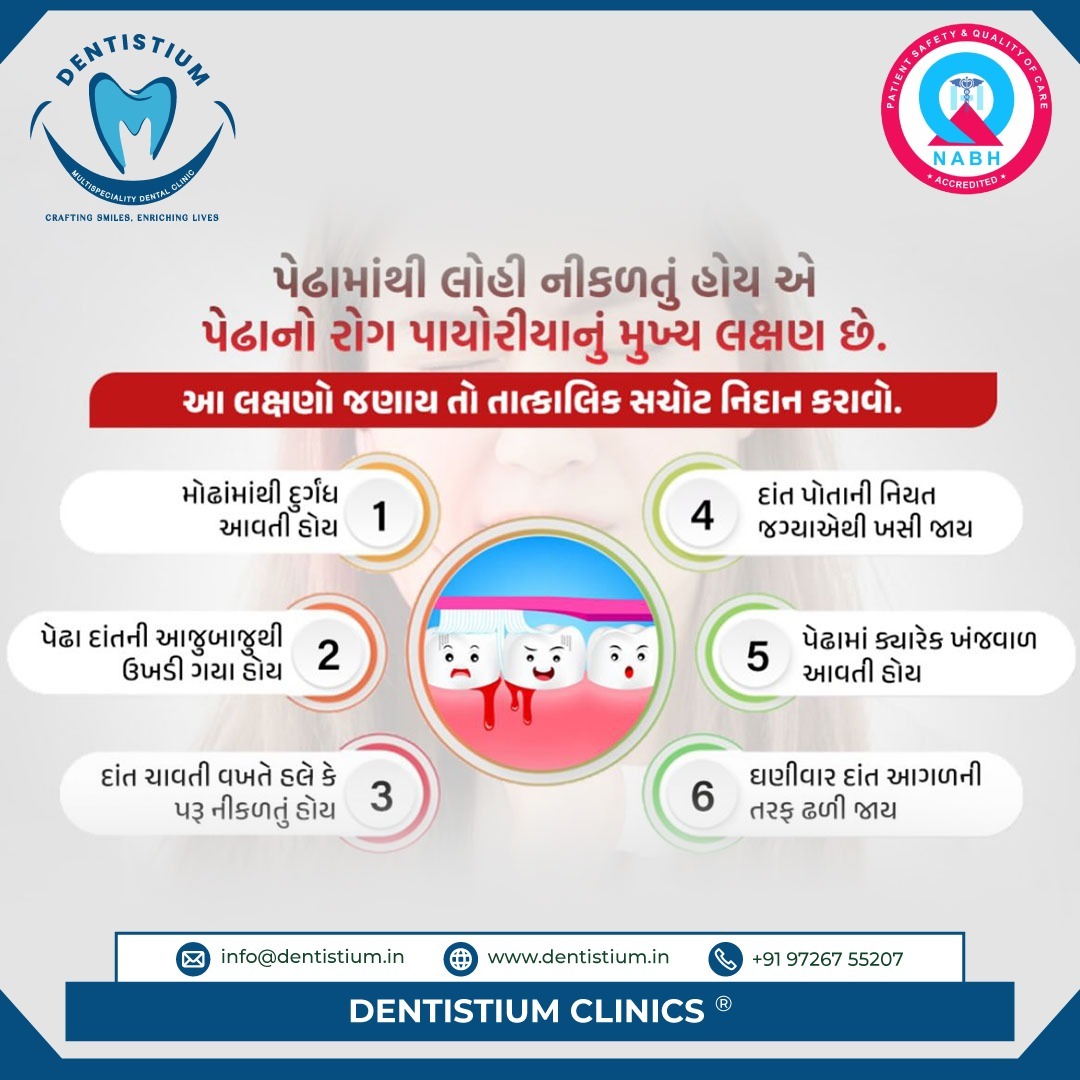
Bleeding gums are a common dental problem that many people ignore—often considering it normal while brushing or flossing. However, healthy gums should never bleed. If you notice blood while brushing, flossing, or eating, it may be a sign that your gums need immediate attention.

One of the most frequent causes is brushing too hard. Using a hard-bristled toothbrush or aggressive technique can injure delicate gum tissue. Similarly, improper flossing—such as snapping floss into the gums—can cause cuts and bleeding.

Another major reason is gingivitis, the early stage of gum disease. Plaque buildup along the gumline leads to inflammation, redness, swelling, and bleeding. If left untreated, gingivitis can progress to periodontitis, which may result in gum recession and tooth loss.

Bleeding may also occur due to infections in the teeth or gums, including abscesses. Additionally, ill-fitting dentures or dental appliances can irritate gum tissue, causing soreness and bleeding over time.

Other contributing factors may include poor oral hygiene, vitamin deficiencies (especially Vitamin C or K), hormonal changes, certain medications, or systemic health conditions.

When Should You See a Dentist?

You should seek professional care if:

  • Bleeding persists for more than a few days

  • Gums are swollen, tender, or painful

  • You experience bad breath or gum recession

  • Teeth feel loose or sensitive

  • There is pus or signs of infection

How to Prevent Bleeding Gums

  • Brush gently twice daily with a soft-bristled toothbrush

  • Floss carefully once a day

  • Use an antibacterial mouthwash if recommended

  • Maintain regular dental checkups and cleanings

  • Eat a balanced diet rich in vitamins

  • Avoid tobacco products

Early treatment can reverse most gum problems and restore healthy, firm gums. Remember—bleeding is your body’s warning sign. Don’t ignore it; protect your smile with timely dental care.

Cracked Tooth: Symptoms, Causes, and When to See a Dentist

A cracked tooth is a common dental problem that can cause discomfort and, if left untreated, lead to serious oral health issues. Cracks may be tiny and difficult to see, but the symptoms can significantly affect your daily life. Understanding the warning signs early can help you protect your smile and avoid complications.

What Is a Cracked Tooth?

A cracked tooth occurs when there is a fracture in the enamel or deeper layers of the tooth. This can result from biting hard foods, teeth grinding, trauma, or large fillings that weaken the tooth structure.

Common Symptoms of a Cracked Tooth

A cracked tooth doesn’t always cause constant pain, which is why it can be tricky to diagnose. Some of the most common symptoms include:

  • Pain while chewing or biting, especially when you release the bite

  • Sensitivity to hot, cold, or sweet foods and drinks

  • Intermittent pain that comes and goes rather than being continuous

  • Swelling or tenderness of the gums around the affected tooth

If you notice any of these signs, it’s important not to ignore them, as the crack can worsen over time.

Why Early Treatment Matters

Leaving a cracked tooth untreated can allow bacteria to enter the inner layers of the tooth, potentially leading to infection, abscess, or even tooth loss. Early diagnosis can often save the tooth with treatments such as dental bonding, crowns, or root canal therapy, depending on the severity.

When Should You See a Dentist?

You should schedule a dental appointment immediately if:

  • Pain occurs repeatedly when chewing

  • Sensitivity lasts more than a few seconds

  • You notice swelling or inflammation around a tooth

  • A tooth feels sharp or uneven with your tongue

How to Prevent a Cracked Tooth

  • Avoid chewing ice, hard candies, or very hard foods

  • Wear a mouthguard if you grind your teeth

  • Don’t use your teeth as tools to open packages

  • Maintain regular dental check-ups

Final Thoughts

A cracked tooth may seem minor at first, but early attention can prevent pain, infection, and costly treatments. If you’re experiencing symptoms, consult a dental professional as soon as possible to protect your oral health and keep your smile strong.

a root canal

What Happens During a Root Canal? – A Complete Patient Guide

A root canal treatment is one of the most common and effective dental procedures used to save a damaged or infected tooth. Many people feel anxious when they hear the words “root canal,” but modern dentistry has made the procedure safe, painless, and highly successful. This blog explains everything you need to know about what happens during a root canal and why it is important for your oral health.


What Is a Root Canal?

Inside every tooth is a soft tissue called the pulp, which contains nerves, blood vessels, and connective tissue. When this pulp becomes infected due to deep decay, repeated dental procedures, cracks, or trauma, it can cause severe pain and swelling. A root canal treatment removes this infected pulp, cleans the tooth from inside, and seals it to prevent further infection.


When Do You Need a Root Canal?

You may need a root canal if you experience:

  • Persistent tooth pain

  • Sensitivity to hot or cold that lasts long

  • Swollen or tender gums

  • Darkening of the tooth

  • Pus or abscess near the tooth

Ignoring these symptoms can lead to worsening infection and possible tooth loss.


Step-by-Step: What Happens During a Root Canal?

1. Examination and X-rays

The dentist first examines your tooth and takes an X-ray to assess the extent of infection and the shape of the root canals.

2. Local Anesthesia

Local anesthesia is given to numb the area around the tooth. This ensures the procedure is comfortable and painless.

3. Opening the Tooth

A small opening is made on the chewing surface of the tooth to access the infected pulp inside.

4. Removal of Infected Pulp

The damaged pulp, nerves, and bacteria are carefully removed from the root canals using specialized instruments.

5. Cleaning and Disinfection

The canals are thoroughly cleaned, shaped, and disinfected to remove any remaining bacteria and reduce the risk of reinfection.

6. Filling and Sealing

The cleaned canals are filled with a biocompatible material (usually gutta-percha) and sealed tightly to protect the tooth.

7. Tooth Restoration

A temporary or permanent filling is placed. In most cases, a dental crown is recommended to restore strength, function, and appearance.


Is Root Canal Treatment Painful?

No. With modern anesthesia and techniques, a root canal is usually no more uncomfortable than getting a regular filling. In fact, the procedure relieves the pain caused by infection.


What to Expect After the Treatment?

  • Mild soreness for a few days is normal

  • Avoid chewing hard foods on the treated tooth until fully restored

  • Maintain good oral hygiene

  • Follow up for crown placement if advised

With proper care, a root canal–treated tooth can last a lifetime.


Benefits of Root Canal Treatment

  • Relieves tooth pain

  • Stops the spread of infection

  • Saves your natural tooth

  • Restores chewing and appearance

  • Prevents tooth extraction


Final Thoughts

A root canal is a tooth-saving procedure that protects your smile and oral health. Early treatment leads to better results and prevents complications. If you are experiencing tooth pain or sensitivity, consult your dentist promptly to see if a root canal is the right solution.

If you want, I can also:

  • Optimize this blog for SEO

  • Add FAQs

  • Write it in Hindi or Gujarati

  • Customize it for your dental clinic website

missing teeth

🦷 Missing Teeth: Causes, Problems & Best Treatment Options

Missing teeth are more than just a cosmetic concern—they can significantly affect your oral health, confidence, and overall quality of life. Whether you’ve lost a tooth due to decay, injury, or age-related issues, timely replacement is essential to maintain a healthy smile.

🔍 Common Causes of Missing Teeth

  • Tooth decay leading to extraction

  • Gum disease (periodontitis)

  • Accidents or trauma

  • Congenital absence (born without teeth)

  • Poor oral hygiene

⚠️ Problems Caused by Missing Teeth

Ignoring missing teeth can lead to several complications:

  • Difficulty in chewing and speaking

  • Shifting of nearby teeth, causing misalignment

  • Bone loss in the jaw

  • Facial sagging and premature aging

  • Reduced self-confidence and smile aesthetics

✅ Best Treatment Options for Missing Teeth

Modern dentistry offers multiple solutions depending on your needs:

🔹 Dental Implants

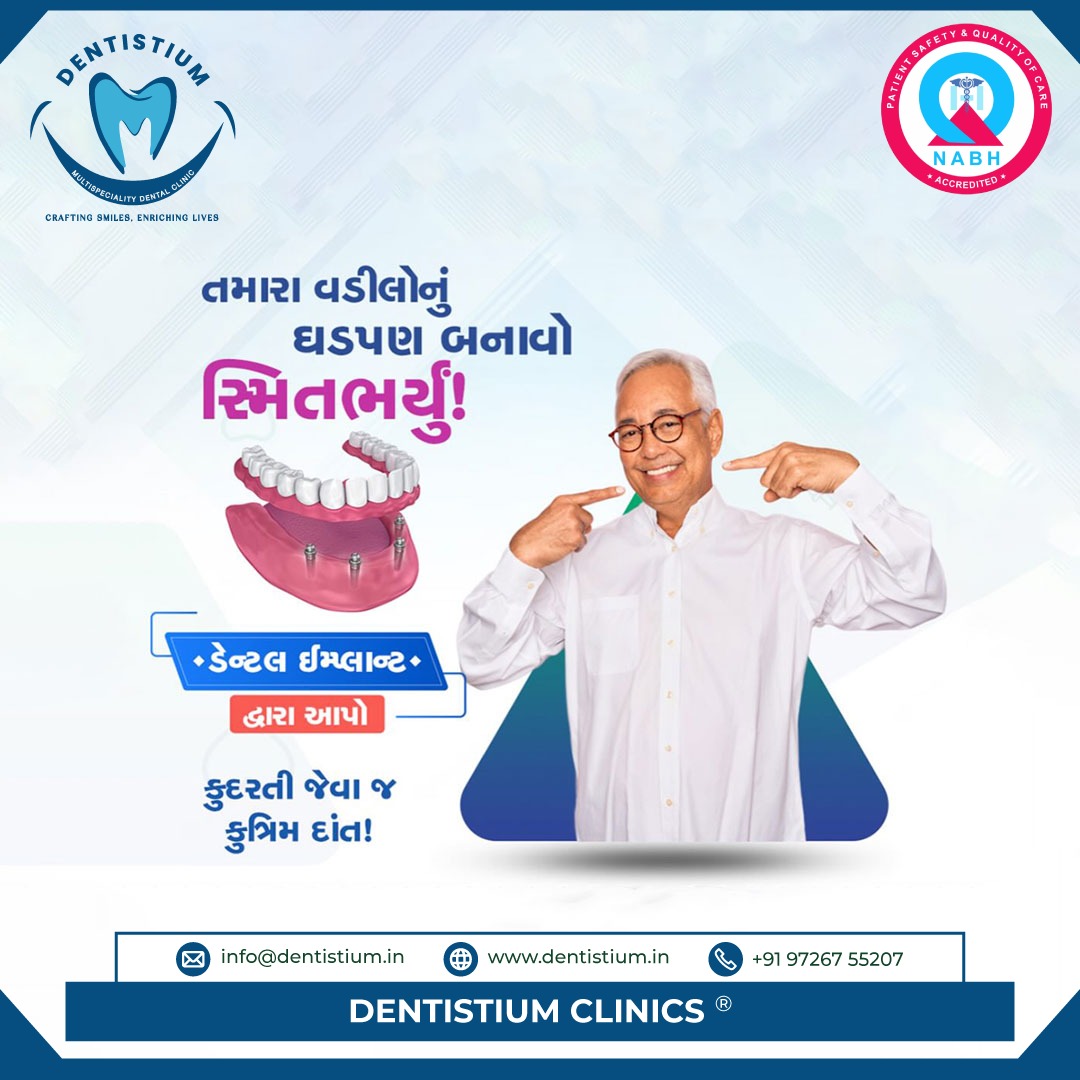
The most advanced and long-lasting solution. Implants look, feel, and function like natural teeth while preserving jawbone health.

🔹 Dental Bridges

Ideal when adjacent teeth are healthy. Bridges fill the gap by anchoring artificial teeth to nearby natural teeth.

🔹 Dentures (Partial or Full)

A cost-effective option for multiple missing teeth, designed to restore function and appearance.

😊 Why Early Replacement Matters

Replacing missing teeth early helps:

  • Prevent bone loss

  • Maintain facial structure

  • Improve chewing efficiency

  • Restore confidence and smile

🏥 Restore Your Smile Today

If you’re living with missing teeth, don’t wait. A personalized dental consultation can help you choose the best treatment option and bring back your healthy, confident smile.

Fix Your Smile Without Metal: The Clear Advantage of Invisalign Aligners

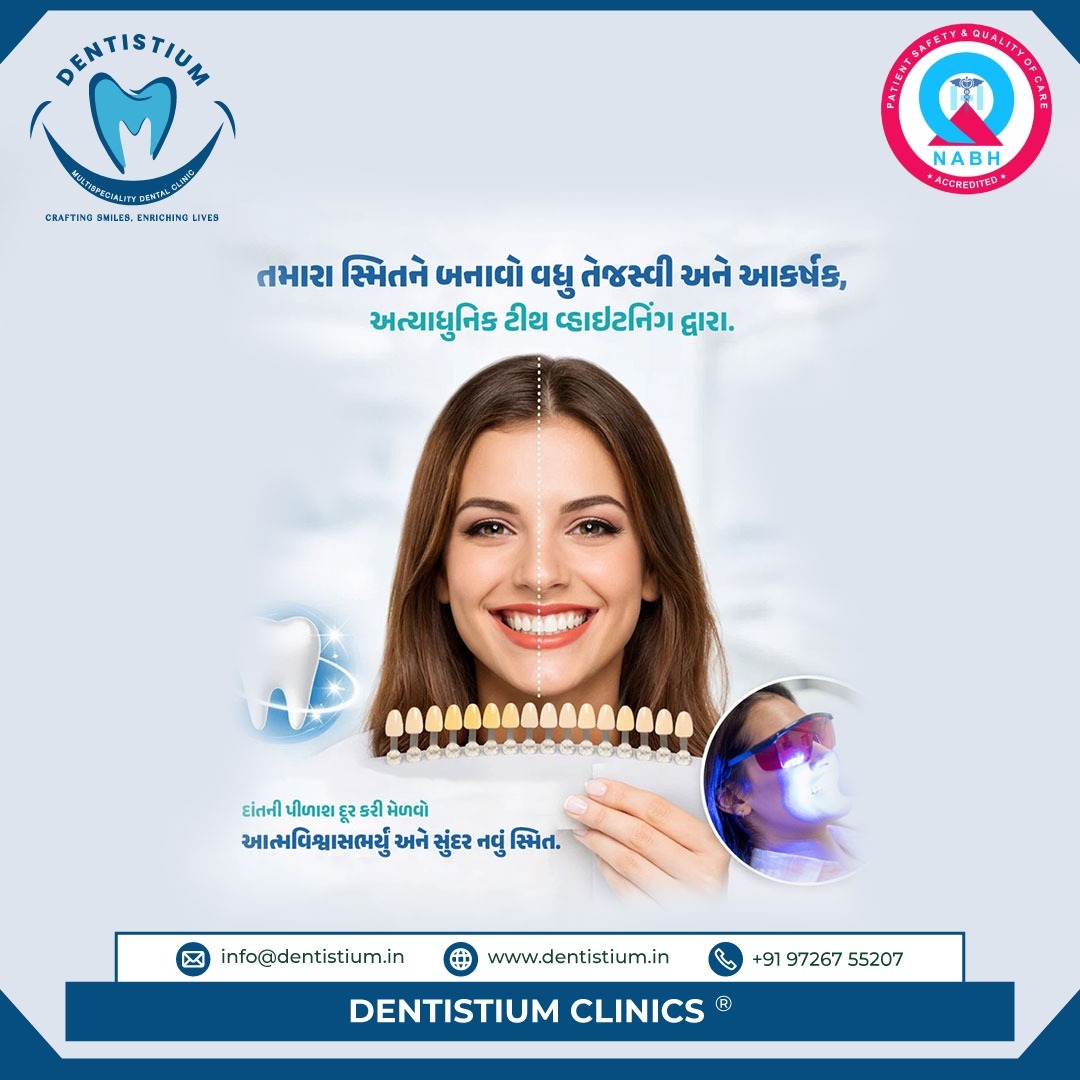
Tooth Whitening Before and After: Transform Your Smile with Confidence

A bright, white smile is one of the first things people notice—and it plays a powerful role in building confidence. Over time, teeth can become stained or discolored due to daily habits and lifestyle choices. Professional tooth whitening is a safe and effective way to restore the natural brightness of your smile. Let’s explore the before and after impact of tooth whitening and why it’s one of the most popular cosmetic dental treatments today.


Why Do Teeth Lose Their Whiteness?

Teeth discoloration can happen for several reasons, including:

  • Regular consumption of tea, coffee, or cola

  • Tobacco use (smoking or chewing)

  • Poor oral hygiene

  • Aging and enamel thinning

  • Certain medications

These factors cause teeth to appear yellow, dull, or stained, affecting the overall appearance of your smile.


Tooth Whitening: Before Treatment

Before whitening, teeth may look:

  • Yellowish or brownish in color

  • Unevenly stained

  • Dull and less attractive

Such discoloration often makes people feel conscious while smiling, speaking, or posing for photos.


Tooth Whitening: After Treatment

After professional tooth whitening at Dentistium Clinics, the transformation is clearly visible:

  • Teeth appear several shades whiter

  • Stains are significantly reduced

  • Smile looks cleaner, fresher, and youthful

  • Confidence improves instantly

The results are natural-looking and achieved without damaging the tooth enamel.


Benefits of Professional Tooth Whitening

  • Safe and dentist-supervised procedure

  • Quick treatment with instant results

  • Non-invasive and painless

  • Enhances facial aesthetics

  • Boosts self-confidence

Unlike over-the-counter products, professional whitening ensures even color and long-lasting results.


Who Is an Ideal Candidate for Tooth Whitening?

Tooth whitening is suitable for individuals who:

  • Have healthy teeth and gums

  • Want to remove stains or discoloration

  • Desire a brighter, more confident smile

A dental consultation is recommended to determine the best whitening option for you.


Why Choose Dentistium Clinics?

At Dentistium Multispeciality Dental Clinic, we use advanced whitening techniques and high-quality materials to deliver safe, effective, and lasting results. Our expert dental team ensures personalized care for every patient.

Fix Your Smile Without Metal: The Clear Advantage of Invisalign Aligners

A confident smile can transform the way you look and feel. Traditional metal braces have long been the standard solution for crooked or misaligned teeth, but many people hesitate due to discomfort and appearance. Thanks to modern dental technology, Invisalign aligners now offer a clear, comfortable, and effective alternative. At Dentistium Clinics, we help patients achieve beautifully aligned smiles—without metal braces.


What Are Invisalign Aligners?

Invisalign aligners are custom-made, transparent trays designed to gradually straighten teeth. Created using advanced digital scanning and planning, each aligner gently moves your teeth into their ideal position. Since they are nearly invisible, most people won’t even notice you’re wearing them.


Why Choose Invisalign Over Metal Braces?

1. Virtually Invisible

Invisalign aligners are made from clear, medical-grade material, making them almost unnoticeable. You can smile, talk, and socialize with confidence throughout your treatment.

2. Comfortable & Smooth

Unlike metal braces, Invisalign has no sharp wires or brackets. The smooth aligners reduce irritation and make the overall experience far more comfortable.

3. Removable for Convenience

You can remove Invisalign aligners while eating, brushing, and flossing. This means no food restrictions and better oral hygiene during treatment.

4. Predictable Digital Results

Using digital smile planning, you can see a preview of your expected results even before treatment begins. This ensures precision, accuracy, and confidence in the outcome.


Who Is Invisalign Suitable For?

Invisalign is an excellent option for teens and adults with:

  • Crowded teeth

  • Gaps between teeth

  • Overbite or underbite

  • Crossbite

  • Mild to moderate misalignment

A consultation at Dentistium Clinics will help determine if Invisalign is the right solution for your smile.


Invisalign Treatment Process at Dentistium Clinics

Step 1: Digital Smile Assessment

We begin with a detailed digital scan of your teeth—no messy impressions required.

Step 2: Customized Treatment Plan

Our dentists design a personalized Invisalign plan that maps your tooth movement step by step.

Step 3: Wearing Your Aligners

You’ll wear each set of aligners for about 1–2 weeks, gradually moving your teeth into position.

Step 4: Smile Transformation

As treatment progresses, you’ll notice visible improvements, leading to a confident, perfectly aligned smile.


Benefits of Invisalign at Dentistium Clinics

  • Advanced digital dentistry technology

  • Experienced dental professionals

  • Comfortable, patient-friendly care

  • Personalized smile solutions

  • Long-lasting, natural-looking results


Say Goodbye to Metal Braces

Invisalign aligners make orthodontic treatment easier, more comfortable, and more aesthetic than ever before. With clear aligners, you can fix your smile without drawing attention to your treatment.


Book Your Invisalign Consultation Today

If you’re ready to transform your smile discreetly and comfortably, visit Dentistium Clinics today. Let us help you achieve the confident smile you deserve—without metal braces.

What Causes Bad Breath? Common Reasons You Should Know

Bad breath, also known as halitosis, is a common oral health concern that can affect confidence and social interactions. While occasional bad breath is normal, persistent odor may indicate underlying dental or lifestyle issues. Understanding the causes of bad breath is the first step toward maintaining fresh breath and a healthy smile.

1. Plaque Build-Up

Plaque is a sticky film of bacteria that forms on teeth, gums, and the back of the tongue. When plaque is not removed through proper brushing and flossing, bacteria release foul-smelling sulfur compounds, leading to bad breath. Regular dental cleanings and daily oral hygiene are essential to prevent plaque accumulation.

2. Poor Dental Hygiene

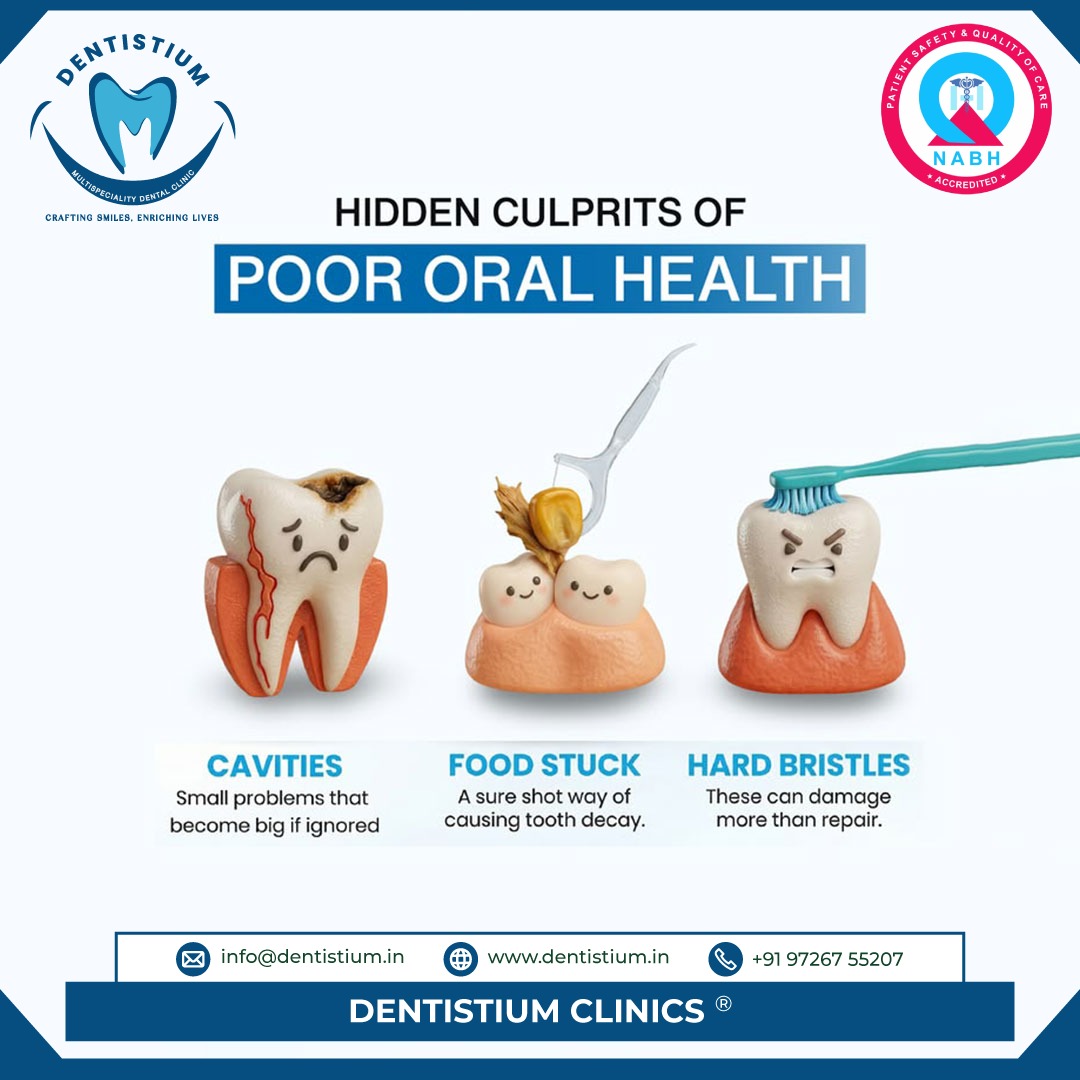
Failing to brush and floss regularly allows food particles to remain in the mouth. These particles break down and encourage bacterial growth, which causes unpleasant odors. Brushing twice a day, flossing daily, and cleaning the tongue can significantly reduce bad breath.

3. Dry Mouth

Saliva plays an important role in washing away food debris and bacteria. Dry mouth, caused by stress, mouth breathing, dehydration, or certain medications, reduces saliva flow and increases bad breath. Drinking plenty of water and addressing the root cause of dry mouth can help maintain oral freshness.

4. Diet

Certain foods such as garlic, onions, and spicy dishes are well known for causing bad breath. These foods release strong odors that can linger even after brushing. Maintaining a balanced diet and rinsing the mouth after meals can help minimize odor.

5. Smoking and Tobacco Use

Smoking not only causes its own unpleasant odor but also dries out the mouth and increases the risk of gum disease, a major contributor to bad breath. Quitting smoking can greatly improve both oral health and overall well-being.

When to See a Dentist

If bad breath persists despite good oral hygiene, it may be a sign of gum disease, tooth decay, or other oral health issues. Regular dental checkups help identify and treat problems early, ensuring long-lasting fresh breath.

Select your currency
INR Indian rupee
Add to cart