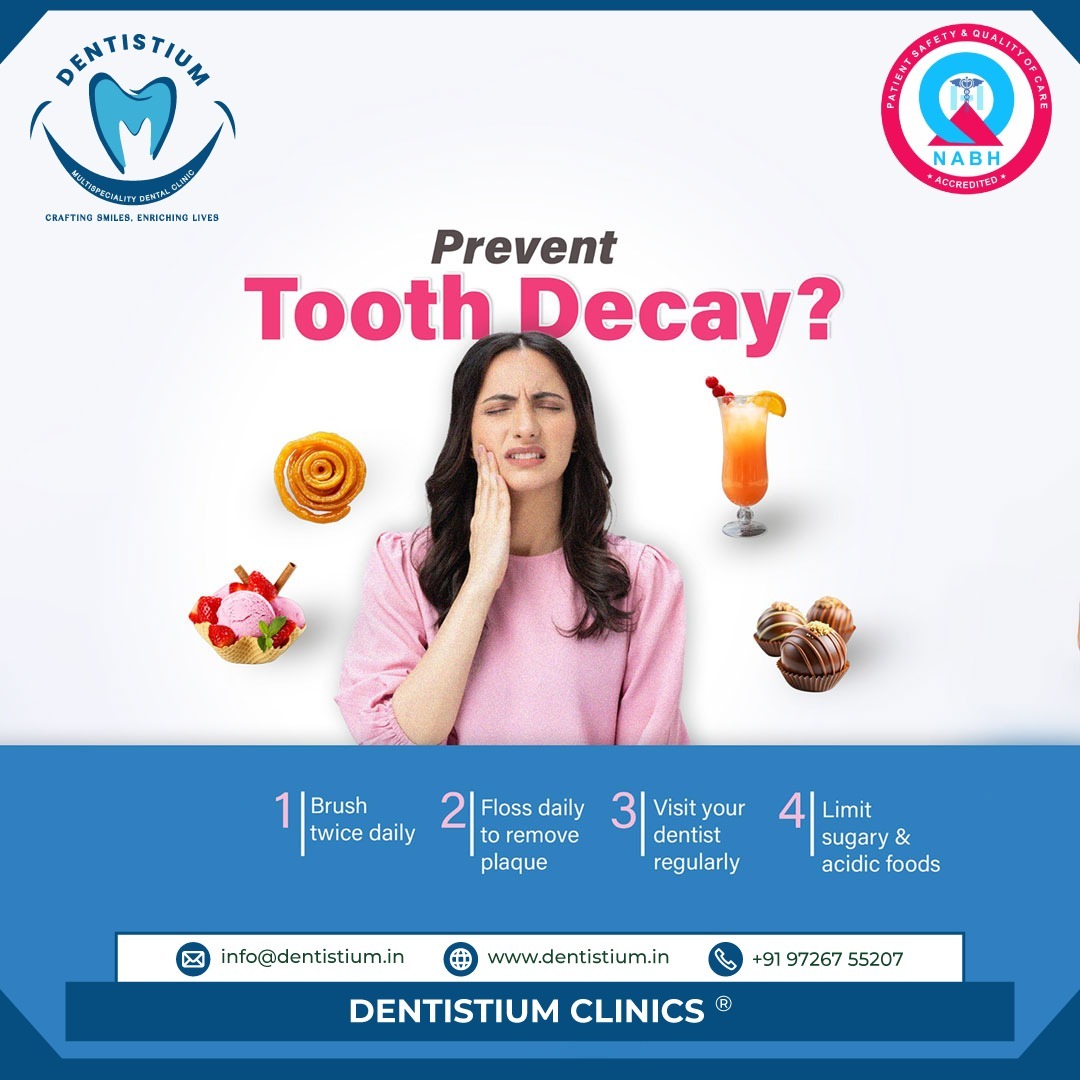
๐Ÿฆท Prevent Tooth Decay Before It Starts | Simple Tips for a Healthier Smile

Prevent Tooth Decay: 4 Simple Habits for a Lifetime of Healthy Smiles

A bright, healthy smile is more than just a confidence boosterโ€”it’s a reflection of your overall health. Unfortunately, tooth decay (dental cavities) is one of the most common oral health problems affecting children and adults alike. The good news? Tooth decay is largely preventable with the right oral hygiene habits and regular dental care.

At Dentistium Multispeciality Dental Clinic, we believe that prevention is always better than treatment. By following a few simple daily practices, you can keep your teeth strong, healthy, and cavity-free.

What is Tooth Decay?

Tooth decay occurs when bacteria in the mouth feed on sugars from food and drinks, producing acids that gradually damage the tooth’s protective enamel. If left untreated, decay can progress deeper into the tooth, causing pain, infection, and even tooth loss.

Common Signs of Tooth Decay

  • Tooth sensitivity to hot, cold, or sweet foods
  • Persistent toothache
  • Visible holes or pits in the teeth
  • Brown, black, or white spots on the tooth surface
  • Pain while chewing
  • Bad breath caused by bacterial buildup

Early diagnosis can prevent minor cavities from becoming major dental problems.

4 Simple Ways to Prevent Tooth Decay

1. Brush Twice Daily

Brush your teeth for at least two minutes, twice a day, using fluoride toothpaste. Brushing removes plaque, food particles, and harmful bacteria that cause cavities.

Tip: Replace your toothbrush every 3โ€“4 months or sooner if the bristles become worn.

2. Floss Every Day

Your toothbrush cannot reach the tight spaces between your teeth. Daily flossing removes plaque and food debris from these areas, reducing the risk of cavities and gum disease.

3. Visit Your Dentist Regularly

Routine dental check-ups and professional cleanings help detect dental problems before they become serious. Your dentist can identify early signs of tooth decay and provide preventive treatments such as fluoride applications or dental sealants when needed.

Experts recommend visiting your dentist every six months or as advised.

4. Limit Sugary and Acidic Foods

Frequent consumption of sugary snacks, soft drinks, candies, and acidic beverages increases the risk of enamel erosion and cavities.

Choose healthier alternatives like:

  • Fresh fruits
  • Vegetables
  • Dairy products
  • Nuts
  • Plenty of water

Drinking water after meals also helps wash away food particles and neutralize acids.

Additional Tips for Healthy Teeth

  • Use a fluoride mouthwash if recommended by your dentist.
  • Avoid frequent snacking between meals.
  • Drink plenty of water throughout the day.
  • Encourage children to develop healthy oral hygiene habits from an early age.
  • Avoid tobacco products, which can increase the risk of oral diseases.

Why Prevention Matters

Preventive dental care not only keeps your smile healthy but also saves you from expensive and complex dental treatments in the future. Small daily habits can make a significant difference in maintaining strong teeth and healthy gums for life.

Trust Your Smile to Dentistium Multispeciality Dental Clinic

At Dentistium Multispeciality Dental Clinic, our experienced dental professionals are committed to providing comprehensive preventive, restorative, and cosmetic dental care in a safe, patient-friendly environment. As a NABH-accredited dental clinic, we focus on delivering quality care with advanced technology and personalized treatment plans.

Whether you need a routine dental check-up, professional cleaning, cavity treatment, or complete smile care, we’re here to help you achieve optimal oral health.

Schedule Your Dental Check-up Today!

Dentistium Multispeciality Dental Clinic
๐Ÿ“ Ahmedabad, Gujarat
๐ŸŒ www.dentistium.in
๐Ÿ“ง info@dentistium.in
๐Ÿ“ž +91 97267 55207

A healthy smile starts with prevention. Brush, floss, eat wisely, and visit your dentist regularly to keep tooth decay away! ๐Ÿฆทโœจ

ย 
ย 
ย 

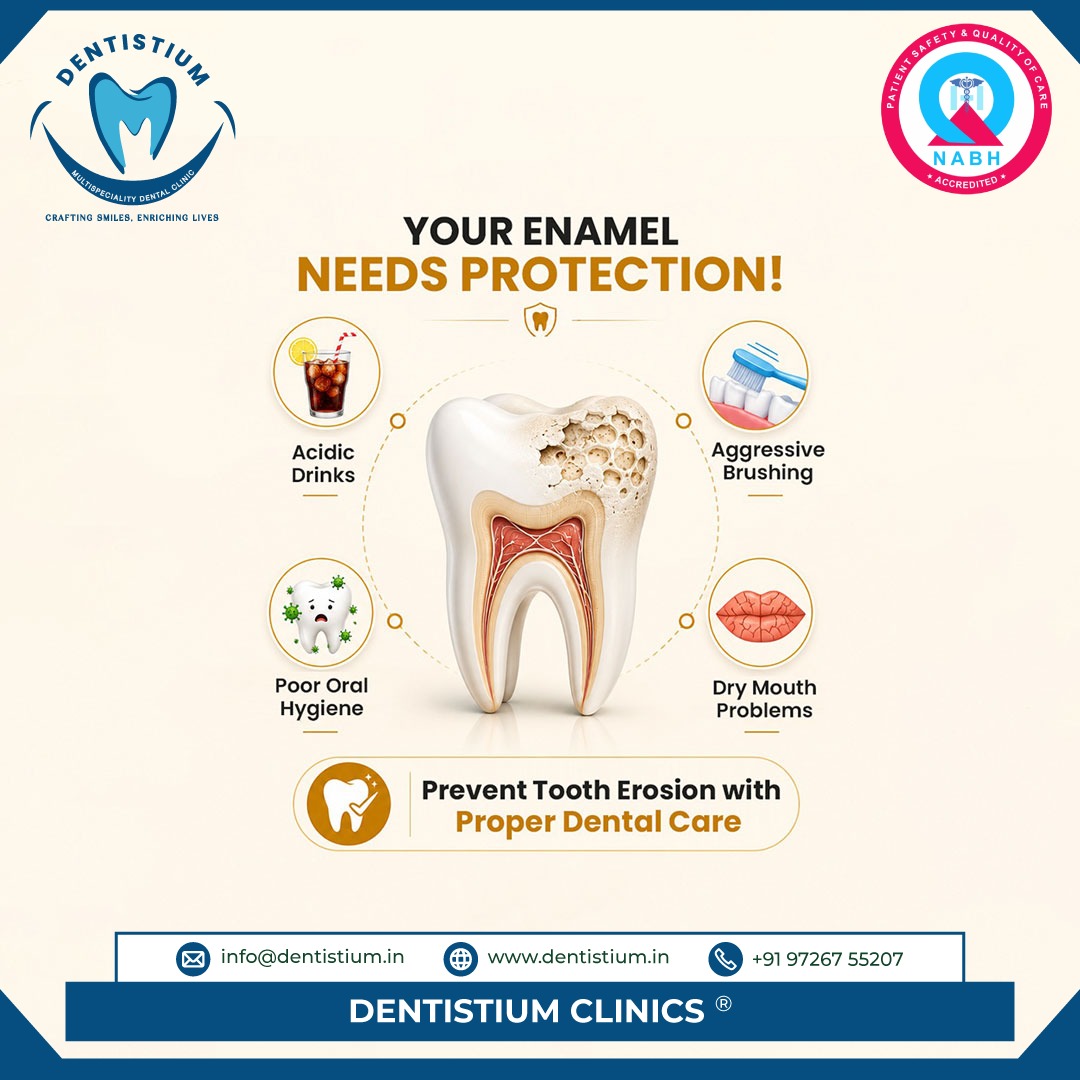
Your Enamel Needs Protection: Simple Steps for a Stronger, Healthier Smile ๐Ÿฆท

Your Enamel Needs Protection: How to Prevent Tooth Erosion and Keep Your Smile Healthy

A healthy smile begins with strong, healthy enamel. Tooth enamel is the hard outer layer of your teeth that protects them from daily wear and tear, bacteria, and temperature changes. Although enamel is the hardest substance in the human body, it is not indestructible. Once it wears away, it cannot regenerate naturally.

Understanding what causes enamel erosion and how to prevent it can help you maintain a healthy, confident smile for years to come.

What Is Tooth Enamel?

Enamel is the protective outer covering of your teeth. It shields the softer inner layers from decay, sensitivity, and damage caused by chewing, biting, and exposure to hot or cold foods. Because enamel cannot repair itself, prevention is the key to preserving your oral health.

Common Causes of Enamel Erosion

1. Acidic Drinks and Foods

Frequent consumption of soft drinks, energy drinks, citrus fruits, and fruit juices exposes your teeth to acids that gradually dissolve enamel. Even sugar-free acidic beverages can contribute to erosion.

Tip:ย Drink acidic beverages in moderation, use a straw when possible, and rinse your mouth with water afterward.

2. Aggressive Brushing

Brushing too hard or using a hard-bristled toothbrush can wear away enamel over time and damage your gums.

Tip:ย Use a soft-bristled toothbrush and brush gently using circular motions for two minutes, twice a day.

3. Poor Oral Hygiene

Inadequate brushing and flossing allow plaque and bacteria to build up, producing acids that weaken enamel and increase the risk of cavities.

Tip:ย Brush twice daily with fluoride toothpaste, floss every day, and visit your dentist regularly for professional cleanings.

4. Dry Mouth

Saliva plays a crucial role in neutralizing acids and protecting enamel. A lack of saliva due to dehydration, medications, or certain medical conditions increases the risk of enamel erosion.

Tip:ย Stay hydrated, chew sugar-free gum to stimulate saliva production, and consult your dentist if dry mouth persists.

Signs of Enamel Erosion

Be aware of these early warning signs:

  • Increased tooth sensitivity
  • Yellowing teeth due to exposed dentin
  • Rounded or rough tooth edges
  • Small cracks or chips
  • Pain when consuming hot, cold, or sweet foods
  • Increased risk of cavities

If you notice any of these symptoms, seek dental care promptly to prevent further damage.

How to Protect Your Enamel

Maintaining healthy enamel is easier than repairing damaged teeth. Follow these simple habits:

  • Brush gently with fluoride toothpaste.
  • Floss daily to remove plaque between teeth.
  • Limit sugary and acidic foods and drinks.
  • Drink plenty of water throughout the day.
  • Wait at least 30 minutes to brush after consuming acidic foods or beverages.
  • Visit your dentist every six months for preventive checkups and cleanings.

Why Regular Dental Visits Matter

Routine dental examinations help detect enamel erosion before it becomes severe. Professional fluoride treatments, personalized oral care advice, and early intervention can prevent costly and complex dental procedures in the future.

Protect Your Smile with Dentistium Clinics

Atย Dentistium Clinics, we believe prevention is the foundation of lifelong oral health. Our experienced dental professionals provide comprehensive checkups, preventive treatments, and personalized care to help you maintain strong enamel and a beautiful smile.

Whether you’re experiencing tooth sensitivity or simply want to keep your teeth healthy, we’re here to help every step of the way.

Final Thoughts

Your enamel protects your smile every day, so it’s important to protect it in return. By making small changes to your daily habits and scheduling regular dental visits, you can prevent enamel erosion and enjoy healthier, stronger teeth for years to come.

Book your appointment with Dentistium Clinics today and give your smile the care it deserves.ย ๐Ÿฆทโœจ

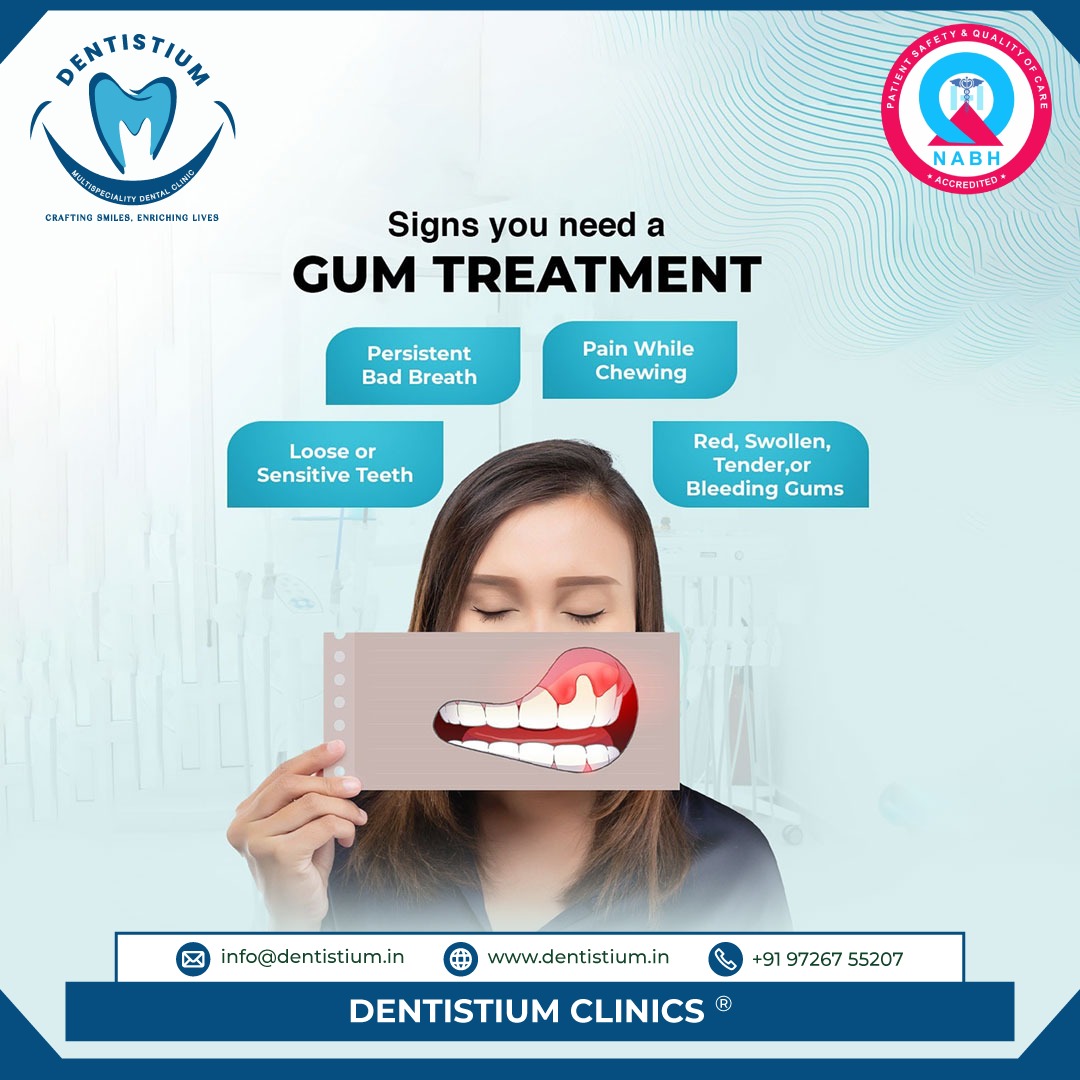
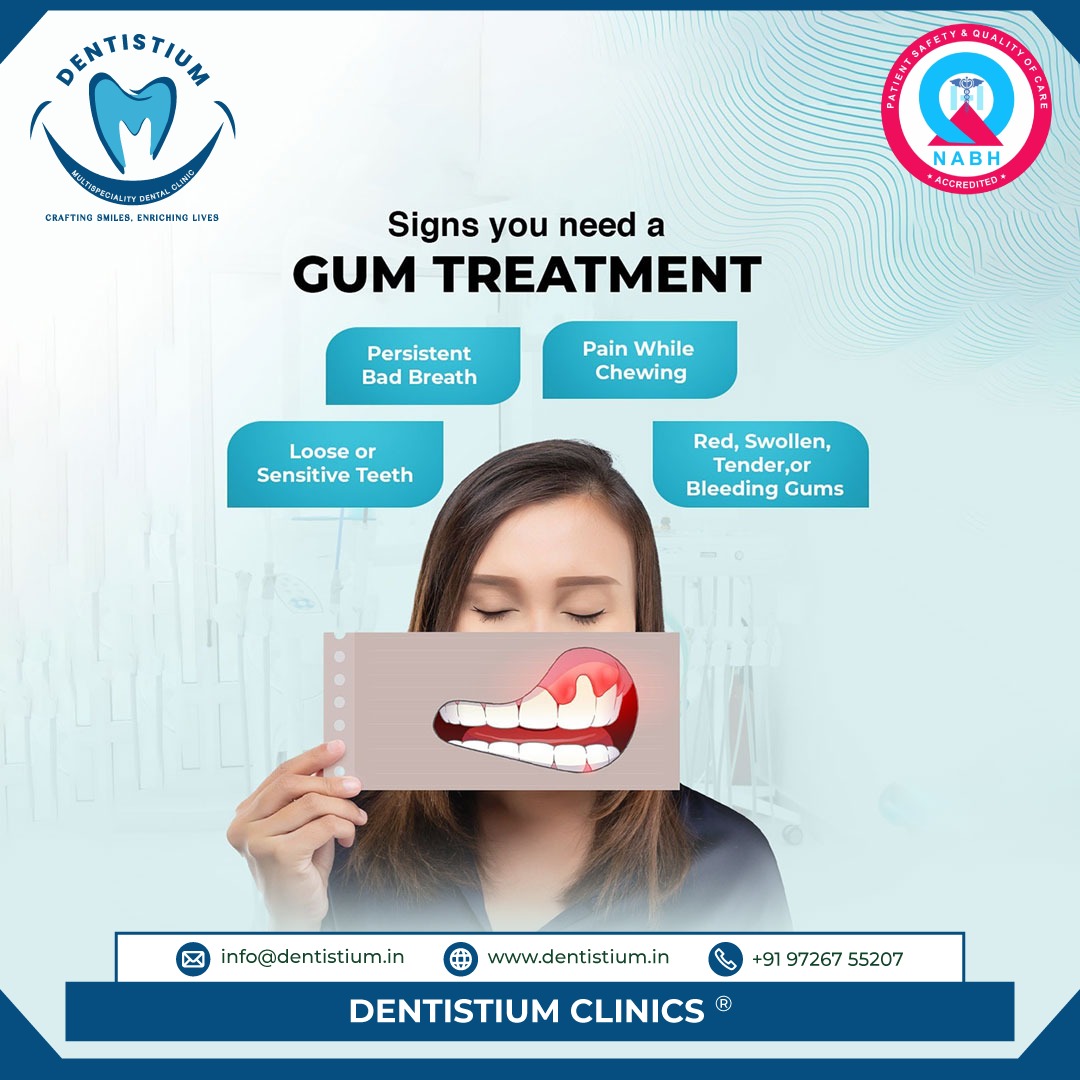
Healthy Gums, Healthy Smile โ€“ Know the Signs Before It’s Too Late! ๐Ÿฆทโœจ

Your gums are the foundation of a healthy smile. Ignoring early signs of gum disease can lead to serious dental problems, including tooth loss. If you’re experiencing persistent bad breath, bleeding gums, pain while chewing, or loose and sensitive teeth, it’s time to seek professional care.

At Dentistium Multispeciality Dental Clinic, our experienced dental team provides advanced gum treatments using modern technology to restore your oral health and protect your smile. Early diagnosis and timely treatment can help prevent complications and keep your teeth strong for years to come.

๐Ÿ“ž Book your consultation today and take the first step towards healthier gums and a confident smile!

Signs You Need Gum Treatment: Donโ€™t Ignore These Warning Signals

Your gums play a crucial role in maintaining a healthy smile. While many people focus on their teeth, healthy gums are equally important for strong oral health. Gum disease often develops silently, and if left untreated, it can lead to serious complications such as tooth loss, bone damage, and persistent oral infections.

Recognizing the early signs of gum problems can help you seek treatment before the condition becomes severe.

Common Signs You May Need Gum Treatment

1. Persistent Bad Breath

If you experience bad breath that doesn’t improve despite brushing and using mouthwash, it may be caused by bacteria trapped beneath the gum line. This is often an early sign of gum infection.

2. Red, Swollen, or Bleeding Gums

Healthy gums should appear firm and pink. If your gums bleed while brushing or flossing, or if they appear red and swollen, it could indicate gingivitisโ€”the earliest stage of gum disease.

3. Pain While Chewing

Discomfort or pain during chewing can occur when gum tissues become inflamed or infected. Ignoring this symptom may allow the condition to worsen over time.

4. Loose or Sensitive Teeth

As gum disease progresses, it can damage the supporting structures around your teeth. This may lead to increased tooth sensitivity, shifting teeth, or even tooth mobility.

Why Early Treatment Matters

Gum disease doesn’t just affect your mouthโ€”it can also impact your overall health. Research has linked advanced gum disease to conditions such as diabetes, heart disease, and other systemic health concerns. Early diagnosis and treatment can prevent extensive dental procedures in the future.

How Gum Treatment Can Help

Professional gum treatment may include:

  • Deep cleaning (Scaling and Root Planing)
  • Laser Gum Therapy
  • Periodontal Maintenance
  • Gum Infection Management
  • Oral Hygiene Education and Preventive Care

These treatments help remove harmful bacteria, reduce inflammation, and restore gum health.

Tips for Maintaining Healthy Gums

โœ” Brush twice daily with a soft-bristled toothbrush
โœ” Floss every day to remove plaque between teeth
โœ” Use an antibacterial mouthwash
โœ” Avoid tobacco products
โœ” Schedule regular dental check-ups and cleanings

Conclusion

Healthy gums are the foundation of a beautiful and confident smile. If you notice symptoms such as bleeding gums, persistent bad breath, pain while chewing, or loose teeth, don’t delay seeking professional dental care. Early intervention can save your teeth, protect your oral health, and prevent more serious complications.

Visit Dentistium Multispeciality Dental Clinic

Our experienced dental team is committed to providing advanced gum care and personalized treatment solutions to help you maintain a healthy, confident smile.

๐Ÿ“ž Call: +91 97267 55207
๐ŸŒ Website: www.dentistium.in
๐Ÿ“ง Email: info@dentistium.in

Healthy Gums = Healthy Smile! ๐Ÿฆท

ย 

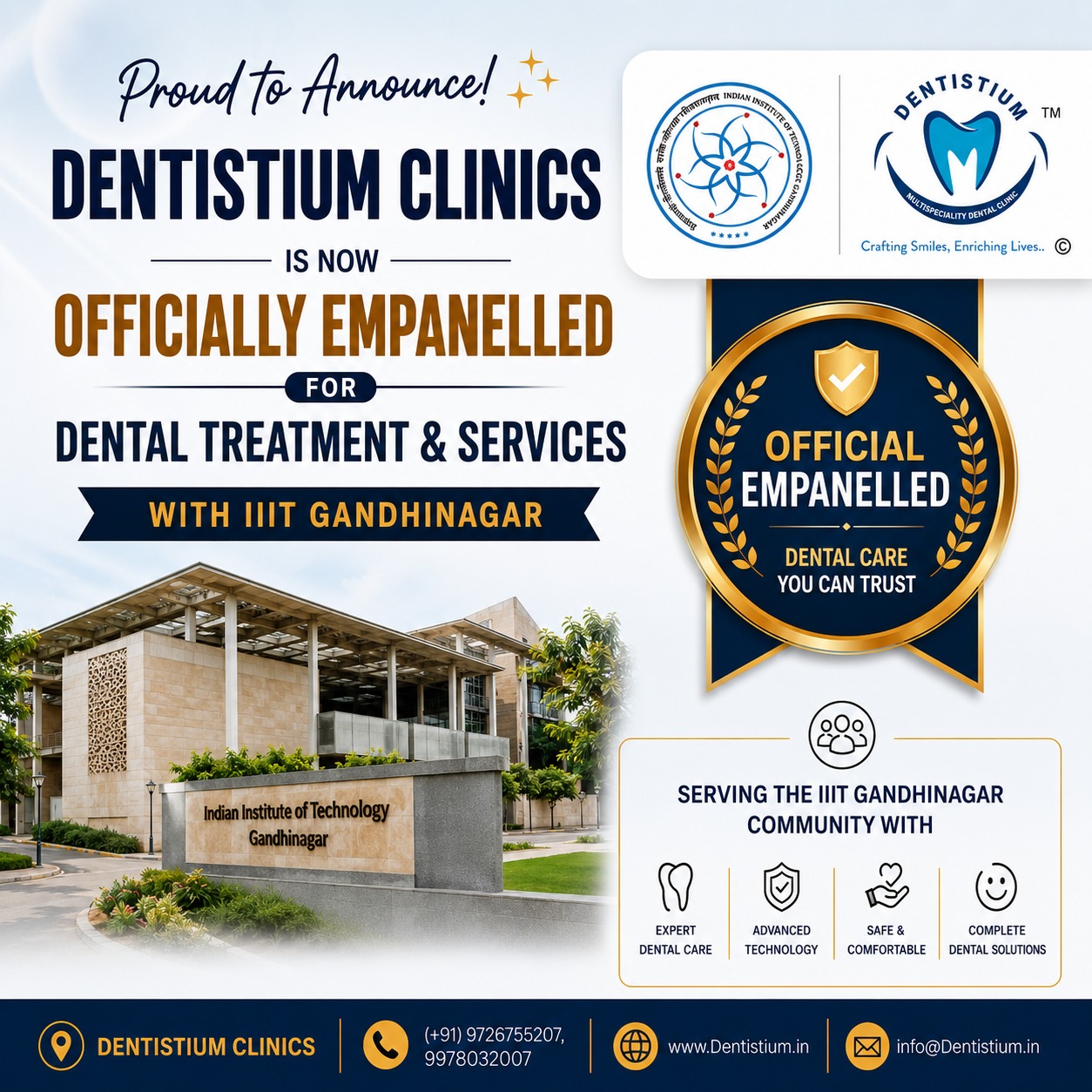
Proud Milestone: DENTISTIUM CLINICS Empanelled with IIIT Gandhinagar

DENTISTIUM CLINICS Officially Empanelled with IIIT Gandhinagar for Dental Treatment & Services

We are proud to announce a significant milestone in our journey of delivering quality dental healthcareโ€”DENTISTIUM CLINICS has been officially empanelled with IIIT Gandhinagar to provide comprehensive dental treatment and services to its faculty, staff, students, and eligible beneficiaries.

This empanelment is a testament to our commitment to excellence, ethical clinical practices, and patient-centered care. It reflects the trust placed in us by one of India’s premier institutes and reinforces our mission to make advanced dental care more accessible to institutional communities.

What This Empanelment Means

The IIIT Gandhinagar community can now avail a wide range of dental services at DENTISTIUM CLINICS through the empanelment process. Our team is dedicated to providing personalized treatment plans using modern technology and evidence-based dental practices.

Comprehensive Dental Services

Patients can benefit from a complete spectrum of dental treatments, including:

  • Routine Dental Check-ups
  • Digital Dental X-rays
  • Teeth Cleaning & Scaling
  • Tooth-Colored Fillings
  • Root Canal Treatment (RCT)
  • Crowns & Bridges
  • Dental Implants
  • Orthodontic Treatment (Braces & Clear Aligners)
  • Cosmetic Dentistry & Smile Designing
  • Pediatric Dentistry
  • Gum Disease Treatment
  • Tooth Extractions & Minor Oral Surgery
  • Preventive Oral Healthcare

Why Choose DENTISTIUM CLINICS?

  • Experienced team of dental specialists
  • Advanced digital dental technology
  • NABH Accredited dental facility
  • Patient-first approach with ethical treatment
  • Comfortable, hygienic, and modern clinical environment
  • Comprehensive dental solutions under one roof

Our Commitment

At DENTISTIUM CLINICS, we believe that every smile deserves the highest standard of care. This empanelment with IIIT Gandhinagar strengthens our commitment to providing accessible, affordable, and world-class dental services while maintaining the highest standards of safety, quality, and patient satisfaction.

We sincerely thank the management of IIIT Gandhinagar for their trust and confidence in our services. We also extend our gratitude to our patients, dedicated team, and well-wishers who continue to support our journey.

Together, we look forward to creating healthier smiles and building lasting relationships with the IIIT Gandhinagar community.

DENTISTIUM CLINICS
Crafting Smiles, Enriching Lives.

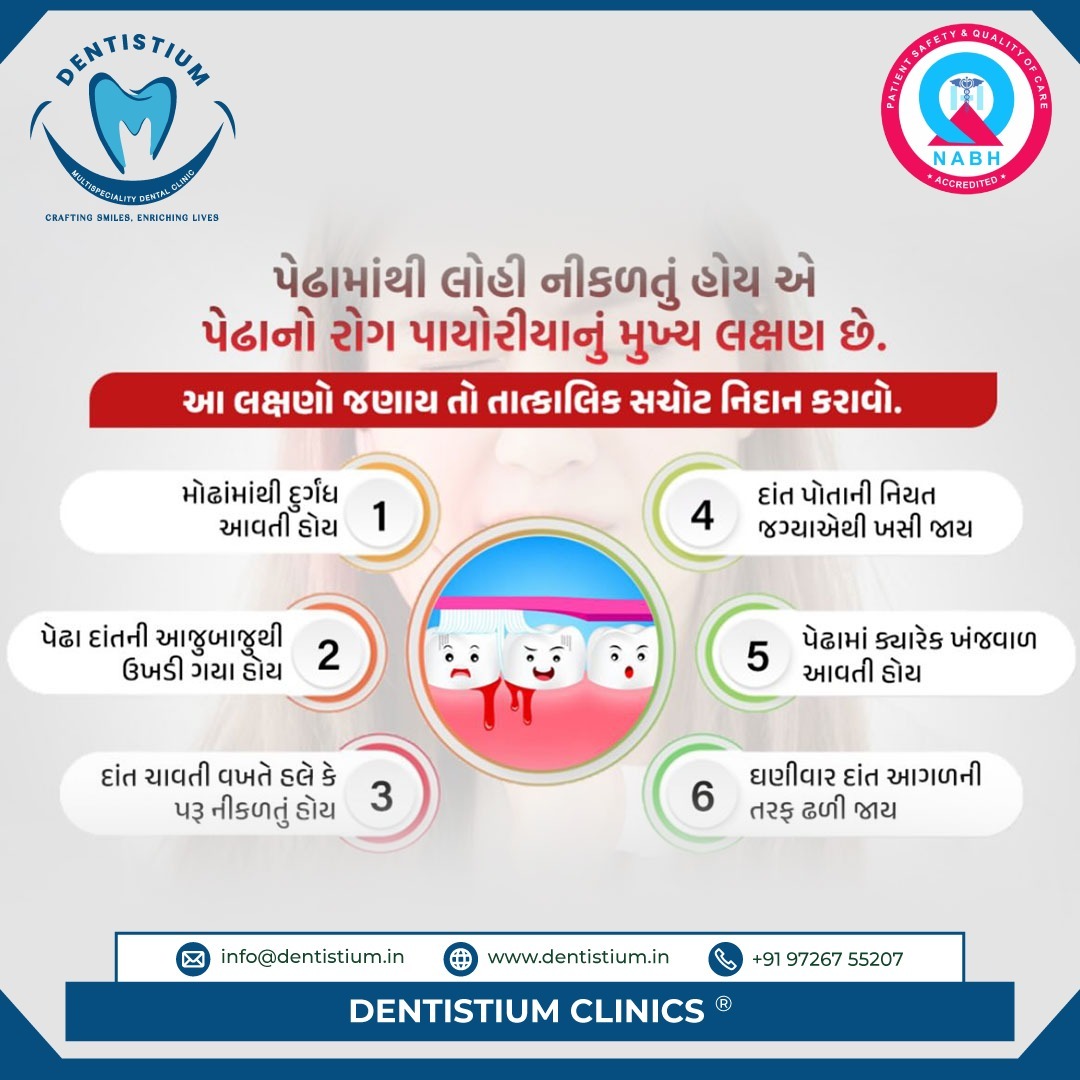
เชชเซ‡เชขเชพเชฎเชพเช‚เชฅเซ€ เชฒเซ‹เชนเซ€ เช†เชตเชตเซเช‚: เชชเชพเชฏเซ‹เชฐเชฟเชฏเชพเชจเซเช‚ เชฎเซเช–เซเชฏ เชฒเช•เซเชทเชฃ โ€“ เชธเชฎเชฏเชธเชฐ เชธเชพเชฐเชตเชพเชฐ เชœเชฐเซ‚เชฐเซ€!

เชชเชพเชฏเซ‹เชฐเชฟเชฏเชพ เชถเซเช‚ เช›เซ‡?

เชชเชพเชฏเซ‹เชฐเชฟเชฏเชพ เชเชŸเชฒเซ‡ เชชเซ‡เชขเชพเชจเซ‹ เช—เช‚เชญเซ€เชฐ เชšเซ‡เชช, เชœเซ‡ เชฆเชพเช‚เชคเชจเซ€ เช†เชธเชชเชพเชธเชจเชพ เชชเซ‡เชขเชพ เช…เชจเซ‡ เชนเชพเชกเช•เชพเช‚เชจเซ‡ เชจเซเช•เชธเชพเชจ เชชเชนเซ‹เช‚เชšเชพเชกเซ‡ เช›เซ‡. เชถเชฐเซ‚เช†เชคเชฎเชพเช‚ เช† เชฐเซ‹เช—เชจเชพ เชฒเช•เซเชทเชฃเซ‹ เชธเชพเชฎเชพเชจเซเชฏ เชฒเชพเช—เซ‡ เช›เซ‡, เชชเชฐเช‚เชคเซ เช…เชตเช—เชฃเชตเชพเชฎเชพเช‚ เช†เชตเซ‡ เชคเซ‹ เชฆเชพเช‚เชค เชนเชฒเชตเชพ เชฒเชพเช—เซ‡ เช›เซ‡ เช…เชจเซ‡ เช…เช‚เชคเซ‡ เชฆเชพเช‚เชค เช—เซเชฎเชพเชตเชตเชพเชจเซ‹ เชตเชพเชฐเซ‹ เช†เชตเซ€ เชถเช•เซ‡ เช›เซ‡.

เชชเชพเชฏเซ‹เชฐเชฟเชฏเชพเชจเชพ เชฎเซเช–เซเชฏ เชฒเช•เซเชทเชฃเซ‹:

โœ” เชฎเซ‹เชขเชพเชฎเชพเช‚เชฅเซ€ เชฆเซเชฐเซเช—เช‚เชง เช†เชตเชตเซ€
โœ” เชชเซ‡เชขเชพ เชฆเชพเช‚เชคเชจเซ€ เช†เชœเซเชฌเชพเชœเซเชฅเซ€ เช‰เชชเชกเซ€ เชœเชตเชพ
โœ” เชฆเชพเช‚เชค เชšเชพเชตเชคเซ€ เชตเช–เชคเซ‡ เชนเชฒเซ‡ เช…เชฅเชตเชพ เชจเซ€เช•เชณเชคเซเช‚ เชนเซ‹เชฏ เชคเซ‡เชตเซ€ เชฒเชพเช—เชฃเซ€
โœ” เชฆเชพเช‚เชค เชชเซ‹เชคเชพเชจเซ€ เชจเชฟเชฏเชค เชœเช—เซเชฏเชพเชฅเซ€ เช–เชธเซ€ เชœเชตเชพ
โœ” เชชเซ‡เชขเชพเชฎเชพเช‚ เชตเชพเชฐเช‚เชตเชพเชฐ เช–เช‚เชœเชตเชพเชณ เช†เชตเชตเซ€
โœ” เชชเซ‡เชขเชพเชฎเชพเช‚เชฅเซ€ เชฒเซ‹เชนเซ€ เช†เชตเชตเซเช‚

เชชเชพเชฏเซ‹เชฐเชฟเชฏเชพเชจเชพ เช•เชพเชฐเชฃเซ‹:

  • เชฆเชพเช‚เชค เชชเชฐ เชชเซเชฒเซ‡เช• เช…เชจเซ‡ เชŸเชพเชฐเซเชŸเชฐ เชœเชฎเชพ เชฅเชตเซเช‚
  • เชฎเซ‹เชขเชพเชจเซ€ เชฏเซ‹เช—เซเชฏ เชธเชซเชพเชˆ เชจ เชฐเชพเช–เชตเซ€
  • เชงเซเชฎเซเชฐเชชเชพเชจ เช…เชฅเชตเชพ เชคเชฎเชพเช•เซเชจเซเช‚ เชธเซ‡เชตเชจ
  • เชกเชพเชฏเชพเชฌเชฟเชŸเซ€เชธ เชœเซ‡เชตเซ€ เช•เซ‡เชŸเชฒเซ€เช• เชคเชฌเซ€เชฌเซ€ เชชเชฐเชฟเชธเซเชฅเชฟเชคเชฟเช“
  • เชจเชฟเชฏเชฎเชฟเชค เชกเซ‡เชจเซเชŸเชฒ เชšเซ‡เช•เช…เชช เชจ เช•เชฐเชพเชตเชตเซเช‚

เชธเชพเชฐเชตเชพเชฐ เช…เชจเซ‡ เชฌเชšเชพเชต:

เชจเชฟเชฏเชฎเชฟเชค เชฌเซเชฐเชถเชฟเช‚เช—, เชซเซเชฒเซ‹เชธเชฟเช‚เช— เช…เชจเซ‡ เชฆเชฐ 6 เชฎเชนเชฟเชจเชพเช เชกเซ‡เชจเซเชŸเชฒ เชšเซ‡เช•เช…เชช เช•เชฐเชพเชตเชตเชพเชฅเซ€ เชชเชพเชฏเซ‹เชฐเชฟเชฏเชพเชฅเซ€ เชฌเชšเซ€ เชถเช•เชพเชฏ เช›เซ‡. เชœเชฐเซ‚เชฐ เชชเชกเซ‡ เชคเซเชฏเชพเชฐเซ‡ เชธเซเช•เซ‡เชฒเชฟเช‚เช— เช…เชจเซ‡ เชกเซ€เชช เช•เซเชฒเซ€เชจเชฟเช‚เช— เชœเซ‡เชตเซ€ เชธเชพเชฐเชตเชพเชฐเชฅเซ€ เชชเซ‡เชขเชพเชจเซเช‚ เชธเซเชตเชพเชธเซเชฅเซเชฏ เชธเซเชงเชพเชฐเซ€ เชถเช•เชพเชฏ เช›เซ‡.

เชธเซเชตเชธเซเชฅ เชชเซ‡เชขเชพ เช…เชจเซ‡ เชฎเชœเชฌเซ‚เชค เชฆเชพเช‚เชค เชฎเชพเชŸเซ‡ เช†เชœเซ‡ เชœ เชคเชฎเชพเชฐเชพ เชกเซ‡เชจเซเชŸเชฟเชธเซเชŸเชจเซ‹ เชธเช‚เชชเชฐเซเช• เช•เชฐเซ‹.

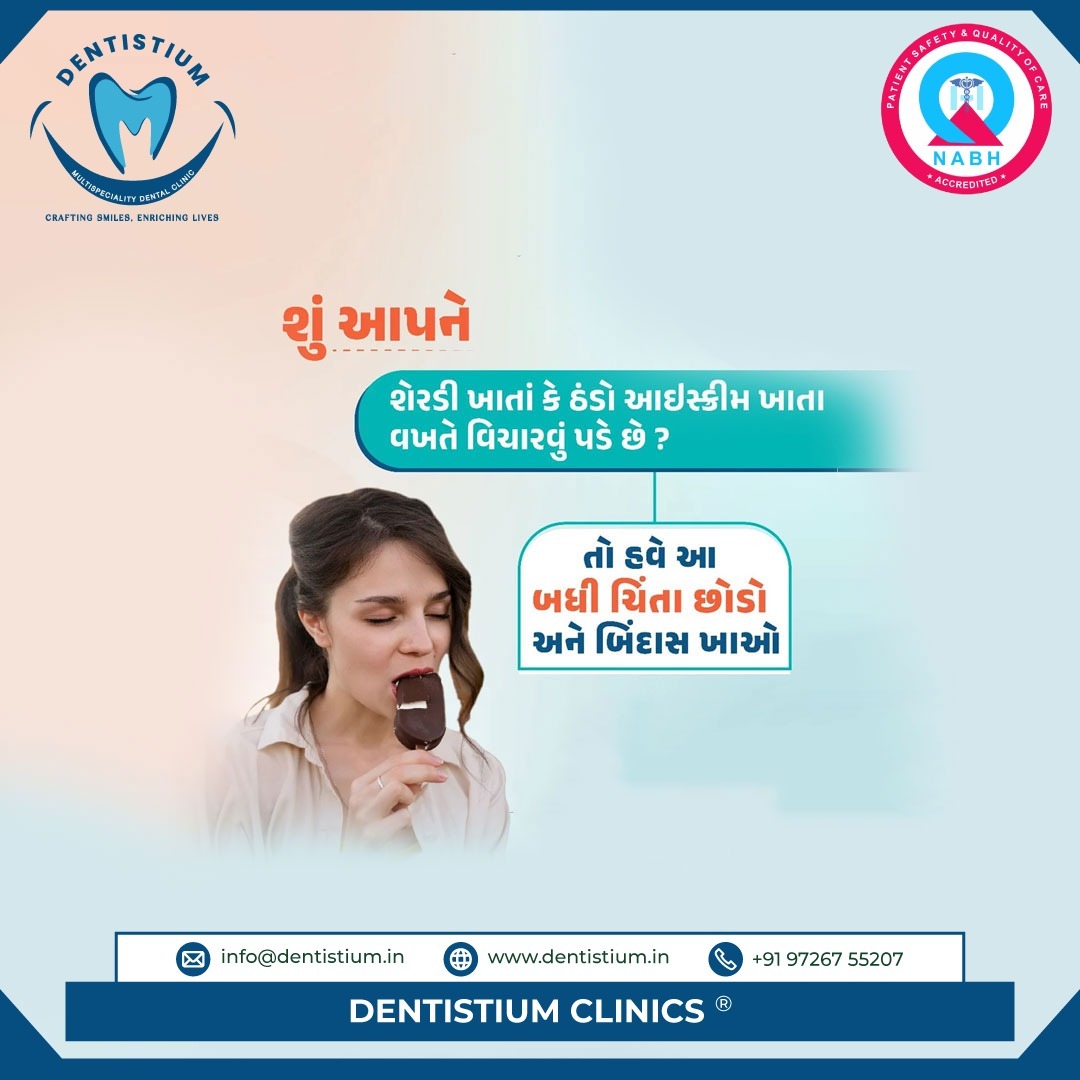
เช เช‚เชกเซ€ เชตเชธเซเชคเซ เช–เชพเชคเชพ เช•เซ‡ เชชเซ€เชคเชพ เชฆเชพเช‚เชคเชฎเชพเช‚ เชเชฃเชเชฃเชพเชŸเซ€ เชฅเชพเชฏ เช›เซ‡? เชนเชตเซ‡ เชšเชฟเช‚เชคเชพ เช›เซ‹เชกเซ‹! ๐Ÿฆทโœจ

เชถเซเช‚ เชคเชฎเชจเซ‡ เช เช‚เชกเซ€ เชตเชธเซเชคเซเช“ เช–เชพเชคเชพ เช•เซ‡ เชชเซ€เชคเชพ เชฆเชพเช‚เชคเชฎเชพเช‚ เชเชฃเชเชฃเชพเชŸเซ€ เชฅเชพเชฏ เช›เซ‡?

เช˜เชฃเชพ เชฒเซ‹เช•เซ‹ เช†เช‡เชธเซเช•เซเชฐเซ€เชฎ, เช เช‚เชกเซเช‚ เชชเชพเชฃเซ€, เช•เซ‹เชฒเซเชก เชกเซเชฐเชฟเช‚เช•เซเชธ เช…เชฅเชตเชพ เชฎเซ€เช เซ€ เชตเชธเซเชคเซเช“ เช–เชพเชคเชพ-เชชเซ€เชคเชพ เชธเชฎเชฏเซ‡ เชฆเชพเช‚เชคเชฎเชพเช‚ เช…เชšเชพเชจเช• เชเชฃเชเชฃเชพเชŸเซ€ เช•เซ‡ เชคเซ€เชตเซเชฐ เชฆเซเช–เชพเชตเชพเชจเซ‹ เช…เชจเซเชญเชต เช•เชฐเซ‡ เช›เซ‡. เช† เชธเชฎเชธเซเชฏเชพเชจเซ‡ เชฆเชพเช‚เชคเชจเซ€ เชธเช‚เชตเซ‡เชฆเชจเชถเซ€เชฒเชคเชพ (Tooth Sensitivity) เช•เชนเซ‡เชตเชพเชฎเชพเช‚ เช†เชตเซ‡ เช›เซ‡. เชถเชฐเซ‚เช†เชคเชฎเชพเช‚ เชธเชพเชฎเชพเชจเซเชฏ เชฒเชพเช—เชคเซ€ เช† เชธเชฎเชธเซเชฏเชพ เชธเชฎเชฏ เชœเชคเชพเช‚ เชตเชงเซ เช—เช‚เชญเซ€เชฐ เชฌเชจเซ€ เชถเช•เซ‡ เช›เซ‡ เช…เชจเซ‡ เชฆเซˆเชจเชฟเช• เชœเซ€เชตเชจเชจเซ‡ เช…เชธเชฐ เช•เชฐเซ€ เชถเช•เซ‡ เช›เซ‡.

เชฆเชพเช‚เชคเชฎเชพเช‚ เชธเช‚เชตเซ‡เชฆเชจเชถเซ€เชฒเชคเชพ เช•เซ‡เชฎ เชฅเชพเชฏ เช›เซ‡?

เชฆเชพเช‚เชคเชจเซ€ เชฌเชนเชพเชฐเชจเซ€ เชธเซเชฐเช•เซเชทเชพเชคเซเชฎเช• เชชเชฐเชค (Enamel) เช˜เชธเชพเชˆ เชœเชตเชพเชฅเซ€ เช…เชฅเชตเชพ เชชเซ‡เชขเชพเช‚ เชชเชพเช›เชณ เช–เชธเซ€ เชœเชตเชพเชฅเซ€ เชฆเชพเช‚เชคเชจเซ‹ เช…เช‚เชฆเชฐเชจเซ‹ เชญเชพเช— (Dentin) เช–เซเชฒเซเชฒเซ‹ เชชเชกเซ€ เชœเชพเชฏ เช›เซ‡. เชชเชฐเชฟเชฃเชพเชฎเซ‡ เช เช‚เชกเซ€, เช—เชฐเชฎ, เชฎเซ€เช เซ€ เช…เชฅเชตเชพ เช–เชพเชŸเซ€ เชตเชธเซเชคเซเช“เชจเชพ เชธเช‚เชชเชฐเซเช•เชฎเชพเช‚ เช†เชตเชคเชพ เชฆเชพเช‚เชคเชฎเชพเช‚ เชฆเซเช–เชพเชตเซ‹ เช…เชฅเชตเชพ เชเชฃเชเชฃเชพเชŸเซ€ เชฅเชพเชฏ เช›เซ‡.

เชฎเซเช–เซเชฏ เช•เชพเชฐเชฃเซ‹

  • เช–เซ‚เชฌ เชœ เชœเซ‹เชฐเชฅเซ€ เชฌเซเชฐเชถ เช•เชฐเชตเซเช‚

  • เชฆเชพเช‚เชคเชฎเชพเช‚ เช•เซ€เชก (Cavity)

  • เชชเซ‡เชขเชพเช‚เชจเซ€ เชฌเซ€เชฎเชพเชฐเซ€เช“

  • เชฆเชพเช‚เชค เช˜เชธเชตเชพเชจเซ€ เช†เชฆเชค (Teeth Grinding)

  • เชคเซ‚เชŸเซ‡เชฒเชพ เช…เชฅเชตเชพ เชซเชพเชŸเซ‡เชฒเชพ เชฆเชพเช‚เชค

  • เชเชธเชฟเชกเชฟเช• เช–เซ‹เชฐเชพเช• เช…เชจเซ‡ เชชเซ€เชฃเชพเช‚เชจเซเช‚ เชตเชงเซ เชธเซ‡เชตเชจ

  • เชฒเชพเช‚เชฌเชพ เชธเชฎเชฏเชฅเซ€ เชฆเชพเช‚เชคเชจเซ€ เชฏเซ‹เช—เซเชฏ เชธเชซเชพเชˆ เชจ เช•เชฐเชตเซ€

เช† เชธเชฎเชธเซเชฏเชพเชจเซ‡ เช…เชตเช—เชฃเชถเซ‹ เชจเชนเซ€เช‚

เชœเซ‹ เชคเชฎเชจเซ‡ เชตเชพเชฐเช‚เชตเชพเชฐ เช เช‚เชกเซ€ เช•เซ‡ เช—เชฐเชฎ เชตเชธเซเชคเซเช“ เช–เชพเชคเชพ-เชชเซ€เชคเชพ เชฆเชพเช‚เชคเชฎเชพเช‚ เชฆเซเช–เชพเชตเซ‹ เชฅเชพเชฏ เช›เซ‡, เชคเซ‹ เชคเซ‡ เช•เซ‹เชˆ เช…เช‚เชฆเชฐเชจเซ€ เชกเซ‡เชจเซเชŸเชฒ เชธเชฎเชธเซเชฏเชพเชจเซ‹ เชธเช‚เช•เซ‡เชค เชนเซ‹เชˆ เชถเช•เซ‡ เช›เซ‡. เชธเชฎเชฏเชธเชฐ เชกเซ‡เชจเซเชŸเชฒ เชšเซ‡เช•เช…เชช เช•เชฐเชพเชตเชตเชพเชฅเซ€ เชธเชฎเชธเซเชฏเชพเชจเซเช‚ เชฎเซ‚เชณ เช•เชพเชฐเชฃ เชœเชพเชฃเซ€ เชฏเซ‹เช—เซเชฏ เชธเชพเชฐเชตเชพเชฐ เชฎเซ‡เชณเชตเซ€ เชถเช•เชพเชฏ เช›เซ‡.

เชธเช‚เชตเซ‡เชฆเชจเชถเซ€เชฒ เชฆเชพเช‚เชค เชฎเชพเชŸเซ‡ เชถเซเช‚ เช•เชฐเชตเซเช‚?

  • Sensitivity เชฎเชพเชŸเซ‡ เชฌเชจเชพเชตเซ‡เชฒเซ€ เชŸเซ‚เชฅเชชเซ‡เชธเซเชŸเชจเซ‹ เช‰เชชเชฏเซ‹เช— เช•เชฐเซ‹.

  • เชธเซ‹เชซเซเชŸ เชฌเซเชฐเชฟเชธเชฒเชตเชพเชณเชพ เชฌเซเชฐเชถเชฅเซ€ เชฆเชพเช‚เชค เชธเชพเชซ เช•เชฐเซ‹.

  • เช–เซ‚เชฌ เช เช‚เชกเซ€ เช…เชจเซ‡ เชเชธเชฟเชกเชฟเช• เชตเชธเซเชคเซเช“เชจเซเช‚ เชธเซ‡เชตเชจ เชฎเชฐเซเชฏเชพเชฆเชฟเชค เช•เชฐเซ‹.

  • เชจเชฟเชฏเชฎเชฟเชค เชกเซ‡เชจเซเชŸเชฒ เชšเซ‡เช•เช…เชช เช•เชฐเชพเชตเซ‹.

  • เชกเซ‡เชจเซเชŸเชฟเชธเซเชŸเชจเซ€ เชธเชฒเชพเชน เชฎเซเชœเชฌ เชซเซเชฒเซ‹เชฐเชพเชˆเชก เช…เชฅเชตเชพ เช…เชจเซเชฏ เชชเซเชฐเซ‹เชซเซ‡เชถเชจเชฒ เชŸเซเชฐเซ€เชŸเชฎเซ‡เชจเซเชŸ เชฒเซ‹.

Dentistium Clinics เชธเชพเชฅเซ‡ เชจเชฟเชฐเซเชญเชฏ เชธเซเชฎเชฟเชค

Dentistium Clinics เช–เชพเชคเซ‡ เช…เชฎเซ‡ เชฆเชพเช‚เชคเชจเซ€ เชธเช‚เชตเซ‡เชฆเชจเชถเซ€เชฒเชคเชพเชจเซเช‚ เช†เชงเซเชจเชฟเช• เชชเชฆเซเชงเชคเชฟเช“ เชฆเซเชตเชพเชฐเชพ เชจเชฟเชฆเชพเชจ เช…เชจเซ‡ เชธเชพเชฐเชตเชพเชฐ เช•เชฐเซ€เช เช›เซ€เช. เช…เชฎเชพเชฐเชพ เชจเชฟเชทเซเชฃเชพเชค เชกเซ‡เชจเซเชŸเชฟเชธเซเชŸ เชคเชฎเชพเชฐเซ€ เชธเชฎเชธเซเชฏเชพเชจเซเช‚ เชฎเซ‚เชณ เช•เชพเชฐเชฃ เชถเซ‹เชงเซ€ เชตเซเชฏเช•เซเชคเชฟเช—เชค เชธเชพเชฐเชตเชพเชฐ เชชเซเชฐเชฆเชพเชจ เช•เชฐเซ‡ เช›เซ‡ เชœเซ‡เชฅเซ€ เชคเชฎเซ‡ เชซเชฐเซ€เชฅเซ€ เชฎเชจเชชเชธเช‚เชฆ เช เช‚เชกเซ€ เชตเชธเซเชคเซเช“เชจเซ‹ เช†เชจเช‚เชฆ เชฒเชˆ เชถเช•เซ‹.

เชฆเชพเช‚เชคเชฎเชพเช‚ เชเชฃเชเชฃเชพเชŸเซ€ เช•เซ‡ เชฆเซเช–เชพเชตเชพเชจเซ‡ เชธเชพเชฎเชพเชจเซเชฏ เชจ เชฎเชพเชจเซ‹. เช†เชœเซ‡ เชœ เชกเซ‡เชจเซเชŸเชฒ เชšเซ‡เช•เช…เชช เช•เชฐเชพเชตเซ‹ เช…เชจเซ‡ เชธเซเชตเชธเซเชฅ, เชฎเชœเชฌเซ‚เชค เชธเซเชฎเชฟเชค เชคเชฐเชซ เชเช• เชชเช—เชฒเซเช‚ เชญเชฐเซ‹! ๐Ÿฆทโœจ

๐Ÿฆท Is Tooth Pain Troubling Your Child? Don’t Ignore the Signs!

Description

Tooth pain in children can affect their eating, sleeping, and daily activities. It may be caused by cavities, gum infections, tooth eruption, or dental injuries. Early diagnosis and treatment can prevent complications and keep your child’s smile healthy.

At Dentistium Clinics, we provide gentle, child-friendly dental care in a comfortable environment. From routine checkups to pain-free treatments and orthodontic care, our experienced team is dedicated to your child’s oral health.

๐Ÿ“ž Book an appointment today and give your child the healthy, confident smile they deserve!

๐ŸŒ Website: www.dentistium.in
๐Ÿ“ง Email: info@dentistium.in
๐Ÿ“ฑ Contact: +91 97267 55207


Blog

๐Ÿฆท Is Tooth Pain Troubling Your Child?

Tooth pain is one of the most common dental problems among children. While some parents may think it is temporary, persistent tooth pain can be a sign of an underlying dental issue that requires professional attention.

Common Causes of Tooth Pain in Children

โœ… Dental Cavities (Tooth Decay)
The most common cause of tooth pain in children is cavities caused by plaque buildup and poor oral hygiene.

โœ… Gum Infections
Inflamed or infected gums can lead to pain, swelling, and discomfort.

โœ… New Teeth Erupting
Children may experience soreness and discomfort when new teeth are coming in.

โœ… Dental Injuries
Falls, sports injuries, or accidental trauma can cause tooth pain or damage.

โœ… Food Lodged Between Teeth
Sometimes food particles stuck between teeth can cause irritation and pain.

Signs Your Child Needs a Dental Visit

  • Persistent toothache
  • Sensitivity to hot or cold foods
  • Swollen or bleeding gums
  • Difficulty chewing
  • Bad breath
  • Facial swelling
  • Complaints of pain while eating

How Parents Can Help

โœ” Encourage brushing twice daily with fluoride toothpaste.
โœ” Limit sugary snacks and drinks.
โœ” Schedule regular dental checkups.
โœ” Address dental pain promptly rather than waiting for it to worsen.

Why Choose Dentistium Clinics?

At Dentistium Clinics, we understand that children need special care and attention. Our child-friendly approach helps young patients feel comfortable and relaxed during treatment.

We offer:

  • Pediatric Dental Care
  • Pain-Free Treatments
  • Braces & Alignment Solutions
  • Preventive Dental Care
  • Routine Dental Checkups

Give Your Child a Healthy Smile

Ignoring tooth pain can lead to bigger dental problems in the future. Early treatment ensures better oral health, comfort, and confidence for your child.

๐Ÿ“ž Book an appointment with Dentistium Clinics today and let us help your child smile pain-free! ๐Ÿฆทโœจ

Dentistium Clinics โ€“ Crafting Smiles, Enriching Lives.

ย 
ย 

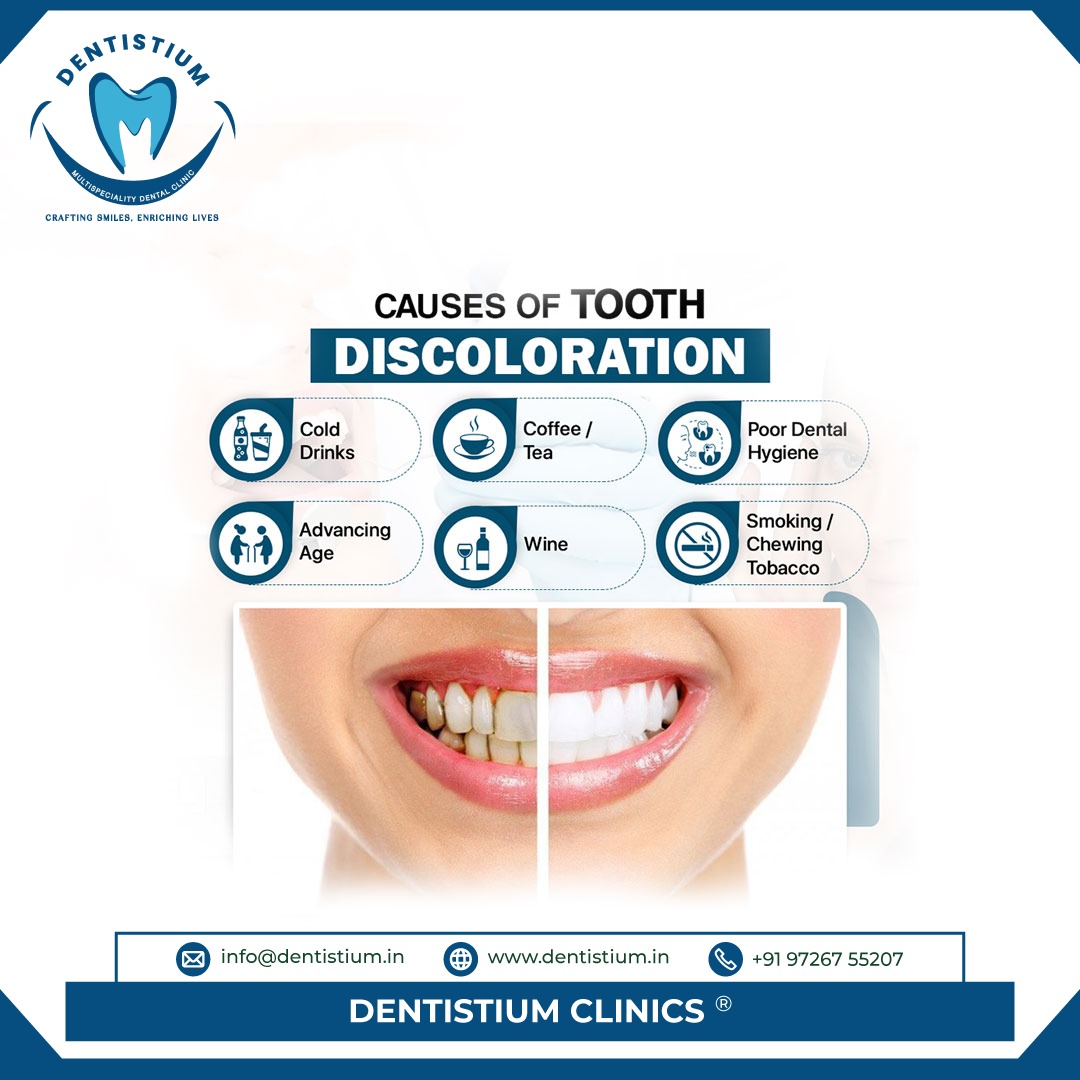
๐Ÿฆท What Causes Tooth Discoloration? Understanding the Reasons Behind Stained Teeth

Causes of Tooth Discoloration: Why Teeth Lose Their Natural Whiteness

A bright, white smile is often associated with good oral health and confidence. However, many people experience tooth discoloration over time, causing their teeth to appear yellow, brown, or stained. Understanding the causes of tooth discoloration can help you take the right steps to maintain a healthy and attractive smile.

What is Tooth Discoloration?

Tooth discoloration refers to any change in the natural color of your teeth. It can affect one tooth or multiple teeth and may occur gradually or suddenly, depending on the cause.

Common Causes of Tooth Discoloration

1. Coffee and Tea

Coffee and tea contain tannins, which can stain the outer surface of the teeth. Frequent consumption can lead to noticeable yellow or brown discoloration over time.

2. Cold Drinks and Soft Drinks

Many carbonated beverages contain acids and artificial colorings that can weaken enamel and cause staining, making teeth appear dull and discolored.

3. Poor Oral Hygiene

Inadequate brushing and flossing allow plaque and tartar to build up on the teeth, resulting in yellowing and discoloration. Regular oral care is essential to keep teeth clean and bright.

4. Smoking and Chewing Tobacco

Tobacco products contain nicotine and tar, which can leave stubborn brown or yellow stains on teeth. Long-term tobacco use is one of the leading causes of severe tooth discoloration.

5. Wine Consumption

Both red and white wines contain acids and pigments that can stain teeth. Red wine, in particular, is known for causing noticeable discoloration.

6. Advancing Age

As we age, the outer enamel layer naturally wears down, exposing the yellowish dentin underneath. This makes teeth appear darker or more yellow over time.

How to Prevent Tooth Discoloration

  • Brush your teeth twice daily with fluoride toothpaste.

  • Floss regularly to remove plaque between teeth.

  • Limit consumption of staining foods and beverages.

  • Rinse your mouth with water after drinking coffee, tea, or soft drinks.

  • Avoid smoking and tobacco products.

  • Visit your dentist regularly for professional cleanings and check-ups.

Treatment Options for Discolored Teeth

Depending on the cause and severity of staining, treatment options may include:

  • Professional dental cleaning

  • Teeth whitening procedures

  • Cosmetic bonding

  • Veneers

  • Lifestyle and dietary modifications

Conclusion

Tooth discoloration is a common dental concern, but it is often preventable and treatable. Maintaining good oral hygiene, making healthy lifestyle choices, and seeking professional dental care can help keep your smile bright and healthy for years to come.

At Dentistium Clinics, we offer advanced solutions to restore the natural beauty of your smile. Schedule your dental consultation today and take the first step toward a brighter, healthier smile.

Hashtags

#DentistiumClinics #ToothDiscoloration #TeethWhitening #HealthySmile #DentalCare #OralHealth #SmileMakeover #DentalHygiene #StainedTeeth #CosmeticDentistry #BrightSmile #HealthyTeeth #DentalAwareness #SmileCare #AhmedabadDentist #OralCare #DentalTips #WhiteTeeth #PreventToothStains #ConfidentSmile

เชฌเชพเชณเช•เซ‹เชฎเชพเช‚ เช…เช‚เช—เซ‚เช เซ‹ เชšเซ‚เชธเชตเชพเชจเซ€ เช†เชฆเชค: เชฆเชพเช‚เชค เชฎเชพเชŸเซ‡ เช›เซเชชเชพเชฏเซ‡เชฒเซเช‚ เชœเซ‹เช–เชฎ ๐Ÿฆท

เชฌเชพเชณเช•เซ‹เชฎเชพเช‚ เช…เช‚เช—เซ‚เช เซ‹ เชšเซ‚เชธเชตเชพเชจเซ€ เช†เชฆเชค: เชฆเชพเช‚เชค เชฎเชพเชŸเซ‡ เช›เซเชชเชพเชฏเซ‡เชฒเซเช‚ เชœเซ‹เช–เชฎ ๐Ÿฆท

เชจเชพเชจเชพ เชฌเชพเชณเช•เซ‹เชฎเชพเช‚ เช…เช‚เช—เซ‚เช เซ‹ เชšเซ‚เชธเชตเชพเชจเซ€ เช†เชฆเชค เชธเชพเชฎเชพเชจเซเชฏ เชฎเชพเชจเชตเชพเชฎเชพเช‚ เช†เชตเซ‡ เช›เซ‡. เช˜เชฃเชพ เชฌเชพเชณเช•เซ‹ เชœเชจเซเชฎ เชชเช›เซ€เชฅเซ€ เชœ เช† เช†เชฆเชค เชตเชฟเช•เชธเชพเชตเซ‡ เช›เซ‡ เช•เชพเชฐเชฃ เช•เซ‡ เชคเซ‡ เชคเซ‡เชฎเชจเซ‡ เช†เชฐเชพเชฎ เช…เชจเซ‡ เชธเซเชฐเช•เซเชทเชพเชจเซ€ เชฒเชพเช—เชฃเซ€ เช†เชชเซ‡ เช›เซ‡. เชชเชฐเช‚เชคเซ เชœเซ‹ เช† เช†เชฆเชค เชฒเชพเช‚เชฌเชพ เชธเชฎเชฏ เชธเซเชงเซ€ เชšเชพเชฒเซ เชฐเชนเซ‡, เชคเซ‹ เชคเซ‡ เชฌเชพเชณเช•เชจเชพ เชฆเชพเช‚เชค เช…เชจเซ‡ เชฎเซ‹เชขเชพเชจเชพ เชตเชฟเช•เชพเชธ เชชเชฐ เชจเช•เชพเชฐเชพเชคเซเชฎเช• เช…เชธเชฐ เช•เชฐเซ€ เชถเช•เซ‡ เช›เซ‡.

เช…เช‚เช—เซ‚เช เซ‹ เชšเซ‚เชธเชตเชพเชจเซ€ เช†เชฆเชคเชฅเซ€ เชฅเชคเชพ เชจเซเช•เชธเชพเชจ

1. เชฆเชพเช‚เชคเชฎเชพเช‚ เช…เชธเชฎเชพเชจเชคเชพ

เชฒเชพเช‚เชฌเชพ เชธเชฎเชฏ เชธเซเชงเซ€ เช…เช‚เช—เซ‚เช เซ‹ เชšเซ‚เชธเชตเชพเชฅเซ€ เช‰เชชเชฐเชจเชพ เช…เชจเซ‡ เชจเซ€เชšเซ‡เชจเชพ เชฆเชพเช‚เชคเชจเซ€ เช—เซ‹เช เชตเชฃเซ€ เชฌเช—เชกเซ€ เชถเช•เซ‡ เช›เซ‡, เชœเซ‡เชจเชพ เช•เชพเชฐเชฃเซ‡ เชฆเชพเช‚เชค เช†เช—เชณ เชจเซ€เช•เชณเซ€ เชถเช•เซ‡ เช›เซ‡.

2. เชฆเชพเช‚เชค เชตเชšเซเชšเซ‡ เช–เชพเชฒเซ€ เชœเช—เซเชฏเชพ

เช† เช†เชฆเชคเชจเชพ เช•เชพเชฐเชฃเซ‡ เช†เช—เชณเชจเชพ เชฆเชพเช‚เชค เชตเชšเซเชšเซ‡ เช—เซ‡เชช เชชเชกเซ€ เชถเช•เซ‡ เช›เซ‡, เชœเซ‡ เชธเซเชฎเชพเช‡เชฒเชจเซ€ เชธเซเช‚เชฆเชฐเชคเชพ เชชเชฐ เช…เชธเชฐ เช•เชฐเซ‡ เช›เซ‡.

3. เชœเชกเชฌเชพเชจเชพ เชตเชฟเช•เชพเชธเชฎเชพเช‚ เชซเซ‡เชฐเชซเชพเชฐ

เช…เชคเชฟเชถเชฏ เชฆเชฌเชพเชฃเชจเชพ เช•เชพเชฐเชฃเซ‡ เชœเชกเชฌเชพเชจเชพ เชตเชฟเช•เชพเชธเชฎเชพเช‚ เช…เชธเช‚เชคเซเชฒเชจ เช†เชตเซ€ เชถเช•เซ‡ เช›เซ‡.

4. เชฌเซ‹เชฒเชตเชพเชฎเชพเช‚ เชคเช•เชฒเซ€เชซ

เช•เซ‡เชŸเชฒเชพเช• เชฌเชพเชณเช•เซ‹เชฎเชพเช‚ เช‰เชšเซเชšเชพเชฐเชฃเชจเซ€ เชธเชฎเชธเซเชฏเชพ เชชเชฃ เชœเซ‹เชตเชพ เชฎเชณเซ‡ เช›เซ‡.

5. เชฎเซ‹เชขเชพเชจเซ€ เช›เชค เชธเช‚เช•เซเชšเชฟเชค เชฅเชตเซ€

เชฒเชพเช‚เชฌเชพ เชธเชฎเชฏ เชธเซเชงเซ€ เช…เช‚เช—เซ‚เช เซ‹ เชšเซ‚เชธเชตเชพเชฅเซ€ เชฎเซ‹เชขเชพเชจเซ€ เช‰เชชเชฐเชจเซ€ เช›เชค (Palate) เชธเช‚เช•เซเชšเชฟเชค เชฌเชจเซ€ เชถเช•เซ‡ เช›เซ‡.


เชฎเชพเชคเชพ-เชชเชฟเชคเชพเช เชถเซเช‚ เช•เชฐเชตเซเช‚?

โœ” เชฌเชพเชณเช•เชจเซ‡ เชชเซเชฐเซ‡เชฎเชฅเซ€ เชธเชฎเชœเชพเชตเซ‹
โœ” เชงเซเชฏเชพเชจ เช…เชจเซเชฏ เชชเซเชฐเชตเซƒเชคเซเชคเชฟเช“ เชคเชฐเชซ เชซเซ‡เชฐเชตเซ‹
โœ” เชธเช•เชพเชฐเชพเชคเซเชฎเช• เชชเซเชฐเซ‹เชคเซเชธเชพเชนเชจ เช†เชชเซ‹
โœ” เชœเชฐเซ‚เชฐ เชชเชกเซ‡ เชคเซ‹ Pediatric Dentist เชจเซ€ เชธเชฒเชพเชน เชฒเซ‹

เชธเชฎเชฏเชธเชฐ เชงเซเชฏเชพเชจ เช†เชชเชตเชพเชฅเซ€ เชญเชตเชฟเชทเซเชฏเชฎเชพเช‚ เชฎเซ‹เชŸเซ€ เชกเซ‡เชจเซเชŸเชฒ เชธเชฎเชธเซเชฏเชพเช“ เชŸเชพเชณเซ€ เชถเช•เชพเชฏ เช›เซ‡. เชฌเชพเชณเช•เชจเซเช‚ เชธเซเชตเชธเซเชฅ เชธเซเชฎเชฟเชค เชคเซ‡เชจเซ€ เช†เชคเซเชฎเชตเชฟเชถเซเชตเชพเชธเชจเซ€ เชšเชพเชตเซ€ เช›เซ‡. ๐Ÿ˜Š

๐Ÿ“ เช†เชœเซ‡ เชœ เชคเชฎเชพเชฐเชพ เชฌเชพเชณเช•เชจเชพ เชกเซ‡เชจเซเชŸเชฒ เชšเซ‡เช•เช…เชช เชฎเชพเชŸเซ‡ เชฎเซเชฒเชพเช•เชพเชค เชฒเซ‹.

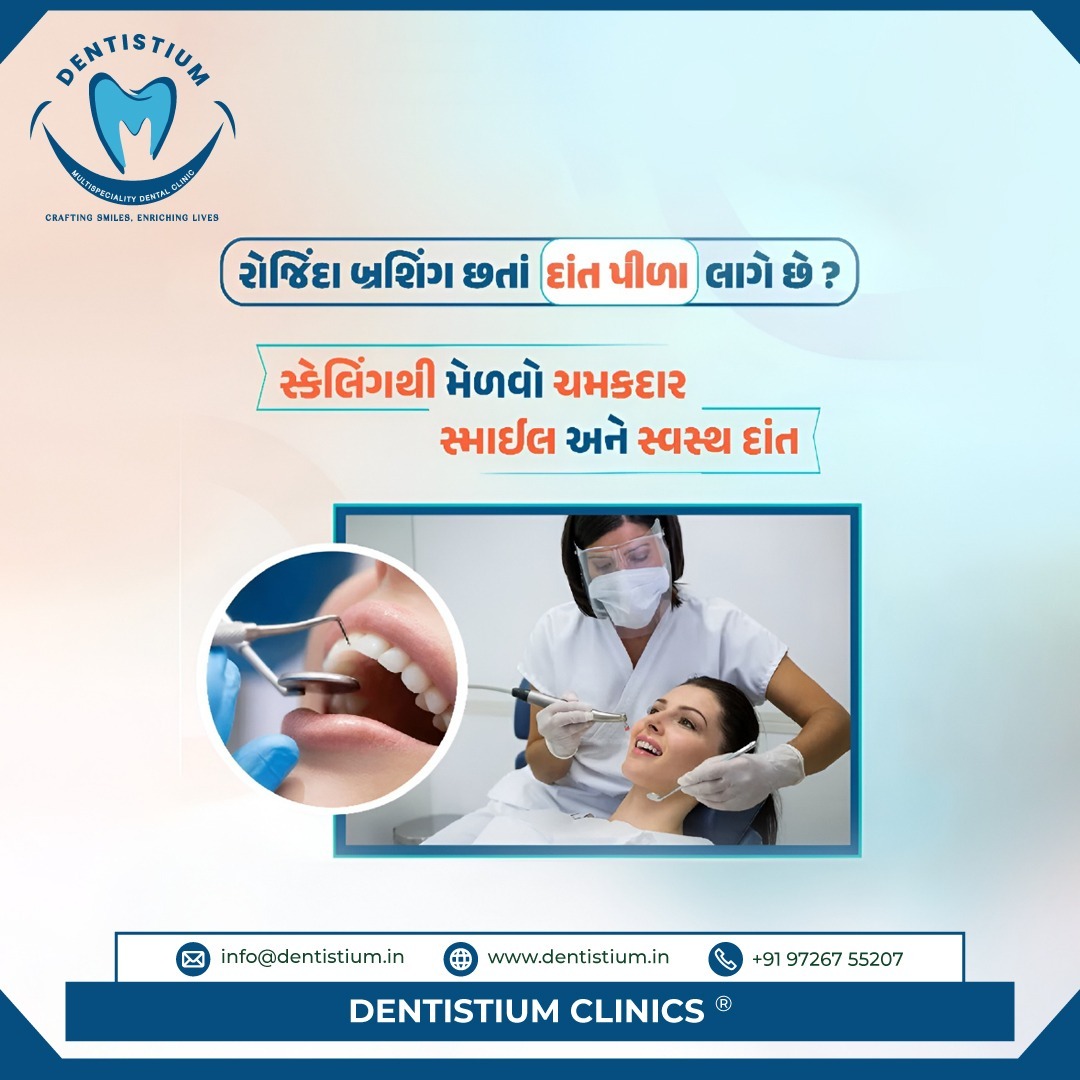
เชธเซเช•เซ‡เชฒเชฟเช‚เช— เชชเช›เซ€ เชฆเชพเช‚เชคเชฎเชพเช‚ เชฅเซ‹เชกเซ€ เชธเช‚เชตเซ‡เชฆเชจเชพ เช…เชจเซเชญเชตเชตเซ€ เชธเชพเชฎเชพเชจเซเชฏ เช›เซ‡. เชธเซเช•เซ‡เชฒเชฟเช‚เช— เชคเชฎเชพเชฐเชพ เชฆเชพเช‚เชค เช…เชจเซ‡ เช—เชฎเซเชธเชฎเชพเช‚เชฅเซ€ เชœเชฎเชพ เชฅเชฏเซ‡เชฒเซ€ เชชเซเชฒเซ‡เช• เช…เชจเซ‡ เชŸเชพเชฐเซเชŸเชฐเชจเซ‡ เชฆเซ‚เชฐ เช•เชฐเซ‡ เช›เซ‡, เชœเซ‡เชจเชพ เช•เชพเชฐเชฃเซ‡ เชฆเชพเช‚เชค เชตเชงเซ เชธเซเชตเชšเซเช› เช…เชจเซ‡ เชธเซเชตเชธเซเชฅ เชฌเชจเซ‡ เช›เซ‡. เชธเชพเชฐเชตเชพเชฐ เชชเช›เซ€ เชฅเซ‹เชกเชพ เชฆเชฟเชตเชธ เชธเซเชงเซ€ เช เช‚เชกเซเช‚-เช—เชฐเชฎ เชฒเชพเช—เชตเซเช‚ เชถเช•เซเชฏ เช›เซ‡, เชชเชฐเช‚เชคเซ เชฏเซ‹เช—เซเชฏ เช•เชพเชณเชœเซ€เชฅเซ€ เช† เชธเชฎเชธเซเชฏเชพ เชเชกเชชเชฅเซ€ เช˜เชŸเซ€ เชœเชพเชฏ เช›เซ‡. โœจ เชจเชฟเชฏเชฎเชฟเชค เชกเซ‡เชจเซเชŸเชฒ เชšเซ‡เช•เช…เชช เช…เชจเซ‡ เชธเซเช•เซ‡เชฒเชฟเช‚เช—เชฅเซ€ เชฎเซ‡เชณเชตเซ‹ เชšเชฎเช•เชฆเชพเชฐ เชธเซเชฎเชพเช‡เชฒ เช…เชจเซ‡ เชฎเชœเชฌเซ‚เชค เชฆเชพเช‚เชค. ๐Ÿ“ž เช†เชœเซ‡ เชœ เชคเชฎเชพเชฐเซ€ เชเชชเซ‹เช‡เชจเซเชŸเชฎเซ‡เชจเซเชŸ เชฌเซเช• เช•เชฐเซ‹!

เชธเซเช•เซ‡เชฒเชฟเช‚เช— เชชเช›เซ€ เชฆเชพเช‚เชคเชฎเชพเช‚ เชฅเซ‹เชกเซ€ เชธเช‚เชตเซ‡เชฆเชจเชพ เช…เชจเซเชญเชตเชตเซ€ เชธเชพเชฎเชพเชจเซเชฏ เช›เซ‡.
เชธเซเช•เซ‡เชฒเชฟเช‚เช— เชคเชฎเชพเชฐเชพ เชฆเชพเช‚เชค เช…เชจเซ‡ เช—เชฎเซเชธเชฎเชพเช‚เชฅเซ€ เชœเชฎเชพ เชฅเชฏเซ‡เชฒเซ€ เชชเซเชฒเซ‡เช• เช…เชจเซ‡ เชŸเชพเชฐเซเชŸเชฐเชจเซ‡ เชฆเซ‚เชฐ เช•เชฐเซ‡ เช›เซ‡, เชœเซ‡เชจเชพ เช•เชพเชฐเชฃเซ‡ เชฆเชพเช‚เชค เชตเชงเซ เชธเซเชตเชšเซเช› เช…เชจเซ‡ เชธเซเชตเชธเซเชฅ เชฌเชจเซ‡ เช›เซ‡. เชธเชพเชฐเชตเชพเชฐ เชชเช›เซ€ เชฅเซ‹เชกเชพ เชฆเชฟเชตเชธ เชธเซเชงเซ€ เช เช‚เชกเซเช‚-เช—เชฐเชฎ เชฒเชพเช—เชตเซเช‚ เชถเช•เซเชฏ เช›เซ‡, เชชเชฐเช‚เชคเซ เชฏเซ‹เช—เซเชฏ เช•เชพเชณเชœเซ€เชฅเซ€ เช† เชธเชฎเชธเซเชฏเชพ เชเชกเชชเชฅเซ€ เช˜เชŸเซ€ เชœเชพเชฏ เช›เซ‡.

โœจ เชจเชฟเชฏเชฎเชฟเชค เชกเซ‡เชจเซเชŸเชฒ เชšเซ‡เช•เช…เชช เช…เชจเซ‡ เชธเซเช•เซ‡เชฒเชฟเช‚เช—เชฅเซ€ เชฎเซ‡เชณเชตเซ‹ เชšเชฎเช•เชฆเชพเชฐ เชธเซเชฎเชพเช‡เชฒ เช…เชจเซ‡ เชฎเชœเชฌเซ‚เชค เชฆเชพเช‚เชค.

๐Ÿ“ž เช†เชœเซ‡ เชœ เชคเชฎเชพเชฐเซ€ เชเชชเซ‹เช‡เชจเซเชŸเชฎเซ‡เชจเซเชŸ เชฌเซเช• เช•เชฐเซ‹!

Select your currency
INR Indian rupee
Add to cart