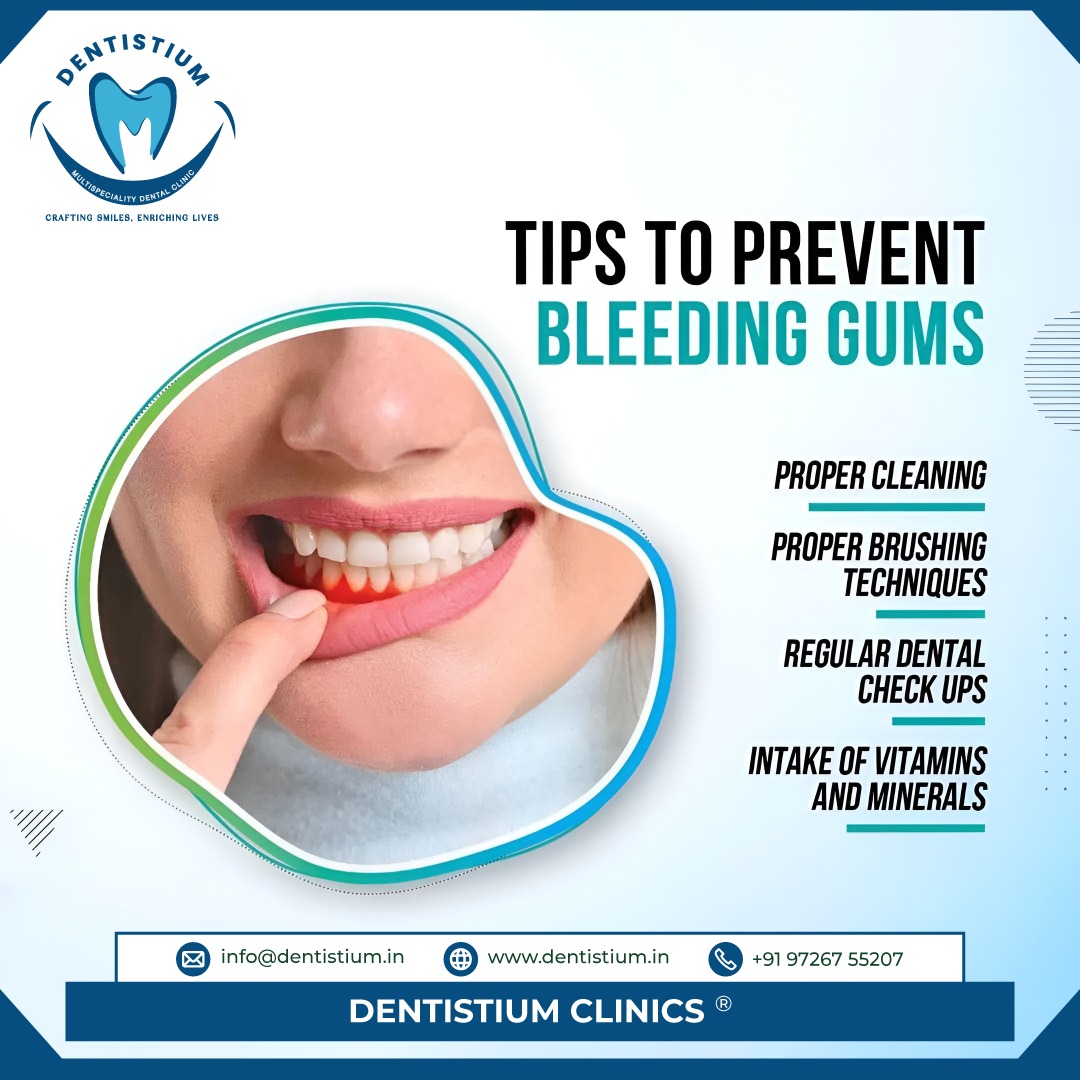
Healthy Gums, Healthy Smile – Tips to Prevent Bleeding Gums

Tips to Prevent Bleeding Gums and Maintain Healthy Oral Hygiene

Bleeding gums are one of the most common signs that your gums may not be healthy. Many people notice slight bleeding while brushing or flossing and often ignore it, thinking it is normal. However, healthy gums should not bleed regularly. Bleeding gums can be an early warning sign of gum disease, poor oral hygiene, vitamin deficiencies, or incorrect brushing techniques.

Taking proper care of your gums is essential because healthy gums are the foundation of strong teeth and a confident smile. With a few simple habits and regular dental care, you can prevent gum problems and maintain excellent oral health.

What Causes Bleeding Gums?

There are several reasons why gums may bleed, including:

  • Poor oral hygiene leading to plaque buildup

  • Gingivitis or early gum disease

  • Brushing too hard

  • Lack of flossing

  • Vitamin C or Vitamin K deficiency

  • Smoking or tobacco use

  • Hormonal changes

  • Certain medical conditions

If bleeding continues for a long time, it is important to consult a dental professional for proper evaluation and treatment.

Tips to Prevent Bleeding Gums

1. Practice Proper Oral Hygiene

Brush your teeth at least twice a day using a soft-bristled toothbrush and fluoride toothpaste. Proper cleaning helps remove plaque and bacteria that cause gum irritation.

2. Use Correct Brushing Techniques

Avoid aggressive brushing, as it can damage gum tissues. Use gentle circular motions while brushing to clean your teeth effectively without harming your gums.

3. Floss Daily

Flossing removes food particles and plaque from areas where a toothbrush cannot reach. Daily flossing helps reduce gum inflammation and prevents bleeding.

4. Visit Your Dentist Regularly

Regular dental check-ups and professional cleanings help detect gum problems early and keep your gums healthy. Preventive care is the best way to avoid serious dental issues.

5. Maintain a Healthy Diet

Include foods rich in vitamins and minerals, especially Vitamin C and calcium, to strengthen gums and teeth. Drinking plenty of water also supports good oral health.

6. Avoid Tobacco Products

Smoking and tobacco use can weaken gums, increase plaque buildup, and slow down healing. Quitting tobacco significantly improves gum health.

When Should You Visit a Dentist?

You should visit a dentist if you experience:

  • Persistent bleeding gums

  • Swollen or red gums

  • Bad breath

  • Pain while chewing

  • Loose teeth

Ignoring these symptoms may lead to advanced gum disease and tooth loss.

Conclusion

Bleeding gums should never be ignored. Early prevention and proper dental care can help maintain strong gums and a healthy smile for years to come. Following good oral hygiene habits, eating a nutritious diet, and scheduling regular dental check-ups are the keys to preventing gum disease.

At DENTISTIUM CLINICS, we are committed to providing advanced and compassionate dental care to help you achieve optimal oral health.

Crafting Smiles, Enriching Lives..
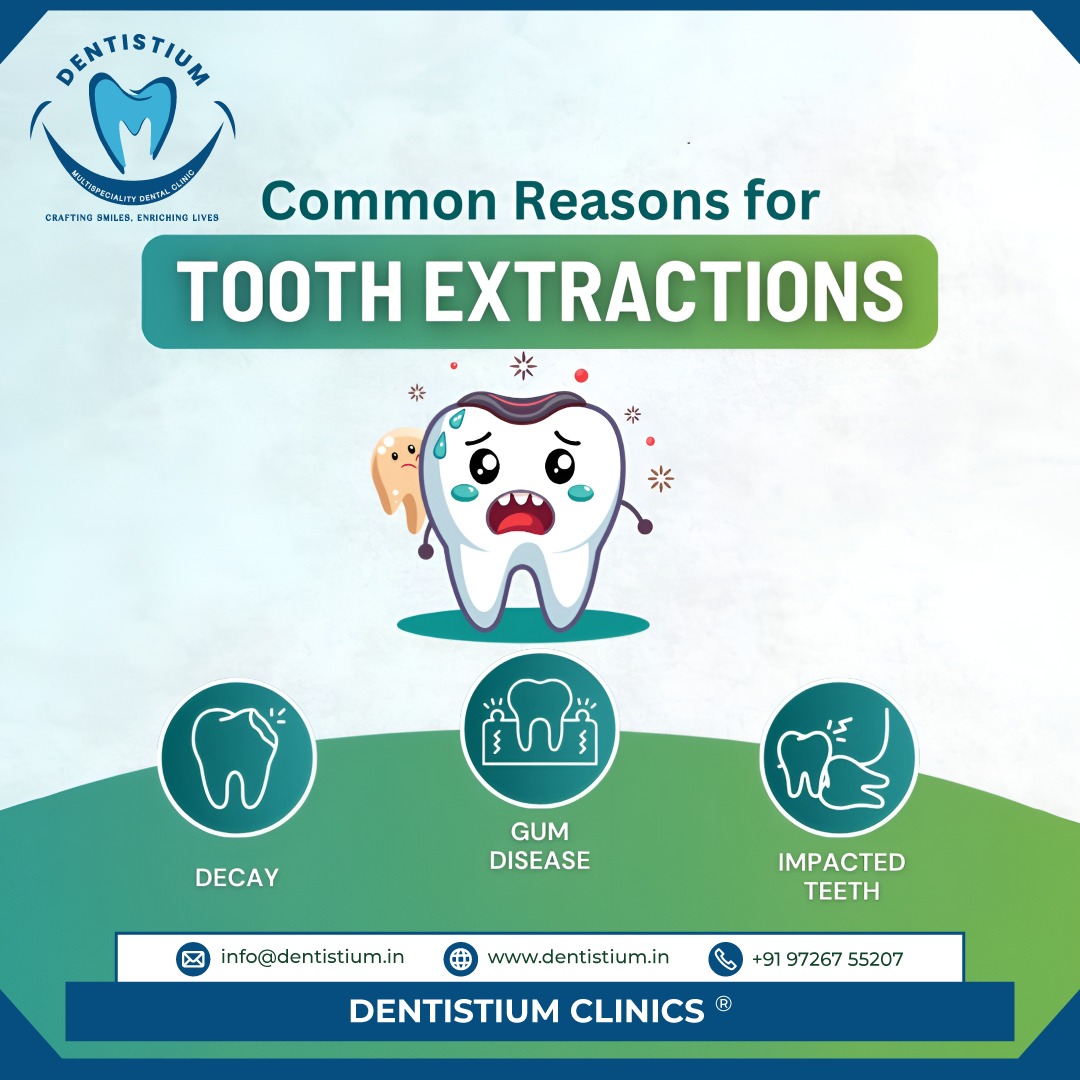
Common Reasons for Tooth Extraction

Common Reasons for Tooth Extraction 🦷

Tooth extraction is sometimes necessary to protect your oral health and prevent further complications. Severe tooth decay, gum disease, impacted wisdom teeth, or overcrowding can all lead to the need for removal. While preserving natural teeth is always the priority, extractions can help relieve pain, stop infections, and improve overall dental health. At Dentistiium Clinics, we provide safe and comfortable tooth extraction treatments with expert care for a healthier, brighter smile. ✨

#ToothExtraction #DentalCare #HealthySmile #OralHealth #DentistiiumClinics #DentalHealth #SmileCare

5 Simple Tips to Keep Your Teeth Healthy Every Day

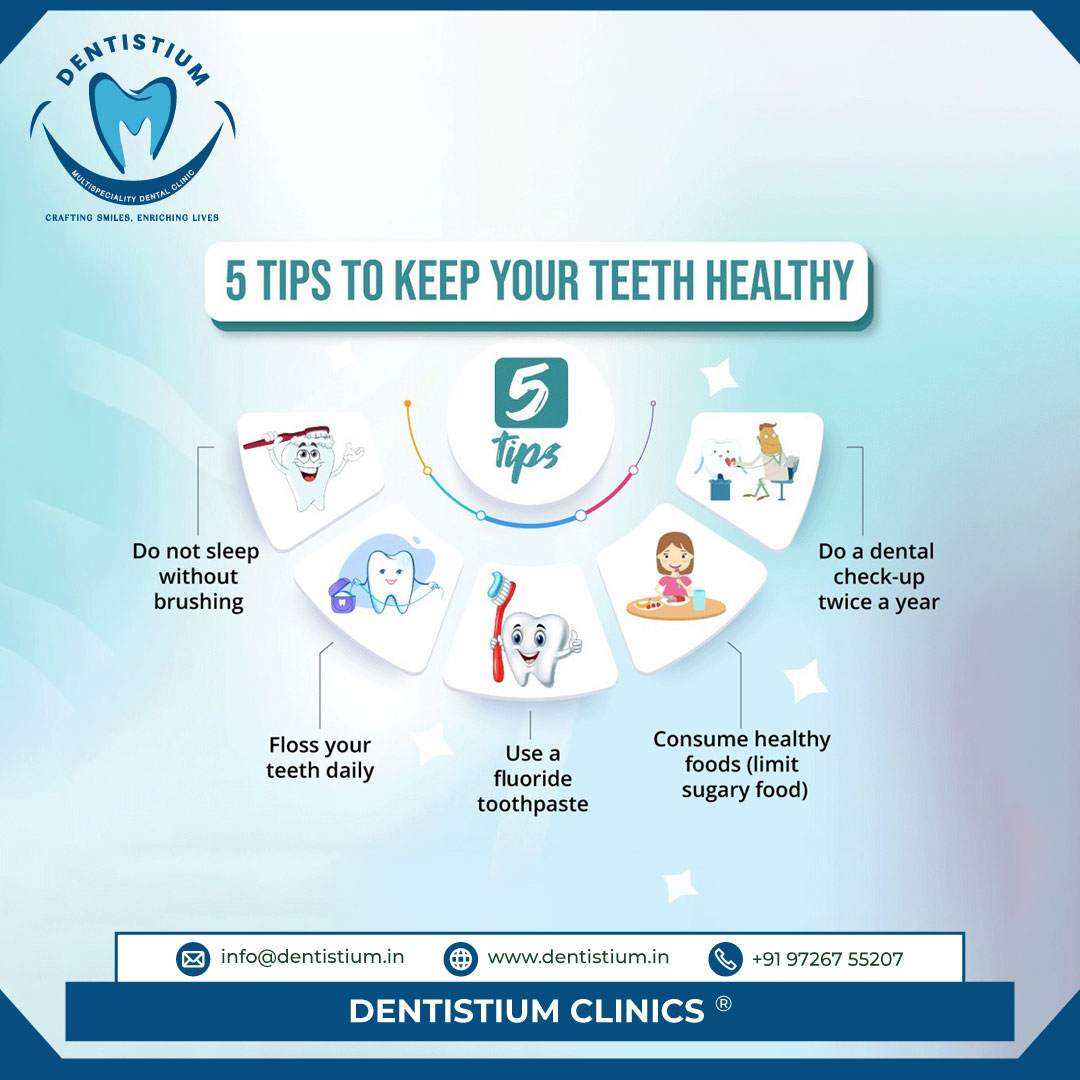
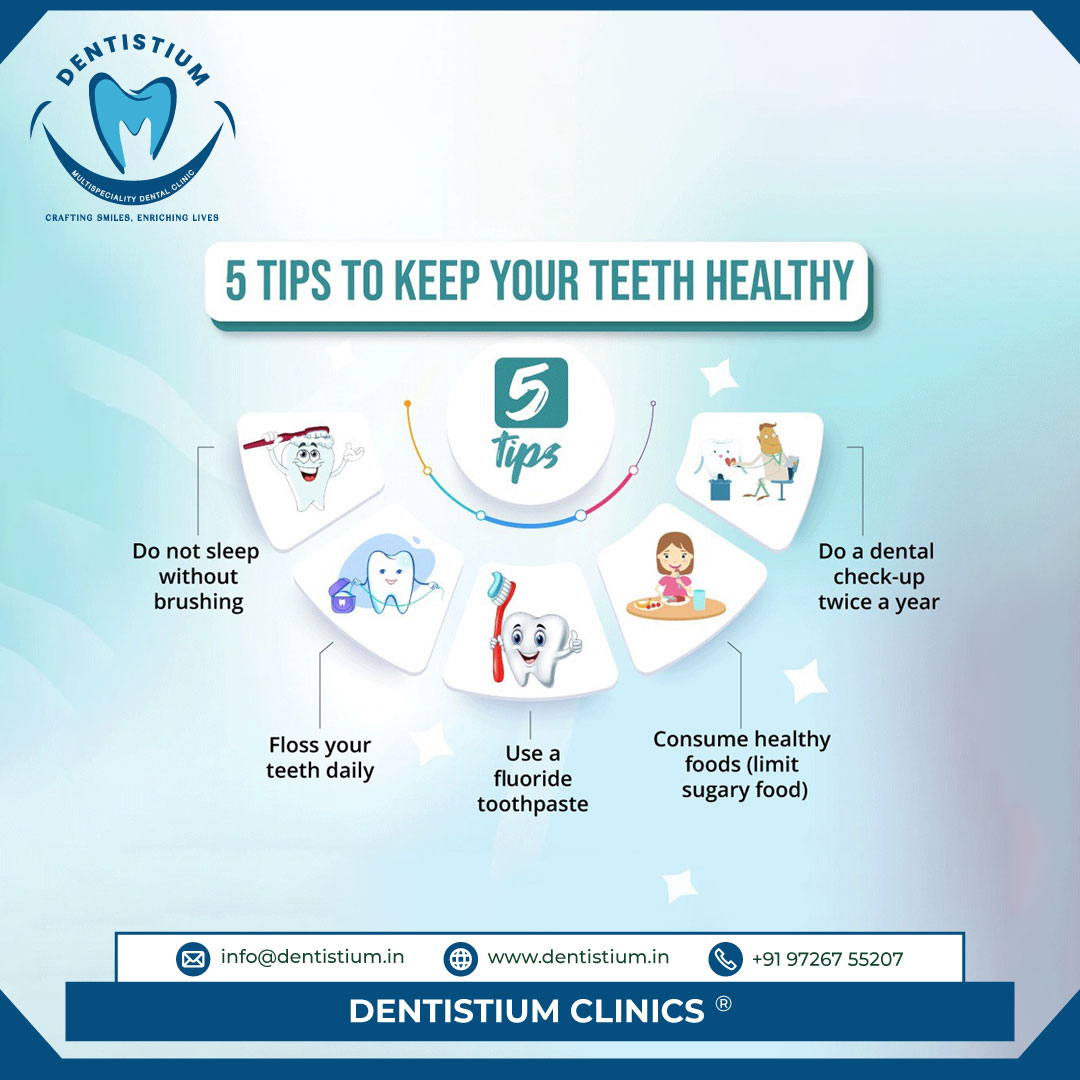
A healthy smile starts with simple daily habits! Taking care of your teeth doesn’t require complicated routines—just consistency and the right practices. From brushing before bed to choosing the right toothpaste and maintaining a balanced diet, small steps can make a big difference in your oral health.

Regular dental check-ups help detect problems early, while daily flossing removes hidden plaque that brushing alone can’t reach. By following these easy tips, you can prevent cavities, gum disease, and maintain a confident, bright smile.

Start today—because your smile deserves the best care! 😁

Maintaining good oral hygiene is essential not only for a beautiful smile but also for overall health. Poor dental care can lead to cavities, gum disease, and even impact your general well-being. The good news? Keeping your teeth healthy is simple if you follow the right habits consistently.

1. Don’t Sleep Without Brushing
Brushing your teeth before bed is crucial. During the day, plaque and bacteria build up, and if not removed, they can cause tooth decay and bad breath.

2. Floss Your Teeth Daily
Flossing removes food particles and plaque from between your teeth where your toothbrush cannot reach. It helps prevent gum disease and cavities.

3. Use Fluoride Toothpaste
Fluoride strengthens tooth enamel and protects against cavities. Always choose a toothpaste that contains fluoride for better protection.

4. Eat Healthy & Limit Sugary Foods
Sugary foods and drinks are the main cause of tooth decay. Opt for a balanced diet with fruits, vegetables, and calcium-rich foods to keep your teeth strong.

5. Visit Your Dentist Regularly
Routine dental check-ups (at least twice a year) help detect problems early and keep your oral health in top condition.

Conclusion:
Healthy teeth are a result of daily care and smart choices. Follow these simple tips, and you’ll enjoy a bright, confident smile for years to come.

How to Take Care of Your Braces for a Healthy Smile

Braces are a big step towards achieving a perfectly aligned and confident smile—but proper care is essential to get the best results. Maintaining good oral hygiene while wearing braces can prevent plaque buildup, tooth decay, and gum problems.

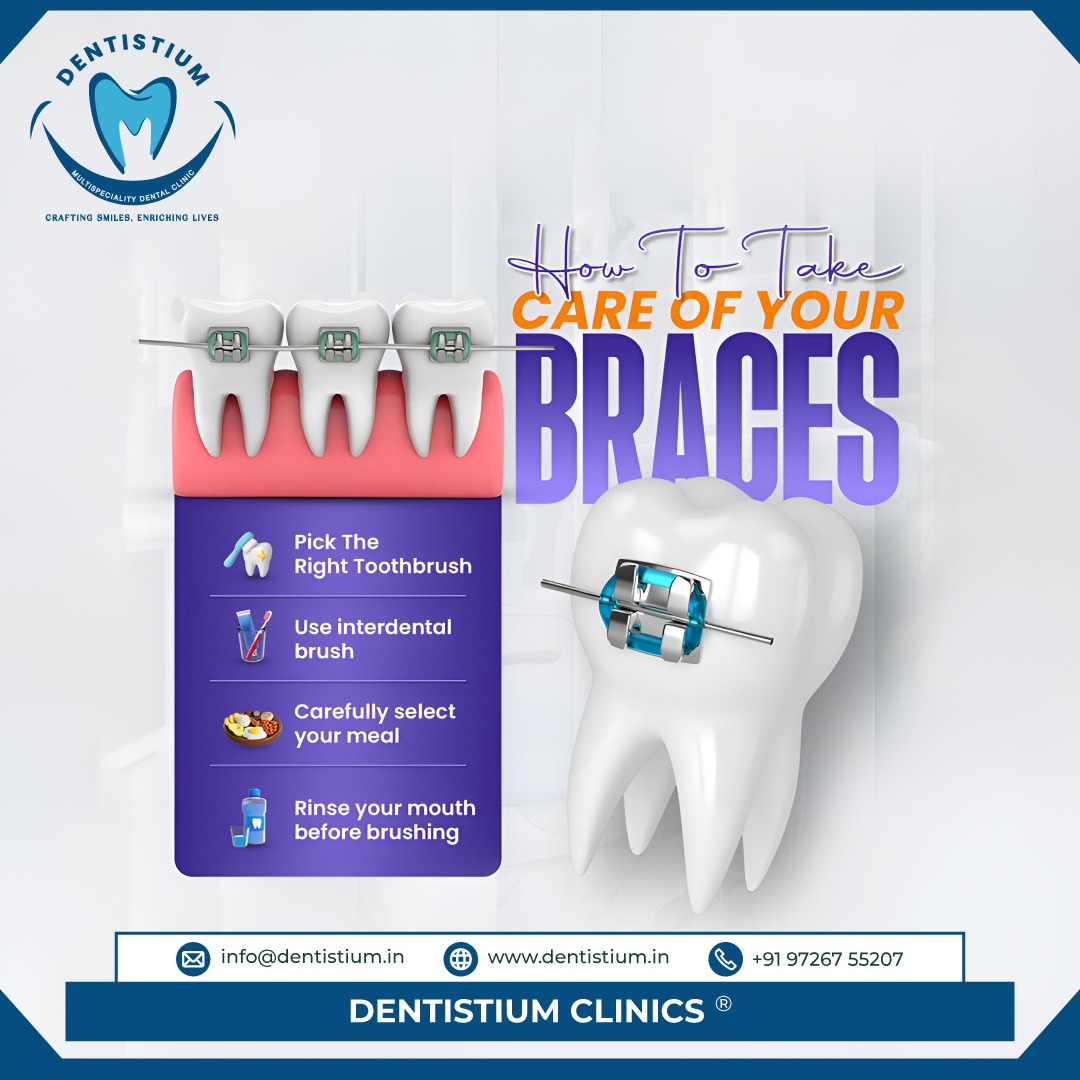
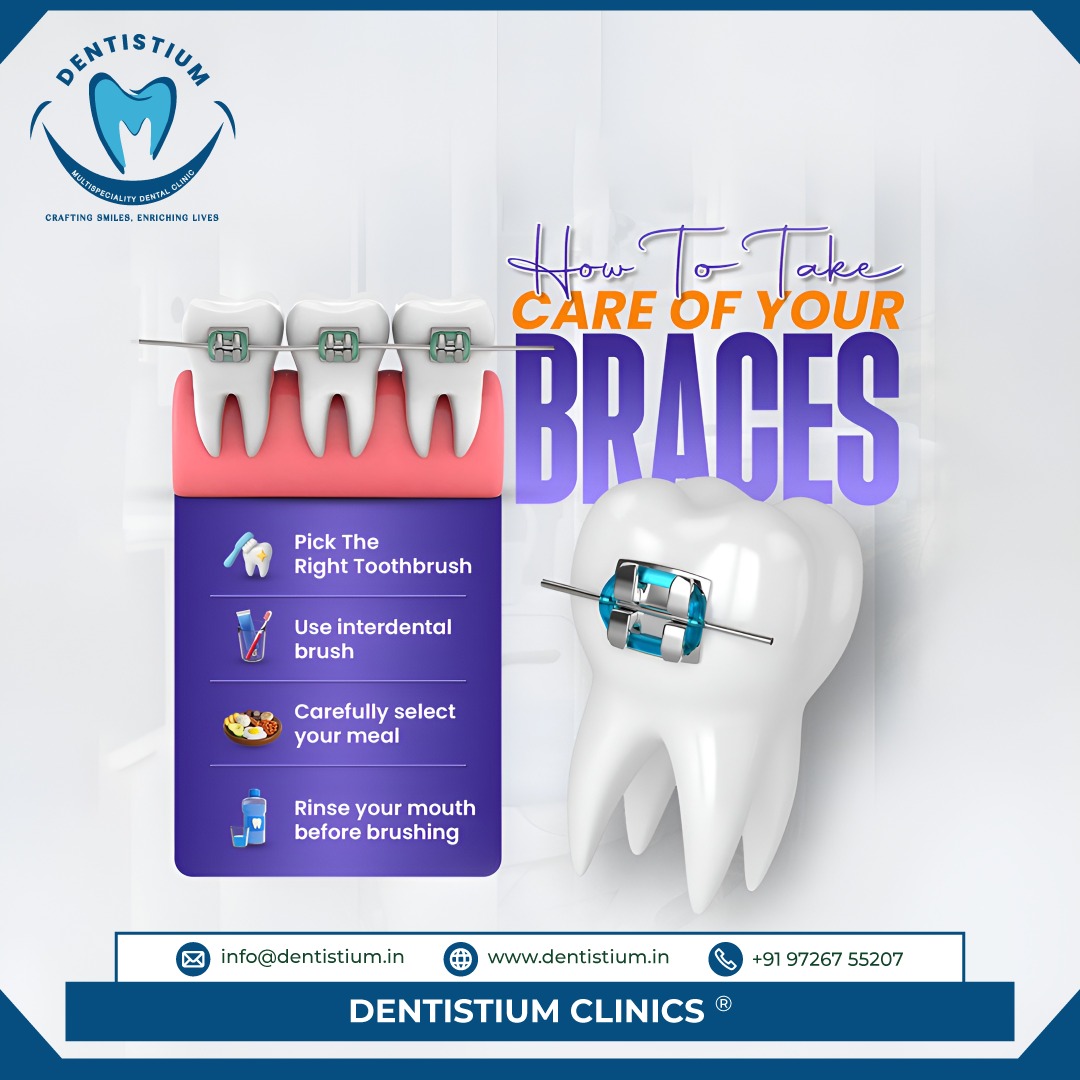
Start by choosing the right toothbrush—preferably a soft-bristled or orthodontic brush designed to clean around brackets and wires. Using an interdental brush helps remove food particles stuck between braces where regular brushing cannot reach.

Your diet also plays a crucial role. Avoid sticky, hard, or sugary foods that can damage brackets or cause cavities. Always rinse your mouth before brushing to loosen trapped debris, making cleaning more effective.

With consistent care and the right habits, your braces journey can be smooth, comfortable, and successful—leading you to a beautiful, confident smile!

Complete Guide to Braces Care: Keep Your Smile on Track

Braces are one of the most effective orthodontic treatments to correct misaligned teeth and improve oral health. However, they require extra care and attention compared to regular dental hygiene routines.

1. Choose the Right Toothbrush
Use a soft-bristled toothbrush or an orthodontic toothbrush that can clean around brackets and wires effectively. Electric toothbrushes can also be helpful for thorough cleaning.

2. Use Interdental Brushes
These small brushes are specially designed to clean between brackets and wires. They help remove food particles and plaque from hard-to-reach areas.

3. Be Careful with Your Diet
Avoid foods like chewing gum, caramel, popcorn, and hard candies. These can damage your braces or get stuck, increasing the risk of cavities.

4. Rinse Before Brushing
Rinse your mouth with water or mouthwash before brushing to loosen food debris. This makes brushing more effective and reduces plaque buildup.

5. Maintain Regular Dental Visits
Routine check-ups ensure your braces are working properly and your oral health stays on track.

Taking care of your braces not only protects your teeth but also ensures faster and better results from your treatment.

Select your currency
INR Indian rupee
Add to cart